India Envoy Meets Israel's Herzog, Boosts Strategic Partnership
Synopsis
India's Ambassador J P Singh met Israeli President Isaac Herzog at Israel's 78th Independence Day celebrations, reaffirming the India-Israel Special Strategic Partnership. With EAM Jaishankar and FM Sa'ar also discussing Iran's nuclear threat and Strait of Hormuz security, New Delhi is sending a clear signal: its strategic bond with Tel Aviv remains strong despite regional turbulence.
Key Takeaways
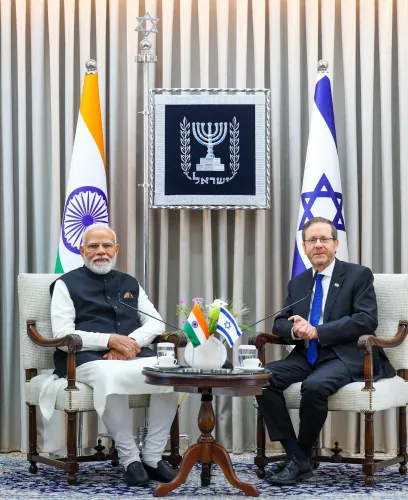
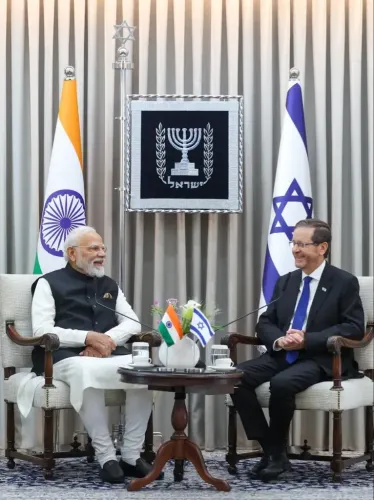
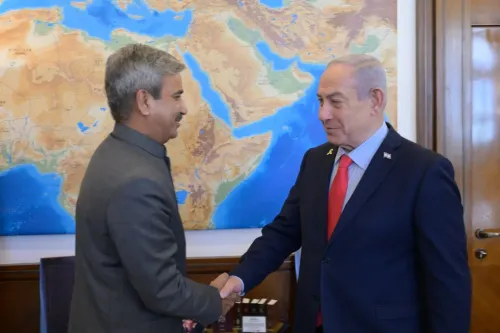
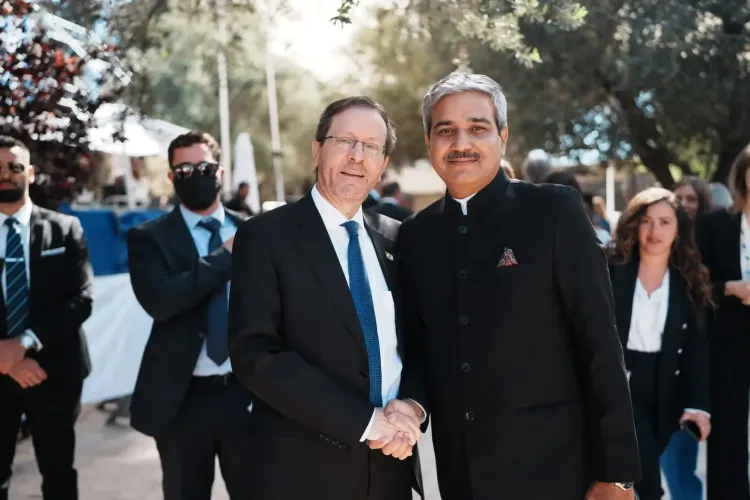
India's Ambassador J P Singh met Israeli President Isaac Herzog at Israel's 78th Independence Day celebrations in Jerusalem on April 23 , reaffirming the India-Israel Special Strategic Partnership .
President Droupadi Murmu personally extended Independence Day wishes to President Herzog , who responded by pledging to strengthen Israel-India cooperation across all sectors.
EAM S Jaishankar held a telephonic call with Israeli FM Gideon Sa'ar on April 14 , covering Iran's nuclear negotiations , the Strait of Hormuz , and the broader West Asia situation.
FM Sa'ar warned that Iran's actions in the Strait of Hormuz constitute economic terrorism threatening global oil supply, directly impacting India and Gulf nations .
The Strait of Hormuz carries nearly one-fifth of global oil shipments , making its security a top economic priority for New Delhi .
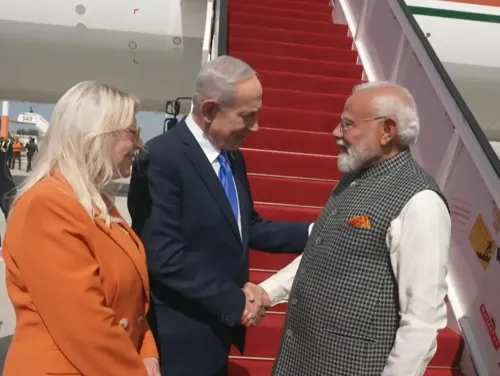
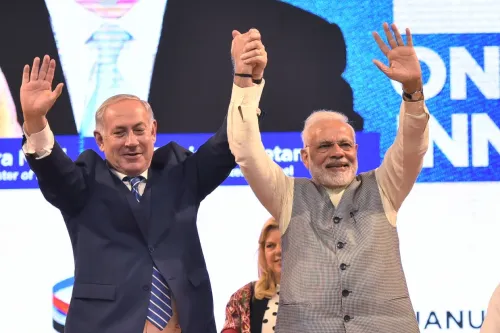
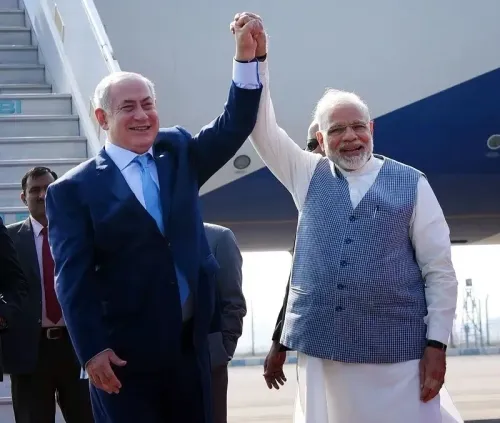
The India-Israel Special Strategic Partnership was first established in 2017 during PM Modi's landmark visit to Israel , and has since expanded across defence, technology, and trade.
Jerusalem, April 23: India's Ambassador to Israel, J P Singh, met Israeli President Isaac Herzog on the sidelines of a celebration marking Israel's 78th Independence Day, formally reaffirming New Delhi's unwavering commitment to deepening the India-Israel Special Strategic Partnership. The high-profile diplomatic interaction underscores the growing warmth between the two nations at a time of heightened geopolitical tensions across West Asia.
Ambassador's Meeting with President Herzog
During the Independence Day event, Ambassador J P Singh conveyed the warmest greetings of India's leadership and people to President Herzog, signalling the depth of bilateral goodwill. The Embassy of India in Israel confirmed the meeting via an official post on X (formerly Twitter), stating that the Ambassador reaffirmed India's dedication to further strengthening the India-Israel Special Strategic Partnership.
This face-to-face diplomatic engagement, though brief, carries symbolic weight — it places India among the nations actively engaging Israel at the presidential level even as many countries have distanced themselves amid the ongoing conflict in Gaza.
President Murmu's Wishes and Herzog's Response
A day earlier, on Wednesday, Indian President Droupadi Murmu extended heartfelt wishes to President Herzog on the occasion of Israel's 78th Independence Day. In her message, she emphasized that the India-Israel Special Strategic Partnership continues to grow stronger, reflecting the deep friendship and shared commitment of both nations to peace, innovation, and mutual prosperity.
President Herzog responded warmly, expressing that Israel deeply values its special friendship with India and reaffirmed readiness to strengthen cooperation across all sectors. His response, posted on X, was seen as a reciprocal diplomatic signal reinforcing the bilateral bond.
EAM Jaishankar-Sa'ar Call: Iran, Hormuz, and West Asia
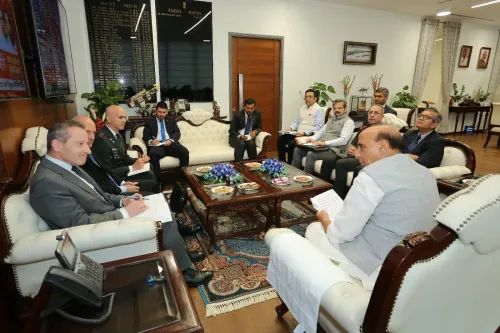
The diplomatic activity between the two countries extends beyond ceremonial exchanges. On April 14, External Affairs Minister (EAM) S Jaishankar held a telephonic conversation with his Israeli counterpart, Foreign Minister Gideon Sa'ar, covering critical geopolitical issues including the West Asia situation and the Strait of Hormuz.
FM Sa'ar stressed that the firm American stance in ongoing negotiations — aimed at preventing Iran from acquiring nuclear weapons, including conditions such as no uranium enrichment within Iran and removal of enriched material — is critical for the entire international community.
Sa'ar also raised concerns about Iran's alleged disruption of freedom of navigation through the Strait of Hormuz, describing it as economic terrorism that directly impacts countries like India and Gulf nations. The Strait of Hormuz — linking the Persian Gulf to the Gulf of Oman and the Arabian Sea — is one of the world's most critical oil transit chokepoints, carrying nearly one-fifth of global oil shipments.
Strategic Significance: Why This Matters for India
The timing of these diplomatic engagements is far from coincidental. India imports a significant share of its crude oil from the Gulf region, making the security of the Strait of Hormuz a matter of direct economic concern for New Delhi. Any disruption to navigation in the strait could spike global oil prices, directly hitting Indian consumers and the broader economy.
Notably, the India-Israel Special Strategic Partnership was elevated to this status in 2017 during Prime Minister Narendra Modi's landmark visit to Israel — the first ever by an Indian Prime Minister. Since then, bilateral cooperation has expanded across defence, cybersecurity, agriculture, water technology, and space research.
Critics of India's balancing act in West Asia point out the inherent tension: New Delhi maintains close ties with both Israel and Arab nations, as well as with Iran, which is a key partner in the Chabahar Port project. Managing these relationships simultaneously — especially as the US-Iran nuclear negotiations remain deadlocked — will require considerable diplomatic finesse from New Delhi.
Broader Diplomatic Context
The India-Israel relationship has deepened steadily despite India's traditional support for the Palestinian cause at multilateral forums. India has voted in favour of certain UN resolutions calling for a ceasefire in Gaza, yet continues to maintain robust bilateral ties with Tel Aviv — a dual-track foreign policy that reflects India's strategic autonomy doctrine.
The talks between EAM Jaishankar and FM Sa'ar also came amid a tense backdrop: the first round of US-Iran nuclear negotiations failed to produce a breakthrough agreement, raising fears of further regional destabilisation. Lebanon was also discussed during the call, indicating the breadth of shared security concerns between India and Israel.
As West Asia continues to simmer, India's diplomatic outreach to Israel — from presidential greetings to ambassadorial meetings to ministerial phone calls — signals that New Delhi intends to remain an active, engaged partner in the region's evolving security architecture. Further high-level interactions between the two nations are expected in the coming months as both sides look to advance cooperation in defence technology and trade.
Point of View
High-frequency signalling strategy that goes well beyond protocol. New Delhi is effectively telling the world it will not let the Gaza conflict define or derail a partnership built on defence, technology, and shared security interests. What the mainstream narrative misses is the economic subtext: with the Strait of Hormuz under Iranian pressure and India's oil import bill directly at stake, these diplomatic exchanges are as much about energy security as they are about geopolitics. India's balancing act — supporting Palestinian rights at the UN while deepening ties with Tel Aviv — is not contradiction; it is calculated strategic autonomy in action.
NationPress
20 Sept 2026
Frequently Asked Questions
Why did India's Ambassador meet Israeli President Isaac Herzog?
India's Ambassador to Israel, J P Singh, met President Isaac Herzog on the sidelines of Israel's 78th Independence Day celebrations to reaffirm New Delhi's commitment to the India-Israel Special Strategic Partnership. The meeting was a formal diplomatic gesture conveying greetings from India's leadership.
What is the India-Israel Special Strategic Partnership?
The India-Israel Special Strategic Partnership was established in 2017 during Prime Minister Narendra Modi's historic visit to Israel — the first by an Indian Prime Minister. It covers cooperation in defence, cybersecurity, agriculture, water technology, space, and trade.
What did EAM Jaishankar and Israeli FM Sa'ar discuss?
On April 14, EAM S Jaishankar and Israeli Foreign Minister Gideon Sa'ar discussed the West Asia situation, Iran's nuclear negotiations, the Strait of Hormuz, and Lebanon. Sa'ar emphasized that Iran must not be allowed to enrich uranium and called for protecting freedom of navigation in the Strait of Hormuz.
Why is the Strait of Hormuz important for India?
The Strait of Hormuz carries nearly one-fifth of global oil shipments and is a critical transit route for India's crude oil imports from the Gulf region. Any disruption to navigation there could sharply raise global oil prices and directly impact India's energy costs and economy.
What did President Droupadi Murmu say about India-Israel ties?
President Murmu extended warm wishes to President Herzog on Israel's 78th Independence Day, stating that the India-Israel Special Strategic Partnership continues to grow stronger, reflecting deep friendship and shared commitment to peace, innovation, and mutual prosperity. Herzog responded by affirming Israel's readiness to deepen cooperation with India.