India flags growing attacks on minorities in Bangladesh
Synopsis
India’s MEA on 25 November pressed Dhaka to investigate violence against minorities as an HRCBM tally put 1,445 incidents — including 286 murders and unexplained deaths — across all 64 Bangladeshi districts in the first 10 months of 2026. New Delhi says the pattern has outlasted the Yunus interim setup and continued under the BNP.
Key Takeaways
MEA spokesperson Randhir Jaiswal on 25 November in New Delhi raised concern over violence against minorities in Bangladesh and urged a thorough probe.
The HRCBM report ‘The Persecution Continues’ documented 1,445 incidents across all 64 districts between 1 January and 31 October 2026 .
The tally includes 286 reported murders and unexplained deaths, 408 attacks on homes and property, and 251 attacks on temples and religious sites.
The report logged 30 blasphemy-related incidents across 14 districts , plus abductions, assaults and sexual violence.
Former Bangladesh Prime Minister Sheikh Hasina said many minority families no longer feel secure.
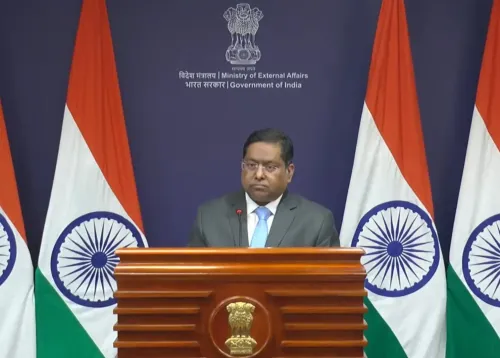
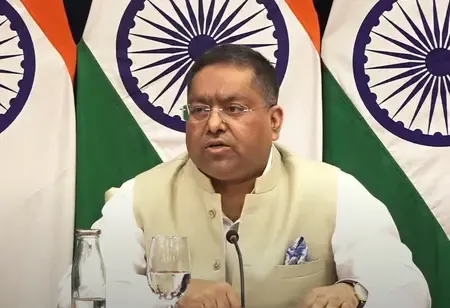
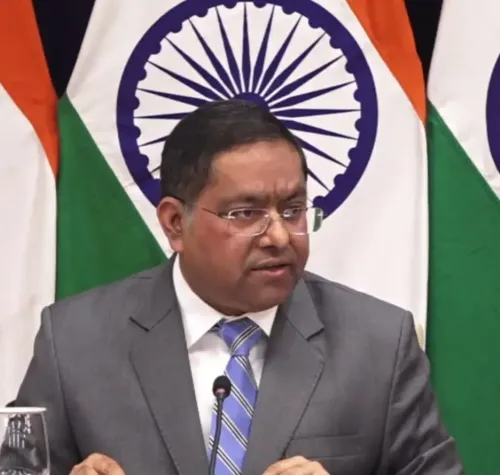
India on Wednesday raised serious concern over growing attacks on minority communities in Bangladesh and urged Dhaka to investigate the incidents thoroughly and bring those responsible to justice. Speaking at a bi-weekly media briefing in New Delhi on 25 November, Ministry of External Affairs (MEA) spokesperson Randhir Jaiswal said New Delhi was understandably concerned about violence against minorities and pressed the Bangladeshi government to act.
What the MEA told reporters
Jaiswal told reporters: “We understandably are concerned about the incidents of violence against minorities in Bangladesh. We urge the government of Bangladesh to thoroughly investigate these incidents and bring the perpetrators to justice.”
The remarks continue a line New Delhi has held for months. India had earlier voiced grave concern over violence against minorities in Bangladesh, while repeatedly calling on the authorities there to ensure the safety and security of Hindus and all minority communities in the country.
Attacks under Yunus and the BNP
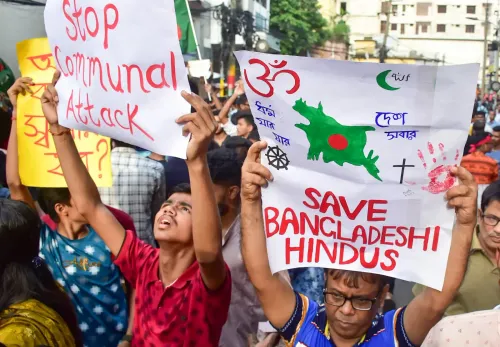
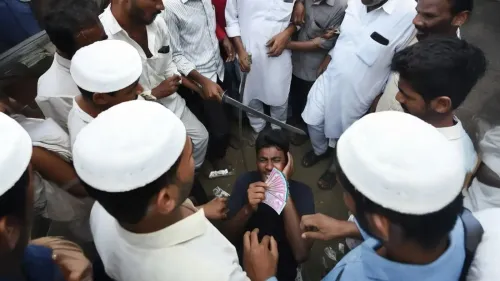
The pattern of atrocities against minority communities, particularly Hindus, is described as having begun during the former Muhammad Yunus-led interim government and persisted under the current Bangladesh Nationalist Party (BNP) administration. This comes amid continued reports of violence involving homes and places of worship, and of barriers that victims face when they try to seek justice.
New Delhi’s latest public intervention therefore treats the violence as an ongoing bilateral concern rather than a closed chapter after the change of government in Dhaka. India has, on previous occasions as well, asked Bangladeshi authorities to protect Hindus and other minorities.
HRCBM documents 1,445 incidents
In its latest report titled ‘The Persecution Continues’, the Human Rights Congress for Bangladesh Minorities (HRCBM) documented 1,445 incidents affecting minority communities across all 64 districts and eight administrative divisions of Bangladesh between 1 January and 31 October 2026.
As per the findings, the documented incidents include 286 reported murders and unexplained deaths, 408 attacks on homes, land and other property, 251 attacks on temples or other religious sites and incidents of religious vandalism, and 30 blasphemy-related incidents across 14 districts. The report also documented cases of missing persons, abductions, physical assaults and sexual violence.
“These figures are documented minimums. Fear of retaliation, stigma, and barriers to reporting and verification contribute to underreporting, particularly of sexual violence,” the HRCBM stated.
The report examined how disputed allegations of religious insult can lead to arrests and retaliation against families and communities, how land grabbing and intimidation can pressure families to leave their homes, and how delays in registering complaints, inadequate investigations, and threats against victims and witnesses can obstruct access to justice.
Highlighting that the continuing pattern of violence raised serious concerns about long-standing failures by the authorities to ensure protection of minorities, the HRCBM said: “Delays in registering complaints, inadequate investigations, intimidation of victims and their families, and weak prosecutions impede access to justice and sustain a climate of impunity.”
The HRCBM called on the authorities to ensure equal protection under the law, impartial investigations and effective remedies, while seeking the direct participation of affected communities in transitional justice. It also stressed that the documented patterns warrant independent examination as possible “crimes against humanity”.
Hasina’s warning on minority safety
Earlier this month, former Bangladesh Prime Minister Sheikh Hasina expressed serious concerns over relentless attacks targeting religious minorities in Bangladesh, including incidents of violence involving their homes and places of worship. In a rare audio interview, Hasina said the situation had heightened fear among minority communities, with many families no longer feeling safe in the country.
“I am deeply concerned about what is happening to religious minorities in Bangladesh. Hindus, Buddhists, Christians, and people of every faith are equal citizens of our country. They have the same right to live safely, practice their religion, and protect their families and property. Unfortunately, we continue to hear about attacks on minority communities, their homes, and places of worship. Many families no longer feel secure,” she stated.
Why the MEA intervention matters
India and Bangladesh share a long land border and close people-to-people links. Violence against minorities in Bangladesh has previously featured in official Indian statements, with New Delhi repeatedly asking Dhaka to protect Hindus and all minority communities. The latest MEA remarks restate that demand for investigation and prosecution at a scheduled briefing.
The next steps rest with Bangladeshi authorities, whom the HRCBM has asked to ensure equal protection, impartial probes and effective remedies. Whether complaints are registered promptly, witnesses are protected, and identified perpetrators are prosecuted will decide if the public demand from New Delhi is matched by action on the ground.
Point of View
Plus a demand for investigation, not a threat. That restraint sits uneasily beside 1,445 documented incidents spanning every district of Bangladesh in ten months. If New Delhi is signalling that minority safety is now a standing bilateral issue, the test is whether Dhaka treats it as such or as a periodic talking point. Impunity, not isolated riots, is the structural problem the HRCBM data describes — and a justice demand without a follow-up mechanism will be read in Dhaka as theatre.
NationPress
25 Nov 2026
Frequently Asked Questions
What did India say about attacks on minorities in Bangladesh?
India on 25 November raised serious concern over violence against minorities in Bangladesh and urged Dhaka to investigate the incidents thoroughly and bring the perpetrators to justice. MEA spokesperson Randhir Jaiswal made the remarks at a bi-weekly media briefing in New Delhi.
How many minority-related incidents did the HRCBM document in 2026?
The HRCBM documented 1,445 incidents affecting minority communities across all 64 districts of Bangladesh between 1 January and 31 October 2026. The tally includes 286 reported murders and unexplained deaths, 408 attacks on homes and property, and 251 attacks on temples and religious sites.
Why does India raising this issue matter?
Minority safety in Bangladesh is a recurring bilateral flashpoint because of the shared border, people-to-people ties, and political pressure inside India. By putting a probe-and-prosecute demand on the record at a scheduled MEA briefing, New Delhi has restated that the issue remains an active diplomatic concern.
What did Sheikh Hasina say about minorities in Bangladesh?
Former Bangladesh Prime Minister Sheikh Hasina said she was deeply concerned about attacks on religious minorities, including Hindus, Buddhists and Christians, and that many families no longer feel secure. She stressed that people of every faith are equal citizens with the same right to live safely and protect their families and property.
What has the HRCBM asked the Bangladeshi authorities to do?
The HRCBM has called for equal protection under the law, impartial investigations, effective remedies, and the direct participation of affected communities in transitional justice. It also said the documented patterns warrant independent examination as possible crimes against humanity.