Quad Sherpas meet in New Delhi, chart action plan on maritime security and tech
Synopsis
India's Quad Sherpa meeting on 3 September wasn't a routine check-in — it was a mandate-setting session. With the US explicitly framing the agenda around 'concrete deliverables' tied to Trump and Rubio's vision, the Quad is shifting from consensus-building to outcome accountability, with maritime security and emerging technologies as the primary pressure points.
Key Takeaways
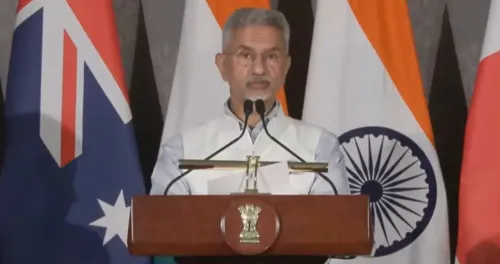
Foreign Secretary Vikram Misri hosted the Quad Sherpas' Meeting in New Delhi on 3 September .
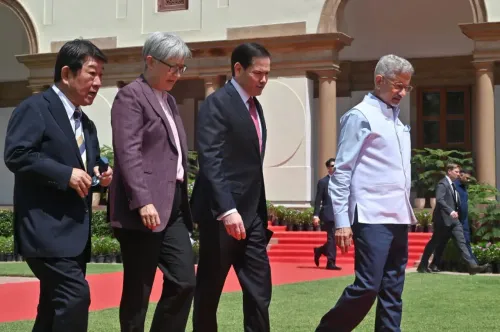
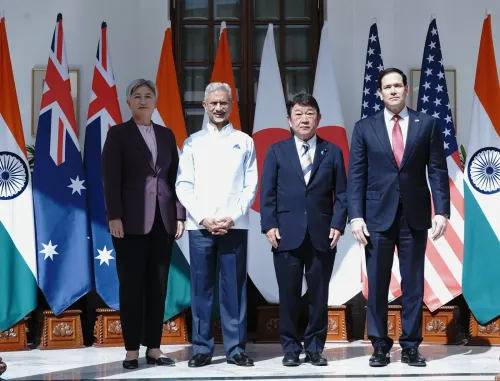
Officials from India , Japan , Australia , and the US reviewed progress on maritime security , economic prosperity , critical and emerging technologies , and HADR .
The Sherpas discussed potential new initiatives for the upcoming Quad Foreign Ministers' Meeting .
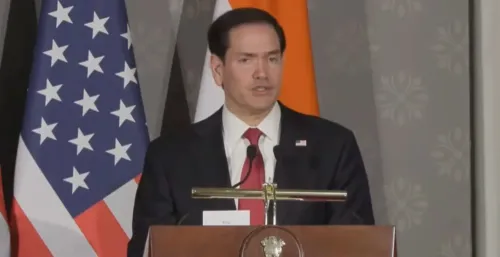
US Ambassador Sergio Gor described the session as setting an 'action plan for concrete deliverables' aligned with President Trump and Secretary Rubio 's Quad priorities.
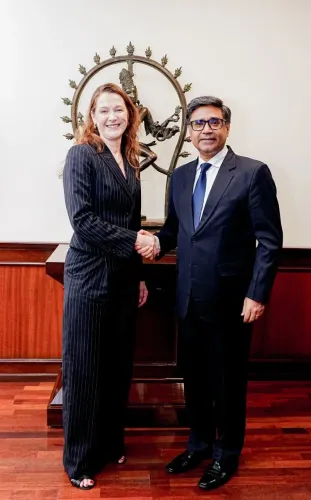
Bilateral meetings were held on the sidelines between Misri and Australia's Eleanor Jane Lawson , and between Misri and Japan's Hiroyuki Namazu .
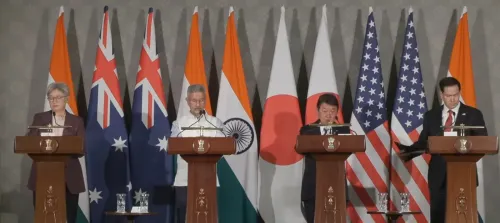
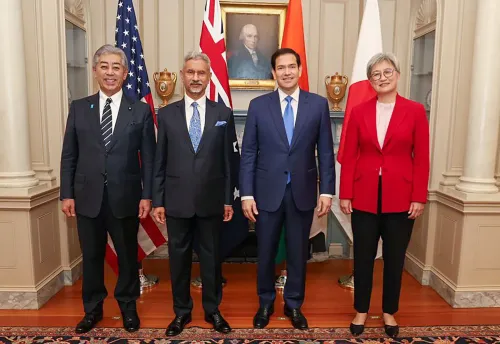
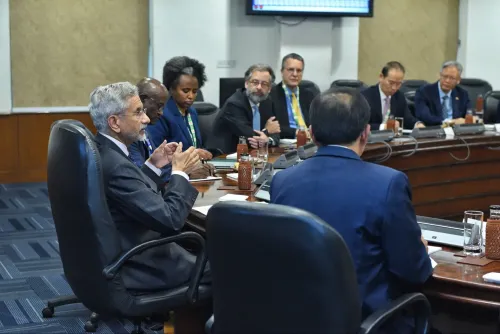
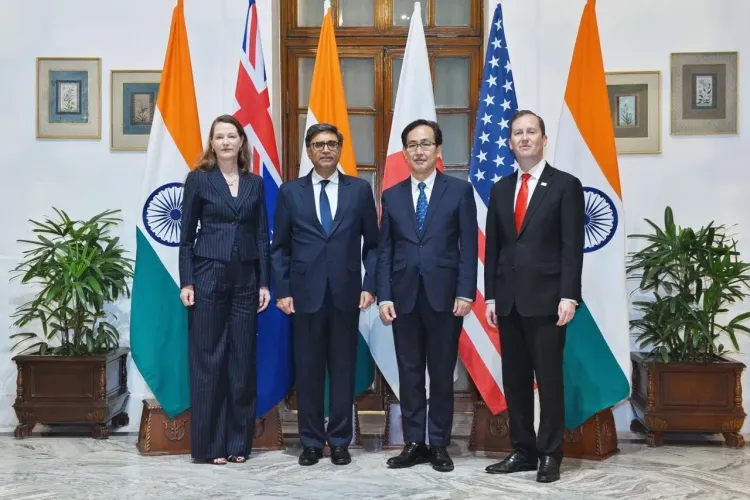
Foreign Secretary Vikram Misri hosted the Quad Sherpas' Meeting in New Delhi on 3 September, bringing together senior officials from India, Japan, Australia, and the United States to review progress across the grouping's core agenda pillars. The meeting covered maritime security, economic prosperity, critical and emerging technologies, and Humanitarian Assistance and Disaster Relief (HADR).
Key Developments
The Sherpas welcomed what the Ministry of External Affairs (MEA) described as 'strong momentum in Quad interactions and practical activities.' They also discussed potential new initiatives for announcement at the next Quad Foreign Ministers' Meeting, signalling that the grouping is preparing a fresh set of deliverables ahead of a higher-level conclave.
Participating alongside Misri were Hiroyuki Namazu, Senior Deputy Minister for Foreign Affairs of Japan; Eleanor Jane Lawson, Deputy Secretary of the Strategic Planning and Coordination Group at Australia's Department of Foreign Affairs and Trade (DFAT); and Sergio Gor, US Ambassador to India.
What the US Said
Ambassador Gor, posting on social media platform X after the meeting, described the session as an effort to 'set an action plan for concrete deliverables,' framing it explicitly as an advance on US President Donald Trump and Secretary Marco Rubio's commitment to a 'strong, results-oriented Quad.' Gor added that he was 'proud to take up the mantle of Quad Sherpa and to help turn that vision into action.'
Bilateral Meetings on the Sidelines
Ahead of the Sherpas' session, Foreign Secretary Misri held a separate bilateral meeting with Deputy Secretary Lawson, during which they discussed matters of bilateral interest and regional and global issues of mutual concern, according to the MEA. Misri also met Namazu separately to discuss issues of shared bilateral and regional interest with Japan.
Why This Meeting Matters
Sherpa-level meetings are the engine room of multilateral groupings — they translate leader-level intent into workable frameworks before foreign ministers or heads of government convene. The fact that all four Quad members sent senior officials and that bilateral meetings were held on the sidelines points to active diplomatic traffic within the grouping. This comes amid a broader recalibration of Indo-Pacific security architecture, with maritime domain awareness and technology supply chains emerging as the most contested terrain. Notably, the explicit reference to 'concrete deliverables' and the Trump administration's framing of a 'results-oriented Quad' suggests Washington is pushing for measurable outcomes rather than declaratory statements.
Point of View
They are pressure signals. The Trump administration's framing suggests Washington wants the Quad to produce measurable outcomes, not just annual declarations. For India, that creates both an opportunity and a bind: New Delhi values the Quad's strategic weight but has historically resisted binding commitments that could constrain its strategic autonomy. The real test of this meeting's significance will be what actually appears on the agenda at the next Foreign Ministers' Meeting.
NationPress
4 Sept 2026
Frequently Asked Questions
What is the Quad Sherpas' Meeting?
The Quad Sherpas' Meeting is a senior-official-level preparatory session held by India, Japan, Australia, and the United States ahead of higher-level Quad ministerial or leaders' summits. Sherpas set the agenda, negotiate language, and agree on deliverables that are then endorsed by foreign ministers or heads of government.
What was discussed at the 3 September New Delhi meeting?
Officials reviewed progress across four pillars: maritime security, economic prosperity, critical and emerging technologies, and Humanitarian Assistance and Disaster Relief (HADR). They also discussed potential new initiatives for announcement at the next Quad Foreign Ministers' Meeting.
Who represented each Quad country at the meeting?
India was represented by Foreign Secretary Vikram Misri, Japan by Senior Deputy Minister Hiroyuki Namazu, Australia by DFAT Deputy Secretary Eleanor Jane Lawson, and the United States by Ambassador to India Sergio Gor.
What did the US say about the Quad's direction?
US Ambassador Sergio Gor said the meeting was aimed at setting an 'action plan for concrete deliverables,' describing it as an advance on President Donald Trump and Secretary Marco Rubio's commitment to a 'strong, results-oriented Quad.'
Were any bilateral meetings held alongside the Quad session?
Yes. Foreign Secretary Misri met Australia's Eleanor Jane Lawson separately to discuss bilateral and regional issues, and also held a separate meeting with Japan's Hiroyuki Namazu on bilateral and regional matters of shared interest.