India, Iran eye cinema cooperation to boost cultural ties in Tehran
Synopsis
India and Iran are using cinema to deepen their ties. Ambassador Vishwesh Negi and Iran's cinema chief Raed Faridzadeh agreed in Tehran to focus on institutional exchanges, joint projects and training. The meeting follows a week of high-level cultural outreach centred on shared Persian heritage.
Key Takeaways
Indian Ambassador Vishwesh Negi met Iran's Deputy Culture Minister Dr Raed Faridzadeh in Tehran on 28 November 2026 .
The two sides named cinema as the focal area, covering institutional exchanges, joint projects and technical training.
On 21 November , Minister Gajendra Singh Shekhawat met Iran's Mohammad Mahdi Imanipour at the first SCO Civilisational Dialogue Forum in New Delhi.
Shekhawat expressed interest in cooperating with Iranian cultural institutions on manuscripts .
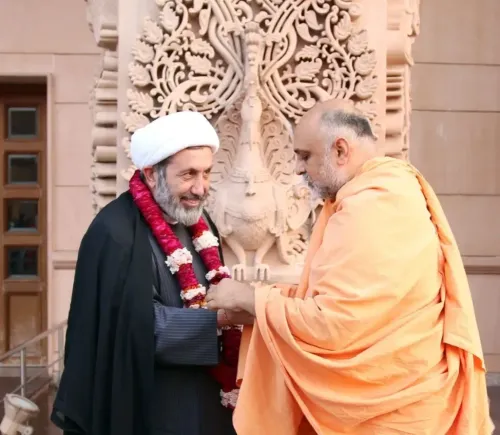
Imanipour visited Swaminarayan Akshardham Temple in New Delhi on 20 November in an interfaith outreach.
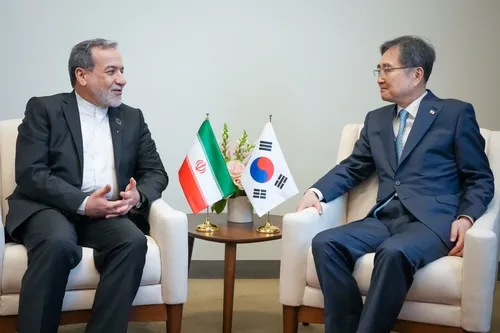
India and Iran on Saturday, 28 November 2026, discussed ways to strengthen cultural engagement rooted in the civilisational and historical heritage the two nations share. The talks in Tehran identified cinema as a focal area of cooperation, according to the Embassy of India in Iran.
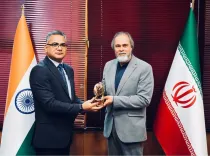
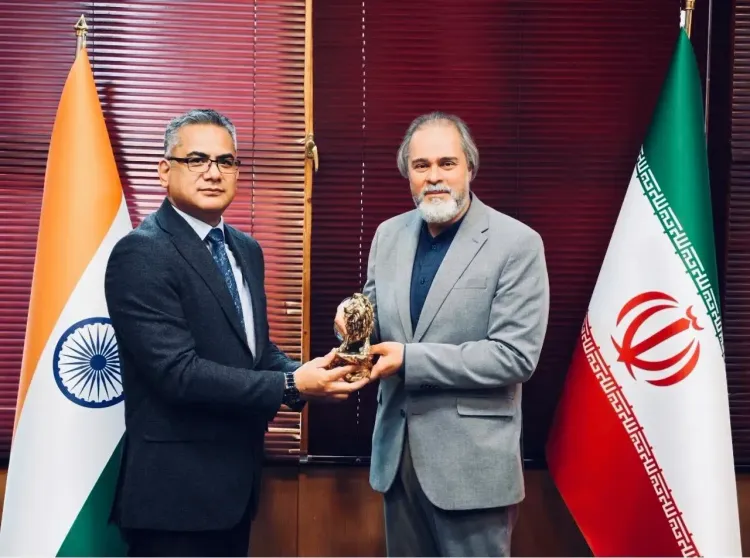
The discussions took place during a meeting between India's Ambassador to Iran, Vishwesh Negi, and Dr Raed Faridzadeh, Iran's Deputy Minister of Culture and President of the Iranian Cinema Organisation.
Key Developments in Tehran
The two sides outlined specific areas for cooperation in film. These include greater institutional exchanges between the apex cinema bodies of both countries, joint project collaborations, and technical and professional training programmes.
In a post on X, the Indian Embassy said: “Ambassador Vishwesh Negi met Dr Raed Faridzadeh, Deputy Minister of Culture and President of the Iranian Cinema Organisation. They discussed avenues to bolster India–Iran cultural engagements, especially in the context of the rich civilisational and historical heritage shared by the two nations.”
The embassy added that “cooperation in the field of cinema, specifically greater institutional exchanges between the respective apex cinema bodies, joint project collaborations and technical and professional training programmes were identified as the focal areas.”
Part of a Wider Cultural Outreach
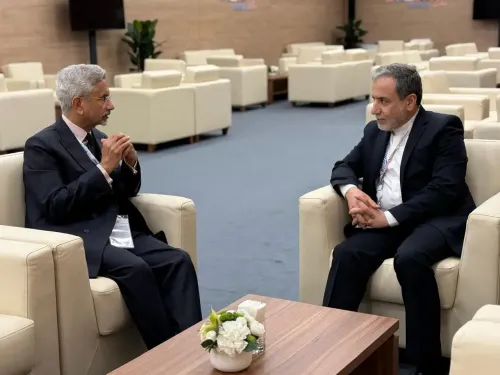
The Tehran meeting is the latest in a series of cultural exchanges between the two countries this month. On 21 November, Union Culture and Tourism Minister Gajendra Singh Shekhawat met Mohammad Mahdi Imanipour, President of Iran's Islamic Culture and Relations Organisation. The meeting was held on the sidelines of the first Shanghai Cooperation Organisation (SCO) Civilisational Dialogue Forum in New Delhi.
During that meeting, Shekhawat highlighted the historical and cultural significance of the Persian language in India. According to the Iranian Embassy, “Shekhawat also appreciated the cultural activities organised by the Embassy of the Islamic Republic of Iran in India, including film festivals and other cultural events, and emphasised India's interest in strengthening cultural relations with Iran.”
The Iranian Embassy also said Shekhawat “expressed interest in cooperation with Iranian cultural institutions in the field of manuscripts.”
Interfaith Outreach in New Delhi
One day earlier, on 20 November, Imanipour visited the Swaminarayan Akshardham Temple in New Delhi. There he met saint Gnanmunidas Swami, Head of Administration at the temple. The visit was seen as a gesture highlighting interfaith dialogue and the centuries-old cultural ties between India and Iran.
Centuries of Shared Heritage
India and Iran share centuries of cultural exchange. Persian language, literature, art and architecture have left a lasting imprint on India's cultural landscape.
Notably, the latest engagement moves beyond heritage. Institutional exchanges, joint projects and professional training in cinema point to a more structured and forward-looking form of cooperation.
The next step will be to see whether the apex cinema bodies of both nations turn these focal areas into formal agreements or co-productions in the months ahead.
Point of View
So culture remains one of the few channels both sides can expand without friction. The pivot from heritage symbolism to concrete cinema exchanges and training is welcome. The real test is whether these focal areas lead to signed agreements and actual co-productions, or stay as embassy talking points.
NationPress
28 Nov 2026
Frequently Asked Questions
What did India and Iran discuss in Tehran on 28 November 2026?
India and Iran discussed ways to strengthen cultural engagement based on their shared civilisational heritage. Cinema was identified as the focal area of cooperation.
Who attended the India-Iran cultural meeting?
India's Ambassador to Iran, Vishwesh Negi, met Dr Raed Faridzadeh, Iran's Deputy Minister of Culture and President of the Iranian Cinema Organisation.
What areas of cinema cooperation were identified?
The focal areas are greater institutional exchanges between the two countries' apex cinema bodies, joint project collaborations, and technical and professional training programmes.
What happened at the SCO Civilisational Dialogue Forum regarding Iran?
On 21 November, Culture Minister Gajendra Singh Shekhawat met Mohammad Mahdi Imanipour on the sidelines of the forum in New Delhi. He highlighted the significance of the Persian language in India and expressed interest in cooperating on manuscripts.
Why are India and Iran culturally linked?
The two countries share centuries of cultural exchange. Persian language, literature, art and architecture have left a lasting imprint on India's cultural landscape.