India, Iran security chiefs hold talks on regional security, BRICS follow-up
Synopsis
India's top security adviser Ajit Doval and Iran's Supreme National Security Council chief Mohsen Rezaei spoke directly on 12 October — a call that signals New Delhi and Tehran are converting BRICS Summit promises into action. With maritime security, Chabahar connectivity and regional stability all on the table, the Doval-Rezaei exchange is the clearest sign yet that India is keeping its West Asian diplomatic lines firmly open.
Key Takeaways
NSA Ajit Doval and Iran's Dr Mohsen Rezaei held a telephone call on 12 October 2026 , confirmed by the Iranian Embassy in New Delhi .
The talks covered the latest regional and international developments and issues of mutual interest to both countries.
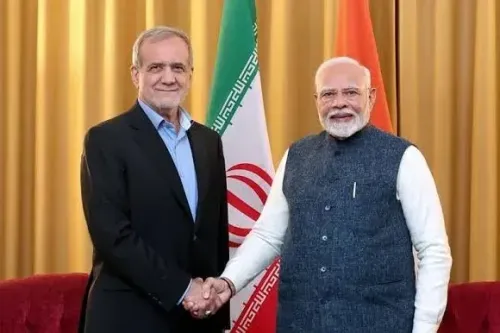
The call follows the BRICS Summit meeting between PM Modi and Iranian President Masoud Pezeshkian , after which Pezeshkian reportedly issued immediate follow-up instructions to ministries.
Iran's Ambassador Mohammad Fathali confirmed Tehran is actively pursuing agreed commitments, noting results 'require time and sustained follow-up.' In July , EAM S.
Jaishankar separately urged Iran to halt attacks on commercial shipping, a concern India has raised at multiple levels.
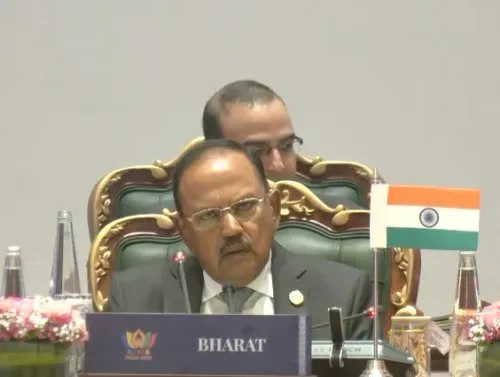
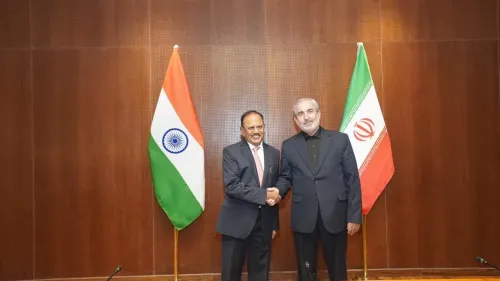
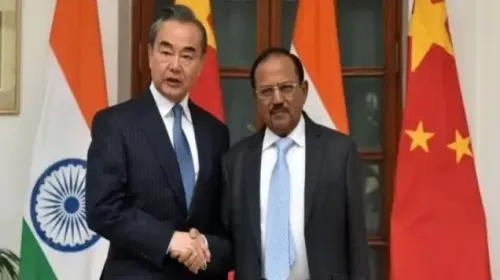
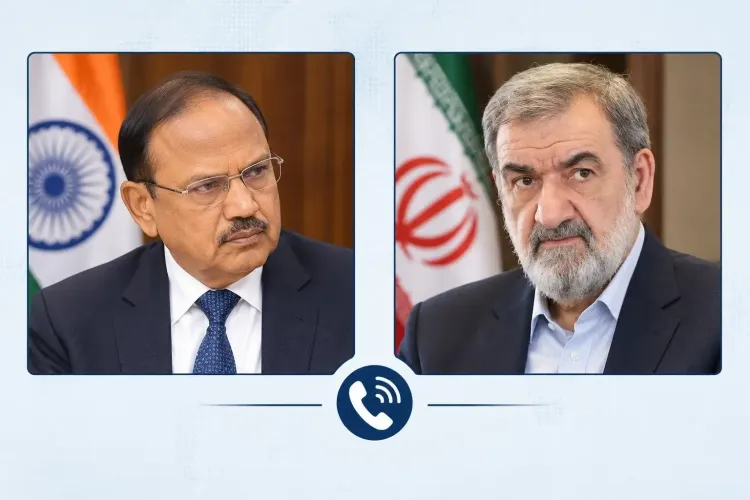
National Security Adviser Ajit Doval and Dr Mohsen Rezaei, Secretary of Iran's Supreme National Security Council, held a telephone conversation on Monday, 12 October 2026, exchanging views on the latest regional and international developments and issues of mutual interest, according to the Iranian Embassy in New Delhi. The high-level contact signals an active diplomatic channel between the two countries amid a volatile West Asian security landscape.
What the Two Officials Discussed
The Iranian Embassy confirmed the call in a post on X, quoting directly: "Dr Mohsen Rezaei, Secretary of the Supreme National Security Council of the Islamic Republic of Iran, held a telephone conversation this evening with Shri Ajit Doval, National Security Adviser of the Republic of India, during which they exchanged views on the latest regional and international developments and issues of mutual interest to the two countries."
No specific agenda items were publicly disclosed, though the timing — following a recent leaders-level meeting on the sidelines of the BRICS Summit — points to continuity in the bilateral engagement framework.
BRICS Follow-Up and Pezeshkian's Instructions
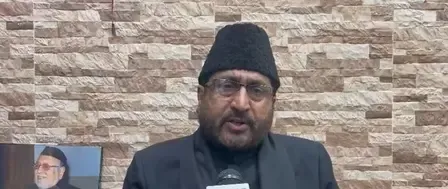
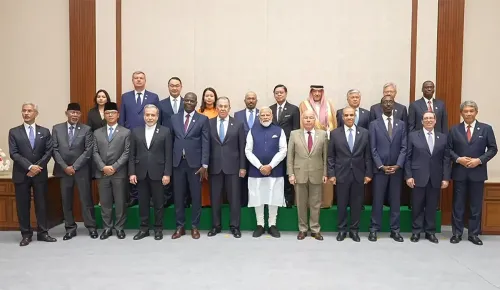
The call comes days after Iran's Ambassador to India, Mohammad Fathali, disclosed that Tehran was actively pursuing commitments made when Prime Minister Narendra Modi met Iranian President Masoud Pezeshkian on the margins of the BRICS Summit last month. Fathali said Pezeshkian had acted swiftly after the meeting.
"From the very first days after these discussions, President Pezeshkian issued the necessary instructions to the relevant ministries and authorities, and the matters agreed during the meeting are being pursued seriously by the relevant institutions. Various issues are on the agenda in Iran-India relations. Implementing the agreements properly and turning them into practical results requires time and sustained follow-up," Fathali said.
He added: "Iran is committed to further developing and deepening relations with India across various fields. We believe the existing capacities between the two countries provide a basis for broader and more productive cooperation."
India's Concerns Over Shipping Attacks
New Delhi has also kept the issue of attacks on commercial shipping firmly on the bilateral agenda. In July, External Affairs Minister S. Jaishankar held a telephonic conversation with Iran's Foreign Minister Seyed Abbas Araghchi, during which he conveyed India's deep concerns over ongoing regional hostilities.
Jaishankar wrote on X: "Had a telephonic conversation with FM Araghchi of Iran this evening. Conveyed our deep concerns at the ongoing hostilities in the region. Strongly urged that attacks on commercial shipping and seafarers be avoided under any circumstances. India condemns any such attack by any party."
The reiteration of this position at the security-adviser level underscores how central maritime safety remains to India-Iran diplomatic exchanges, given New Delhi's significant trade and energy exposure in the Arabian Sea corridor.
Broader Context: India-Iran Ties
India and Iran share layered strategic interests — from the Chabahar Port connectivity project and energy trade to people-to-people ties and regional counter-terrorism cooperation. The Doval-Rezaei call fits a pattern of sub-ministerial security consultations that have intensified as West Asian tensions have escalated. This is the latest in a series of high-level contacts since the BRICS Summit, suggesting both sides are working to convert summit-level goodwill into concrete bilateral outcomes.
With the BRICS follow-up framework now operationalised at the security level, watchers will track whether the two sides move toward formalising cooperation mechanisms in the weeks ahead.
Point of View
Yet cannot afford to be seen as indifferent to maritime security threats that directly imperil Indian shipping and seafarers. The BRICS Summit framework gives both sides a face-saving architecture to deepen ties while sidestepping Western pressure. What mainstream coverage underplays is that these sub-ministerial security channels — rather than foreign-minister calls — are where real implementation is tracked. The real test will be whether the 'practical results' Ambassador Fathali promises materialise into verifiable agreements, or remain aspirational language as regional hostilities drag on.
NationPress
13 Oct 2026
Frequently Asked Questions
Why did India's NSA Ajit Doval speak with Iran's Mohsen Rezaei on 12 October?
The two officials held a telephone conversation to exchange views on the latest regional and international security developments and issues of bilateral interest, according to the Iranian Embassy in New Delhi. The call follows a recent meeting between PM Modi and Iranian President Pezeshkian at the BRICS Summit.
What did India and Iran agree at the BRICS Summit?
Specific details of the Modi-Pezeshkian BRICS Summit discussions have not been publicly disclosed, but Iran's Ambassador Mohammad Fathali said President Pezeshkian issued immediate instructions to relevant ministries to act on the agreed matters. Both sides have indicated multiple cooperation areas are under active pursuit.
What is India's position on attacks on commercial shipping involving Iran?
India has raised strong objections at multiple diplomatic levels. In July, EAM S. Jaishankar told Iran's Foreign Minister Araghchi that India has 'deep concerns' over regional hostilities and 'condemns any attack on commercial shipping by any party.' The issue has also reportedly been raised in the latest security-level talks.
Who is Mohsen Rezaei in the Iranian security establishment?
Dr Mohsen Rezaei is the Secretary of Iran's Supreme National Security Council, effectively the country's top national security official. His direct conversation with India's NSA Ajit Doval signals the engagement is at the highest sub-head-of-state security tier.
How does the Doval-Rezaei call fit into the broader India-Iran relationship?
India and Iran share strategic interests spanning the Chabahar Port connectivity project, energy trade, and regional security. The call is part of an intensifying series of high-level contacts since the BRICS Summit, aimed at translating summit-level goodwill into concrete bilateral outcomes.