India-Mexico trade pact signals shift in Global South economic ties
Synopsis
India and Mexico signed the Terms of Reference for a Preferential Trade Agreement in October 2026 — a move analysts say marks a structural shift in Global South economic strategy. With Mexico imposing tariffs on 1,400-plus product categories from non-treaty nations and India exporting $1.41 billion in high-value goods in just six months, the pact is less about bilateral convenience and more about building a Western-independent trade architecture.
Key Takeaways
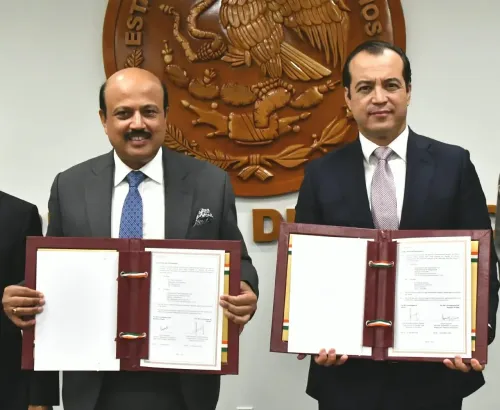
India and Mexico signed the Terms of Reference for a Preferential Trade Agreement (PTA) in October 2026 .
Negotiations will cover market access, rules of origin, customs procedures, and trade facilitation.
Mexico imposed tariffs of 5%–50% on over 1,400 product categories from countries without trade agreements, heightening urgency for the pact.
India exported approximately $1.41 billion in high-value goods to Mexico during April–September 2026 , including vehicles, auto components, aluminium, and steel.
The agreement focuses on advanced sectors: automotive engineering , advanced electronics , and pharmaceuticals .
The pact is seen as part of a broader South-South model aimed at reducing dependence on Western-dominated supply chains.
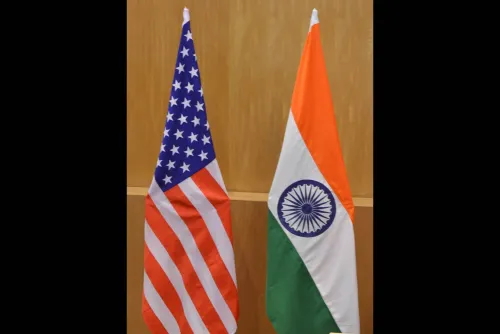
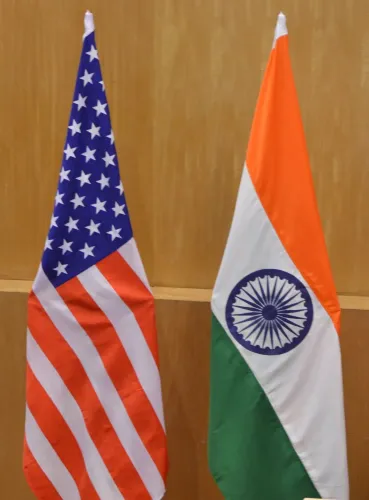
The proposed India-Mexico Preferential Trade Agreement (PTA) reflects a deepening shift toward economic cooperation among Global South economies, as emerging markets seek to diversify supply chains and reduce reliance on traditional partners amid persistent geopolitical volatility, according to a new report. The two countries signed the Terms of Reference for the PTA in October 2026, formally opening the door to negotiations on market access, rules of origin, customs procedures, and trade facilitation.
Why the pact is taking shape now
Supply-chain disruptions over recent years and the gradual erosion of a unipolar economic order have created openings for emerging economies to forge bilateral partnerships rooted in mutual interest, the report noted. A key catalyst on the Mexican side was the country's decision to impose import tariffs ranging from 5% to 50% on more than 1,400 product categories from nations without existing trade agreements — a move that sharply raised the urgency for a formal bilateral arrangement with India.
Global South nations are also increasingly aligning for what analysts describe as economic self-defence against new and unpredictable tariff regimes imposed by larger Western economies. The India-Mexico framework is cited as a concrete example of this trend.
What India stands to gain
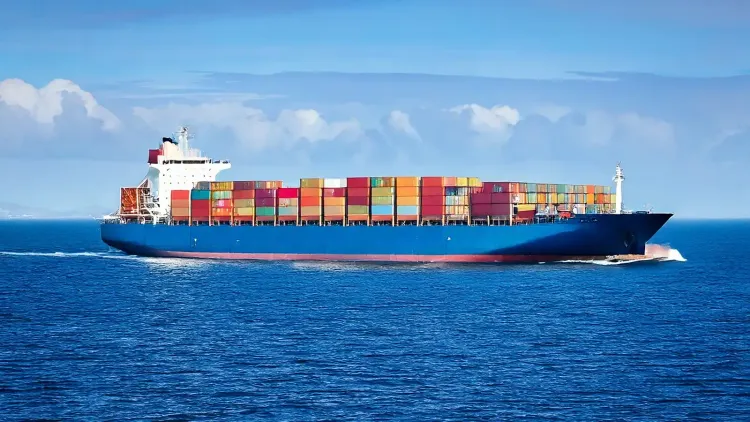
India's geographic and logistical advantage through Mexico is significant. Mexico's location gives India a stable entry point into broader South American markets, while simultaneously widening its access to North American-linked supply chains and industrial networks. During April–September 2026, India exported approximately $1.41 billion worth of high-value technology goods to Mexico, covering motor vehicles, auto components, two- and three-wheelers, aluminium, and iron and steel products.
According to the report, 'Indian pharmaceuticals, engineering goods and auto components are expected to meet real demand in a Mexican market actively seeking alternatives to concentrated supply.'
The emerging South-South model
The report frames the agreement within a broader South-South economic model, under which developing-nation partners trade high-value goods with each other and progressively build resilient supply chains to insulate themselves from Western economic dominance. The India-Mexico pact's focus on advanced sectors — automotive engineering, advanced electronics, and pharmaceuticals — is highlighted as evidence of this model moving beyond commodity exchange into technology-intensive trade.
The pact is described as marking a stage where Global South economies engaged in high-tech trade are constructing a mutually beneficial ecosystem, independent of Western intermediation.
What comes next
With the Terms of Reference now signed, formal negotiations are expected to advance across the agreed pillars of market access, rules of origin, and trade facilitation. The pace of those talks will likely depend on the political calendars of both nations and the broader trajectory of global trade tensions. If concluded, the PTA would be among India's first preferential trade arrangements with a major Latin American economy, with potentially significant implications for Indian exporters and for the broader South-South trade architecture.
Point of View
But the harder question is execution: preferential trade agreements between developing economies have a mixed record of translating signed terms into actual trade flow gains. India already exports $1.41 billion in goods to Mexico without a PTA in force — the real test is whether formal market access concessions move the needle beyond what commerce is already doing organically. Mexico's tariff salvo on non-treaty nations created the political moment, but supply-chain diversification requires sustained industrial policy on both sides, not just a framework document. The 'independence from Western intervention' narrative is resonant geopolitically, but investors and exporters will watch the rules-of-origin provisions closely — these will determine whether the pact genuinely opens markets or merely reshuffles paperwork.
NationPress
6 Nov 2026
Frequently Asked Questions
What is the India-Mexico Preferential Trade Agreement?
The India-Mexico Preferential Trade Agreement (PTA) is a proposed bilateral trade framework whose Terms of Reference were signed in October 2026. It aims to improve market access, establish rules of origin, and streamline customs procedures between the two countries, with a focus on sectors such as automotive engineering, advanced electronics, and pharmaceuticals.
Why did India and Mexico decide to pursue a trade pact now?
Mexico's decision to impose import tariffs of 5%–50% on more than 1,400 product categories from countries without trade agreements sharply raised the urgency. Broader supply-chain disruptions and the desire among Global South economies to reduce dependence on traditional Western markets also accelerated the push for a formal bilateral arrangement.
What goods does India export to Mexico?
During April–September 2026, India exported approximately $1.41 billion in high-value technology goods to Mexico. These included motor vehicles, auto components, two- and three-wheelers, aluminium, and iron and steel products.
How does this pact fit into the Global South economic model?
The agreement is cited as a example of an emerging South-South trade model, under which developing economies trade high-value goods with each other to build resilient supply chains independent of Western economic dominance. It is part of a wider trend of Global South nations seeking economic self-defence against unpredictable tariff regimes.
What happens next with the India-Mexico PTA?
With the Terms of Reference signed, formal negotiations are expected to begin covering market access, rules of origin, customs procedures, and trade facilitation. If concluded, the PTA would be one of India's first preferential trade arrangements with a major Latin American economy.