India, Netherlands discuss port modernisation in The Hague
Synopsis
MoS Shantanu Thakur’s Hague talks with Dutch minister Vincent Karremans put port modernisation, green shipping corridors and inland waterways at the centre of India-Netherlands maritime cooperation, days after EAM S. Jaishankar reviewed the 2026–2030 strategic roadmap in New Delhi. The three-day visit seeks to pair India’s Maritime Amrit Kaal Vision 2047 with Dutch engineering expertise.
Key Takeaways
Shantanu Thakur met Dutch minister Vincent Karremans in The Hague on 25 November 2026 .
Talks covered port modernisation, smart maritime infrastructure, green shipping corridors, sustainable fuels, inland waterways and shipbuilding.
The official visit runs from 25–27 November 2026 and includes ministerial and industry interactions.
The agenda links India’s Maritime Amrit Kaal Vision 2047 with Dutch maritime engineering expertise.
Jaishankar met Netherlands FM Tom Berendsen in New Delhi on 22 November 2026 to review the Strategic Partnership Roadmap 2026–2030 .
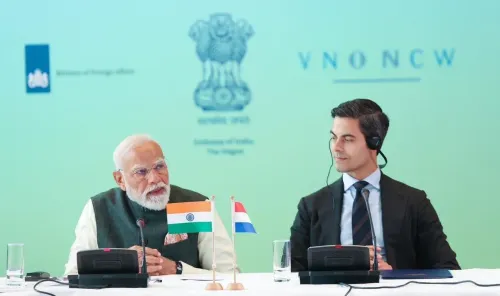
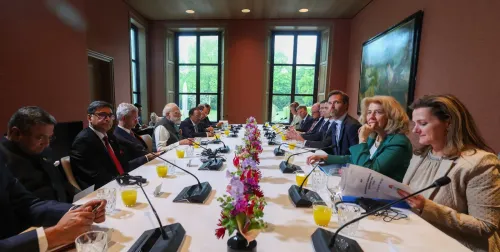
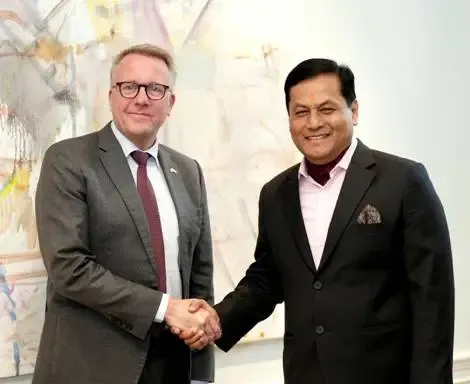
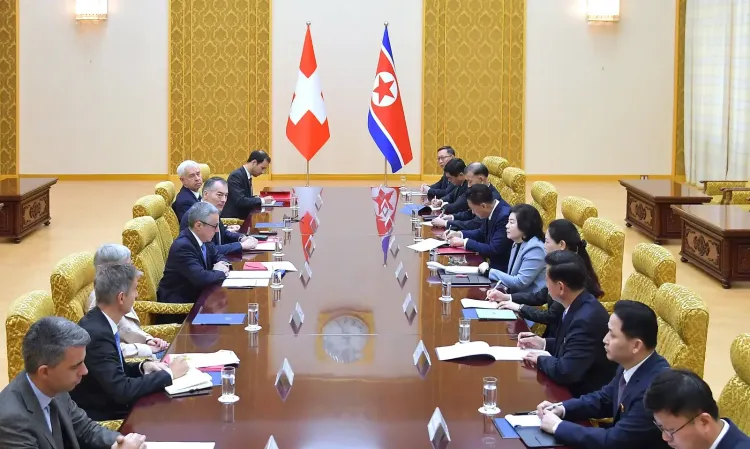
Minister of State for Ports, Shipping and Waterways Shantanu Thakur on 25 November 2026 held bilateral talks with Dutch Minister of Infrastructure and Water Management Vincent Karremans in The Hague, covering port modernisation, smart maritime infrastructure, green shipping corridors, sustainable fuels, inland waterways and shipbuilding collaboration. The meeting, part of Thakur’s three-day official visit to the Netherlands, is meant to align India’s port-led growth plans under the Maritime Amrit Kaal Vision 2047 with Dutch expertise in maritime engineering.
Key developments in The Hague
Thakur led the Indian delegation in the talks with Karremans. The Indian Embassy in the Netherlands described the exchange as productive and as a step toward advancing the India-Netherlands maritime and strategic partnership.
The Embassy said the discussions brought together India’s port-led growth agenda and Dutch global expertise in the sector. In a post on X, it stated: “Advancing the India-Netherlands Maritime and Strategic Partnership! Hon'ble Minister of State for Ports, Shipping and Waterways, Shri Shantanu Thakur, led the Indian delegation in productive bilateral talks with Dutch Minister of Infrastructure and Water Management, Mr Vincent Karremans, in The Hague on 25 November 2026.”
A further Embassy message framed the engagement as uniting India’s port-led growth under Maritime Amrit Kaal Vision 2047 with Dutch global expertise in maritime engineering. Notably, the public readout lists a wide technical agenda — from green corridors and sustainable fuels to inland waterways and shipbuilding — rather than a single signed pact.
Arrival and scope of the visit
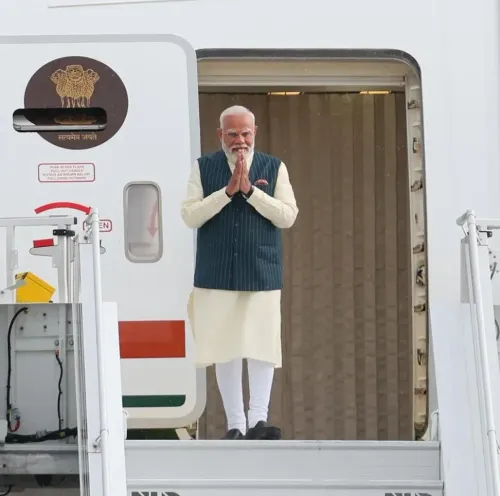
Earlier on Wednesday, Thakur arrived in the Netherlands for an official visit from 25–27 November 2026 and was received at Schiphol Airport by India’s Ambassador to the Netherlands, Kumar Tuhin.
The Embassy posted on X: “A warm welcome to the Netherlands! Ambassador Kumar Tuhin received Hon'ble MoS for Ports, Shipping and Waterways Shri Shantanu Thakur upon his arrival at Schiphol Airport for an official visit from 25-27 Nov 2026.”
Over the three days, the Embassy said, high-level ministerial engagements and industry interactions are intended to advance cooperation across sustainable shipping, port infrastructure, inland waterways and the broader maritime partnership. This is a working visit built around those workstreams, not a ceremonial stopover.
Diplomatic backdrop in New Delhi
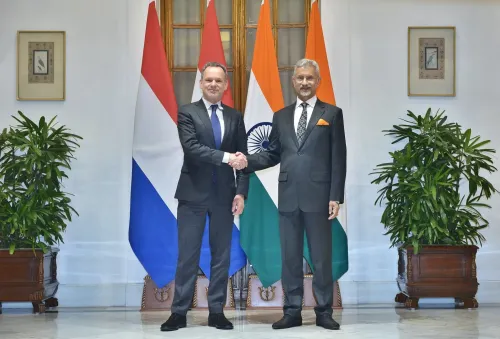
The Hague talks come days after External Affairs Minister S. Jaishankar met Netherlands Foreign Minister Tom Berendsen in New Delhi on 22 November 2026. The two reviewed progress under the India-Netherlands Strategic Partnership Roadmap 2026–2030.
Jaishankar posted on X: “Pleased to meet FM Tom Berendsen of the Netherlands here in New Delhi today. Reviewed progress under the India-Netherlands Strategic Partnership Roadmap 2026-2030.”
This comes amid an attempt to convert that roadmap into sector-specific tracks. A foreign-minister review in New Delhi followed within days by a ports-and-shipping MoS engagement in The Hague suggests New Delhi and The Hague are stacking political and technical conversations in the same week rather than treating maritime cooperation as a stand-alone file.
Why the maritime partnership matters
India has placed ports, shipping and waterways at the centre of its long-horizon growth strategy through the Maritime Amrit Kaal Vision 2047, which emphasises port-led development, greener shipping and inland waterways. The Netherlands is a global centre of maritime engineering, port operations and river-and-canal logistics — capabilities that map directly onto the agenda items named in The Hague.
Green shipping corridors and sustainable fuels sit at the intersection of trade competitiveness and climate policy. Inland waterways, another focus of the talks, remain a smaller share of India’s freight mix than road and rail, while Dutch experience in waterway management is among the deepest worldwide. Shipbuilding collaboration, if it moves from discussion to contracts, would touch yards, skills and supply chains on both sides.
This is not the first time India has sought specialised maritime partners to complement domestic port-led plans. What distinguishes the present round, according to the Embassy framing, is the explicit link between Vision 2047 and Dutch engineering capacity. The meeting as publicly described does not announce a quantified investment envelope or a dated project list; it is an alignment of agendas.
What happens next
Over the remainder of the 25–27 November visit, Thakur is expected to continue ministerial and industry interactions on sustainable shipping, port infrastructure and inland waterways. Concrete outcomes from those sessions, if any, have not yet been detailed by either government.
Follow-through will be measured against the Strategic Partnership Roadmap 2026–2030 that Jaishankar and Berendsen reviewed in New Delhi. For Indian ports, shipping lines, inland waterway operators and shipyards, the practical test is whether Dutch corridor design, fuel-transition know-how and waterway expertise translate into projects on Indian coasts and rivers — and whether Indian shipbuilding finds a durable Dutch counterpart in the years covered by the roadmap.
Point of View
Not timelines, tonnage or rupee figures. That gap is the story to watch: whether this visit yields bankable green-corridor, inland-waterway or shipbuilding work, or joins a long list of well-phrased maritime dialogues that never left the communique.
NationPress
25 Nov 2026
Frequently Asked Questions
What did India and the Netherlands discuss in The Hague?
India and the Netherlands discussed port modernisation, smart maritime infrastructure, green shipping corridors, sustainable fuels, inland waterways and shipbuilding collaboration. The talks were led by MoS Shantanu Thakur and Dutch minister Vincent Karremans in The Hague on 25 November 2026.
Who is Shantanu Thakur meeting in the Netherlands?
MoS for Ports, Shipping and Waterways Shantanu Thakur met Dutch Minister of Infrastructure and Water Management Vincent Karremans in The Hague. He was received on arrival at Schiphol Airport by India’s Ambassador to the Netherlands, Kumar Tuhin.
How long is Shantanu Thakur’s visit to the Netherlands?
Thakur is on a three-day official visit to the Netherlands from 25 to 27 November 2026. The programme includes high-level ministerial engagements and industry interactions on sustainable shipping, port infrastructure and inland waterways.
How does this visit relate to S. Jaishankar’s meeting with the Dutch foreign minister?
The Hague talks come days after External Affairs Minister S. Jaishankar met Netherlands Foreign Minister Tom Berendsen in New Delhi on 22 November 2026. They reviewed progress under the India-Netherlands Strategic Partnership Roadmap 2026–2030, which the maritime visit is now seeking to advance in ports and shipping.
What is Maritime Amrit Kaal Vision 2047 in this context?
It is India’s long-term port-led growth framework that the Indian Embassy said was being united with Dutch global expertise in maritime engineering. The Hague agenda maps that vision onto green shipping, inland waterways, port infrastructure and shipbuilding collaboration.