India pushes for Russia-Ukraine peace role, seeks food corridor deal
Synopsis
India has quietly shifted from bystander to active back-channel player in the Russia-Ukraine conflict. With Modi calling Zelenskyy and Jaishankar dialling Lavrov on the eve of Abu Dhabi peace talks, and a three-part truce proposal already tabled, New Delhi is betting that facilitating even limited outcomes — starting with a Black Sea food corridor — could pay strategic and economic dividends at home.
Key Takeaways
PM Narendra Modi called Ukrainian President Zelenskyy on 9 November , a day before US-mediated Russia-Ukraine talks began in Abu Dhabi .
Jaishankar subsequently called Russian Foreign Minister Sergei Lavrov on the same day.
Zelenskyy posted on X that 'India is ready to mediate in establishing food corridors' via the Black Sea .
India proposed a three-part truce in October covering energy infrastructure, Black Sea grain flows, and commercial shipping safety.
Jaishankar's 3 September visit to Ukraine was the first-ever stand-alone bilateral visit by an Indian External Affairs Minister to that country.
Analysts say India's role is likely that of a facilitator rather than a full mediator, given its limited leverage over Moscow.
India has moved from initial reluctance to active diplomatic engagement in the Russia-Ukraine war, positioning itself as a potential facilitator seeking limited yet meaningful outcomes — driven by the direct economic and strategic benefits that peace could bring to New Delhi, according to a report by The Diplomat.
Key Diplomatic Moves
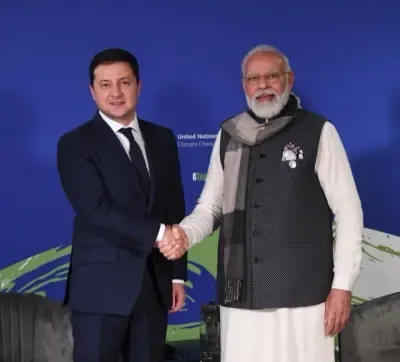
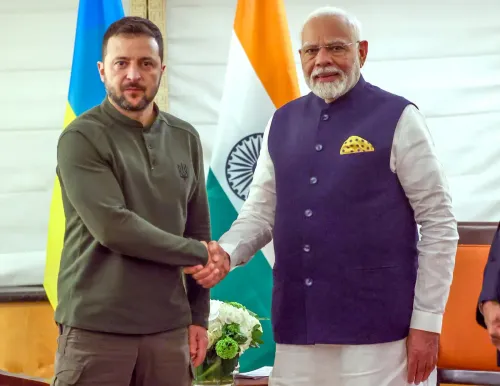
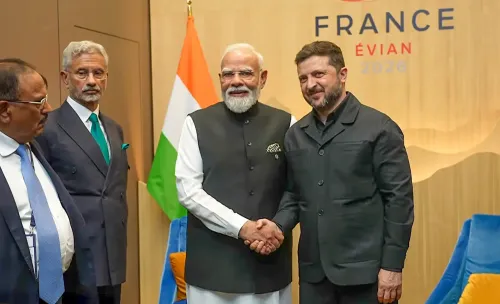
On 9 November, a day before US-mediated two-day talks between Russia and Ukraine commenced in Abu Dhabi, Prime Minister Narendra Modi spoke with Ukrainian President Volodymyr Zelenskyy. This was followed by External Affairs Minister (EAM) S. Jaishankar calling his Russian counterpart, Foreign Minister Sergei Lavrov.
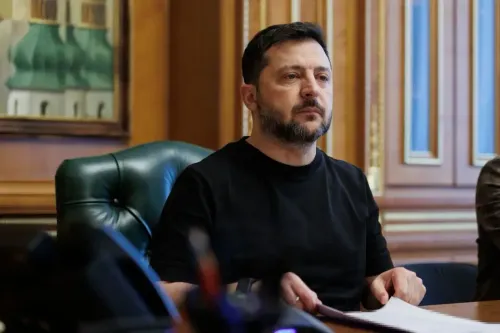
In a post on X after his conversation with Modi, Zelenskyy said he had briefed the Prime Minister 'on the latest diplomatic developments.' He added that they 'discussed Russia's blocking of grain exports via the Black Sea' and claimed that 'India is ready to mediate in establishing food corridors.'
Notably, EAM Jaishankar had visited Ukraine on 3 September, meeting Zelenskyy and holding bilateral consultations with Ukrainian Foreign Minister Andrii Sybiha — marking the first-ever stand-alone bilateral visit by an Indian External Affairs Minister to Ukraine. In October, India also proposed a three-part truce aimed at halting attacks on energy and infrastructure facilities, keeping grain and energy flowing through the Black Sea, and ending strikes on commercial shipping.
Why India Has a Stake in Ukraine Peace
The prolonged conflict has been identified as one of three primary drivers of global economic disruption, and its resolution would carry direct consequences for India. The Diplomat's report outlined three core reasons why New Delhi has entered the diplomatic fray.
First, an end to hostilities could ease India's energy and food security pressures. The war has roiled global oil and gas markets, forcing India — which imports the vast majority of its crude — to navigate volatile prices and shifting sanctions regimes. Supplies of fertiliser and edible oils have also been squeezed, adding to domestic inflation.
Second, even a limited relaxation of tensions between Russia and the West could expand India's diplomatic bandwidth, allowing New Delhi to deepen ties with both Moscow and Washington without being seen as choosing sides — a core principle of its strategic autonomy doctrine.
Third, progress toward peace in Ukraine could reinvigorate India's growing partnership with Europe. The long-negotiated India-EU free trade agreement, along with defence cooperation and technology ties, has been gaining momentum, and a more stable geopolitical environment would accelerate those gains.
India's Realistic Role: Facilitator, Not Full Mediator
The Diplomat's assessment is measured. With limited leverage over Moscow, India's realistic role 'may be less that of a peacemaker than a facilitator, using its access to both Moscow and Kyiv to keep channels open and push for humanitarian and economic arrangements such as the Black Sea food corridor,' the report said.
This comes amid broader global efforts to find an off-ramp to a conflict that has entered its third year. India's unique position — maintaining active diplomacy with both Russia and Western-aligned nations — gives it a narrow but potentially valuable channel for backchannel facilitation.
What Happens Next
The stakes are described as high enough that New Delhi is unlikely to step back from its mediating role. Whether India can convert its access into tangible outcomes — particularly around the Black Sea food corridor — will be the key measure of its effectiveness in the months ahead.
Point of View
Not altruistic. New Delhi is not simply playing peacemaker — it is protecting its own energy supply chains, inflation outlook, and EU trade ambitions. The real test will be whether India's access to both Moscow and Kyiv translates into something concrete, like a functioning Black Sea food corridor, or whether it remains symbolic positioning. India has historically struggled to convert high-profile diplomatic access into durable outcomes in third-party conflicts; the Abu Dhabi process and the truce proposal are early signals, but leverage — which India conspicuously lacks over Russia — is what ultimately moves negotiations.
NationPress
15 Nov 2026
Frequently Asked Questions
What is India's role in Russia-Ukraine peace talks?
India is positioning itself as a diplomatic facilitator rather than a full mediator in the Russia-Ukraine conflict, using its access to both Moscow and Kyiv to keep communication channels open. PM Modi called President Zelenskyy on 9 November, while EAM Jaishankar spoke with Russian Foreign Minister Lavrov on the same day, ahead of US-mediated talks in Abu Dhabi.
What did Modi and Zelenskyy discuss in their November call?
According to Zelenskyy's post on X, he briefed PM Modi on the latest diplomatic developments and they discussed Russia's blocking of grain exports via the Black Sea. Zelenskyy also claimed that 'India is ready to mediate in establishing food corridors.'
What truce proposal has India put forward?
In October 2026, India proposed a three-part truce covering a halt to attacks on energy facilities and other infrastructure, ensuring grain and energy continue to flow through the Black Sea, and ending strikes on commercial shipping. The proposal signals India's intent to shape humanitarian and economic aspects of any eventual settlement.
Why does India want peace in Ukraine?
India has three key reasons: peace could ease its energy and food security pressures caused by volatile oil prices and squeezed fertiliser supplies; it would expand New Delhi's diplomatic room to deepen ties with both Russia and the West without being seen as partisan; and it could accelerate India's growing trade and defence partnerships with Europe, including a long-pending India-EU free trade agreement.
What was significant about Jaishankar's visit to Ukraine in September?
EAM S. Jaishankar's visit to Ukraine on 3 September was the first-ever stand-alone bilateral visit by an Indian External Affairs Minister to Ukraine. He met President Zelenskyy and held consultations with Ukrainian Foreign Minister Andrii Sybiha, marking a significant escalation in direct India-Ukraine diplomatic engagement.