India, UN agencies review e-KYC and Digital Identity Project in Malawi
Synopsis
India's diplomatic engagement in Africa just got more specific: a high-level UNDP-UNCDF delegation met India's High Commissioner in Lilongwe on 29 September to review a digital identity and e-KYC project that could reshape financial inclusion in Malawi — with the Reserve Bank of Malawi as a key partner. Paired with a US$990,000 skills centre project in Sierra Leone, the story is really about India quietly building development influence across Africa through multilateral funds.
Key Takeaways
India's High Commissioner Amararam Gujar met UNDP and UNCDF officials in Lilongwe on 29 September 2026 to review the e-KYC and Digital Identity Project in Malawi .
The project is funded through the India-UN Development Partnership Fund under UNOSSC and implemented with the Reserve Bank of Malawi .
The meeting covered project achievements, key findings, and transition plans to national ownership.
A separate project under the same fund — a US$990,000 Skills Training Centre in Kenema, Sierra Leone — was inaugurated on 18 September 2026 , covering six centres for persons with disabilities.
Both projects reflect India's strategy of channelling development support through multilateral frameworks rather than bilateral aid alone.
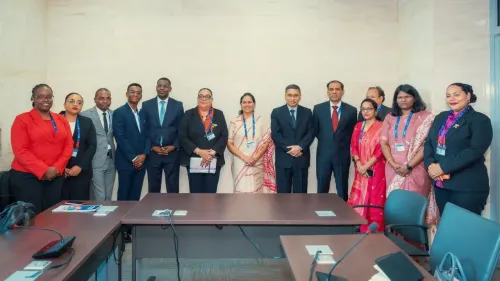
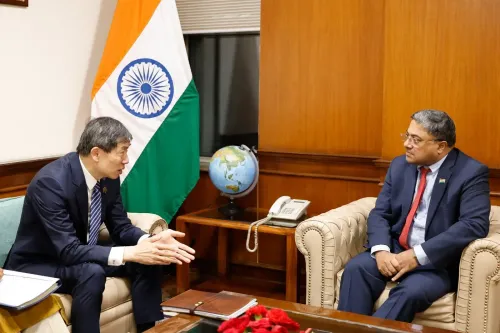
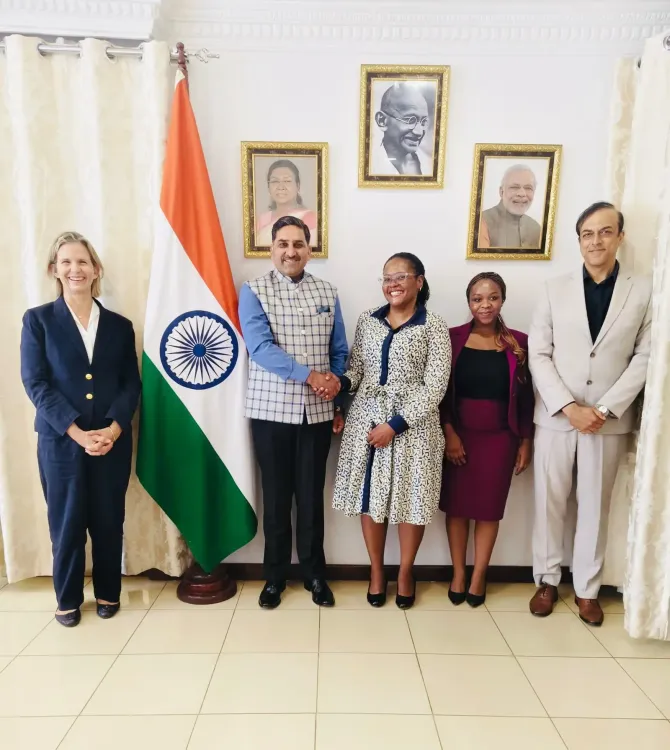
India's High Commissioner to Malawi, Amararam Gujar, on Tuesday, 29 September 2026, received a high-level delegation from the United Nations Development Programme (UNDP) and the UN Capital Development Fund (UNCDF) in Lilongwe to review the progress of the e-KYC and Digital Identity Project in Malawi. The initiative is funded through the India-UN Development Partnership Fund under the United Nations Office for South-South Cooperation (UNOSSC).
Who Led the Delegation
Fenella Frost, UNDP Malawi Resident Representative, and Rufaro Sekeso, Regional Head of UNCDF in Nairobi, led the visiting delegation. The discussion centred on the project's achievements, key findings, and plans for transition to national ownership.
What the Project Is Doing
The e-KYC and Digital Identity Project is being implemented in partnership with key national stakeholders, including the Reserve Bank of Malawi. According to the High Commission of India in Malawi, the project is 'strengthening Malawi's digital identity ecosystem and advancing secure, efficient financial inclusion.' The project represents a concrete example of South-South cooperation — leveraging India's own experience in digital public infrastructure to build capacity in an African partner nation.
India's Broader Commitment to African Development
The Malawi meeting is not an isolated engagement. Earlier this month, a separate project supported by the same India-UN Development Partnership Fund was inaugurated in Sierra Leone. On 18 September 2026, the High Commission of India joined the Government of Sierra Leone, UNDP, and the UN Country Team for the inauguration of a rehabilitated Skills Training Centre in Kenema. That project, backed by a US$990,000 grant, is rehabilitating six skills centres across Sierra Leone, with a focus on promoting vocational skills, entrepreneurship, and economic independence for persons with disabilities. Notably, both projects reflect India's growing footprint in African development through multilateral channels rather than bilateral aid alone.
Significance of the India-UN Development Partnership Fund
The India-UN Development Partnership Fund, managed through UNOSSC, was established to channel Indian resources toward development priorities of the Global South. Digital identity infrastructure — the focus of the Malawi project — mirrors India's own transformative experience with Aadhaar and DigiLocker, suggesting an implicit transfer of institutional knowledge alongside financial support. As more African nations seek to formalise financial inclusion, India's model of e-KYC and digital identity is drawing increasing interest from both governments and multilateral agencies.
The High Commission confirmed that the meeting underscored India's commitment to supporting digital transformation and inclusive development in Malawi, with the transition of the project to national stakeholders forming a key part of discussions going forward.
Point of View
Which provides both legitimacy and scalability. The involvement of the Reserve Bank of Malawi signals this is not a pilot but a systemic integration effort. Paired with the Sierra Leone skills centre, a pattern emerges: India is using the India-UN Development Partnership Fund as a quiet but consistent instrument of influence in Africa, ahead of its competitors in the development finance space.
NationPress
30 Sept 2026
Frequently Asked Questions
What is the e-KYC and Digital Identity Project in Malawi?
It is a project funded through the India-UN Development Partnership Fund under UNOSSC, designed to strengthen Malawi's digital identity ecosystem and advance financial inclusion. It is being implemented in partnership with the Reserve Bank of Malawi.
Why did India's High Commissioner meet UNDP and UNCDF officials in Lilongwe?
The meeting on 29 September 2026 was convened to discuss the e-KYC and Digital Identity Project's achievements, key findings, and transition plans. It underscored India's commitment to supporting digital transformation and inclusive development in Malawi.
What is the India-UN Development Partnership Fund?
It is a fund managed through the United Nations Office for South-South Cooperation (UNOSSC) that channels Indian resources toward development priorities in Global South nations. It has funded projects ranging from digital identity in Malawi to vocational skills centres in Sierra Leone.
What is the Sierra Leone project connected to this fund?
A US$990,000 grant from the India-UN Development Partnership Fund is rehabilitating six skills training centres across Sierra Leone, including one inaugurated in Kenema on 18 September 2026, focused on vocational skills and economic independence for persons with disabilities.
Who led the UN delegation at the Lilongwe meeting?
The delegation was led by Fenella Frost, UNDP Malawi Resident Representative, and Rufaro Sekeso, Regional Head of UNCDF in Nairobi.