Shekhawat Marks 11 Years of Digital India, Highlights UPI to eSanjeevani
Synopsis
Union Culture and Tourism Minister Gajendra Singh Shekhawat marked 11 years of Digital India on 1 July 2026, highlighting UPI, DigiLocker, eSanjeevani, e-NAM and Common Service Centers as transformative tools that have reshaped daily life for millions of Indian citizens, particularly in rural and remote areas.
Key Takeaways
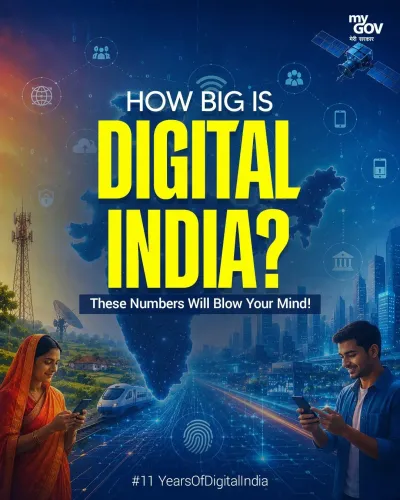
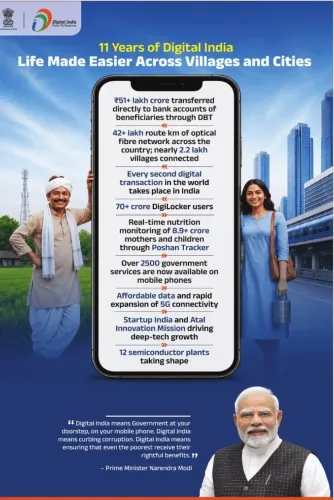
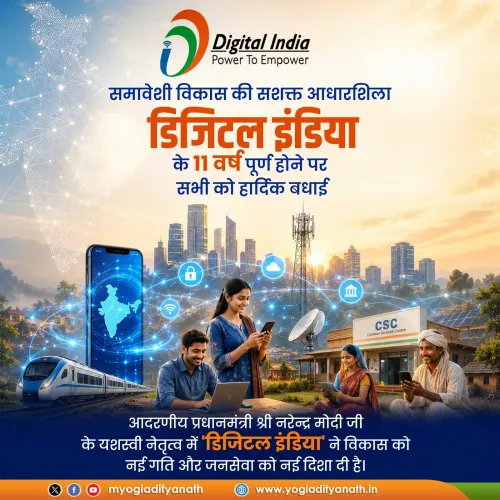
Union Minister Gajendra Singh Shekhawat posted on X on 1 July 2026 to mark 11 years of the Digital India programme .
He highlighted five key initiatives: UPI (instant payments), DigiLocker (document storage), eSanjeevani (telemedicine), e-NAM (agricultural market access), and Common Service Centers (village-level digital services).
The Digital India programme was launched on 1 July 2015 to drive e-governance and digital infrastructure across the country.
UPI was rolled out nationally in 2016 by the National Payments Corporation of India; eSanjeevani was launched in 2018 and expanded during the COVID-19 period. e-NAM began integrating with state mandis in 2016 to connect farmers directly to pan-India buyers and improve price discovery.
The anniversary is expected to precede policy announcements on expanded digital infrastructure in the upcoming Union Budget .
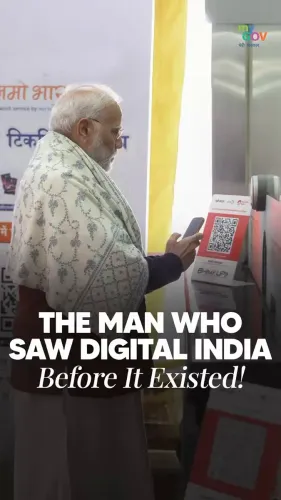
Union Culture and Tourism Minister Gajendra Singh Shekhawat on Wednesday, 1 July 2026 marked the 11th anniversary of the Digital India programme, highlighting how flagship digital initiatives have transformed everyday life for citizens across the country — from instant payments to remote healthcare.
Context
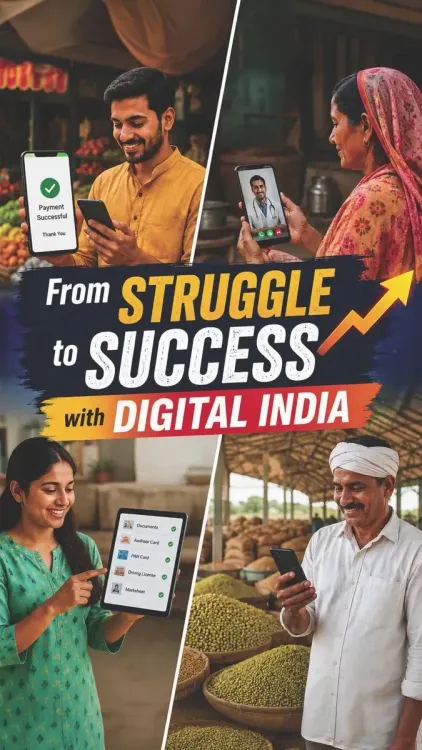
Posting on X with the hashtag #11YearsOfDigitalIndia, Shekhawat framed the programme's journey as a shift 'Struggle से Success तक' (from struggle to success). He recalled a time when citizens spent hours navigating financial transactions, government offices, document storage, and accessing distant medical care — contrasting that with the convenience digital tools now offer.
The minister specifically named five pillars of this transformation: UPI for instant payments, DigiLocker for secure document storage, eSanjeevani for at-home doctor consultations, e-NAM for fair crop pricing, and Common Service Centers (CSCs) for village-level digital access. 'This is not just technology,' he wrote, 'but a strong and modern identity of a changing India.'
Policy Backdrop
The Digital India programme was launched on 1 July 2015 by the Government of India with the stated aim of transforming the country into a digitally empowered society through e-governance and digital infrastructure. The anniversary on 1 July 2026 marks its eleventh year.
Each scheme Shekhawat cited has its own policy lineage. UPI, developed by the National Payments Corporation of India (NPCI), was rolled out nationally in 2016 and has since become one of the world's largest real-time payment systems. e-NAM, the Electronic National Agriculture Market, began integrating with state mandis in 2016 under the Ministry of Agriculture to create a pan-India online trading platform for farm produce. eSanjeevani, the telemedicine initiative of the Health Ministry, was launched in 2018 and saw significant expansion during the COVID-19 period to serve patients in remote and rural areas.
DigiLocker and the Common Service Center network are among the programme's foundational pillars, designed respectively to eliminate physical paperwork and to extend digital government services to citizens at the grassroots level.
Stakeholders and Impact
The initiatives cited by Shekhawat collectively target some of India's most underserved populations: rural citizens seeking government services, farmers looking for fair market access, and patients in remote areas who previously had limited access to specialist care. The Digital India umbrella has been central to the government's broader push to reduce leakages in welfare delivery and cut down on mandatory physical visits to offices.
CSCs, positioned as last-mile connectivity hubs, have been a key vehicle for bringing these services to citizens who may lack personal smartphones or reliable internet. The e-NAM platform has aimed to give farmers price transparency by connecting them to buyers beyond their local mandis, reducing dependence on intermediaries.
What's Next
The 11th anniversary comes at a time when parliamentary scrutiny of Digital India's measurable outcomes — including CSC saturation at the village level and the breadth of e-NAM mandi linkages — is expected to intensify. Upcoming Union Budget deliberations are likely to include proposals for new scheme integrations and expanded digital infrastructure funding, as the government seeks to deepen the programme's reach into areas still underserved by reliable connectivity.
Shekhawat's post, amplified by a senior Cabinet minister with a strong political base in Rajasthan, signals that Digital India's anniversary will be used as a platform for broad outreach ahead of policy announcements in the months ahead.
Point of View
Health, agriculture and rural access — the minister signals a whole-of-government framing rather than a sectoral claim. The choice of a Cabinet minister from Culture and Tourism, rather than IT or Agriculture, to amplify the Digital India message reflects the programme's evolution into a cross-cutting political asset. This pattern of anniversary-driven outreach is consistent with the ruling party's broader strategy of using governance milestones as public communication anchors.
NationPress
30 Sept 2026
Frequently Asked Questions
What is Digital India and when was it launched?
Digital India is a national programme launched on 1 July 2015 by the Government of India to transform the country into a digitally empowered society through e-governance, digital infrastructure and financial inclusion.
What did Gajendra Singh Shekhawat say about Digital India?
Minister Gajendra Singh Shekhawat posted on X on 1 July 2026 marking 11 years of Digital India, describing the programme's journey as moving 'from struggle to success' and citing UPI, DigiLocker, eSanjeevani, e-NAM and Common Service Centers as key pillars of citizen transformation.
What is eSanjeevani and how does it help rural patients?
eSanjeevani is a telemedicine initiative by the Health Ministry, launched in 2018 , that allows patients — especially in rural and remote areas — to consult doctors online from home, reducing the need to travel long distances for medical care.
How does e-NAM benefit farmers in India?
e-NAM , the Electronic National Agriculture Market, is an online trading platform launched in 2016 that connects farmers to buyers across India, improving price transparency and reducing dependence on local intermediaries.
What are Common Service Centers (CSCs) in India?
Common Service Centers (CSCs) are government-backed rural kiosks that provide citizens with access to digital government services, certifications and other e-governance facilities, serving as last-mile connectivity hubs particularly for those without personal internet access.