India-Saudi Arabia ties resilient despite Mecca Defence Pact with Pakistan, Turkey
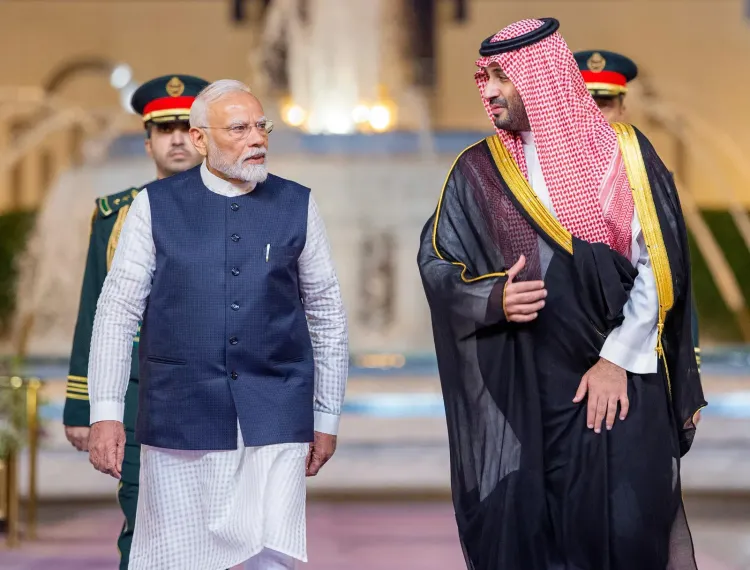
Synopsis
A new Centre for Peace Studies analysis argues that the Mecca Defence Pact — binding Saudi Arabia, Pakistan, and Turkey in a mutual deterrence framework — poses no fundamental threat to India-Saudi relations. With bilateral trade topping USD 41.88 billion, Saudi crude covering 15 per cent of India's oil needs, and a three-million-strong diaspora in the kingdom, the economic architecture holding the two countries together may simply be too large to be moved by a single geopolitical realignment.
Key Takeaways
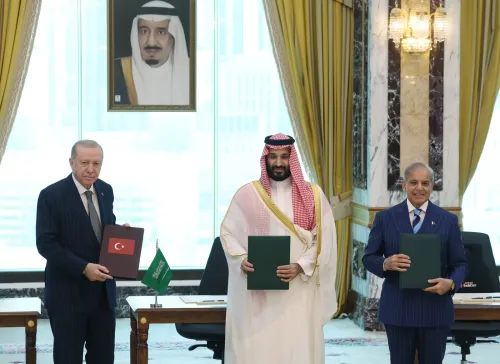
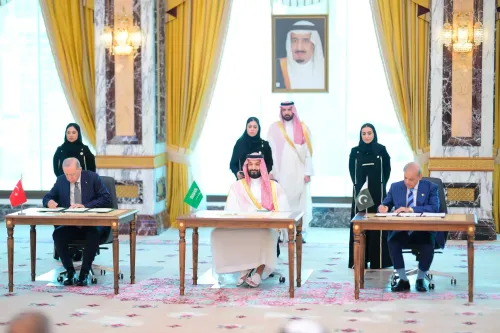
The Mecca Defence Pact signed on 7 August between Saudi Arabia , Pakistan , and Turkey creates a mutual deterrence clause but is assessed as unlikely to disrupt India-Saudi Arabia ties.
Bilateral trade between India and Saudi Arabia exceeds USD 41.88 billion ; Saudi crude covers 15 per cent of India's oil imports.
Saudi Arabia has committed over USD 10 billion in investments to India; over 3 million Indians live and work in the kingdom.
PM Narendra Modi visited Saudi Arabia in April 2025 , announcing collaborations including two oil refineries and deals across health, space, and civil aviation.
The CPS analysis was authored by Mohammed Badru Alam , former Professor and Director of Research at Jamia Millia Islamia University , New Delhi.
Diplomatic ties between India and Saudi Arabia date to 1947 ; both nations prioritise strategic autonomy and hedging in foreign policy.
The Mecca Defence Pact signed between Saudi Arabia, Pakistan, and Turkey on 7 August is unlikely to destabilise India-Saudi Arabia bilateral relations, according to an analysis published by the Centre for Peace Studies (CPS). The report, released on 11 August, argues that the depth of economic interdependencies and the strategic autonomy both nations have cultivated over decades provide a durable buffer against geopolitical disruptions.
What the Mecca Declaration Entails
The trilateral agreement — formally termed the Mecca Declaration — establishes a collective deterrence mechanism under which an attack on any one of the three signatory nations would be treated as an attack on all. The pact has, according to the CPS report, 'understandably heightened anxieties among Indian strategic analysts regarding Saudi Arabia's strategic commitments to Pakistan in the event of any future India-Pakistan conflict.'
Despite this, the report maintains that the structural architecture of India-Saudi ties — built over more than seven decades — is sufficiently robust to absorb such diplomatic developments without fundamental disruption.
Economic Interdependencies That Anchor the Relationship
The bilateral relationship is underpinned by substantial economic stakes on both sides. According to the CPS analysis authored by Mohammed Badru Alam, former Professor and Director of Research at Jamia Millia Islamia University, New Delhi, bilateral trade between the two countries exceeds USD 41.88 billion. Saudi crude accounts for 15 per cent of India's total oil imports, and Saudi Arabia has committed over USD 10 billion in investments to India.
Beyond commerce, the three-million-strong Indian diaspora in Saudi Arabia and the historic Haj pilgrimage represent deep civilisational and people-to-people bonds that, Alam argues, 'political concerns alone cannot erode.'
High-Level Diplomatic Engagement
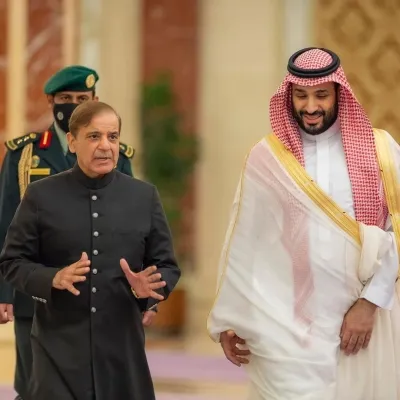
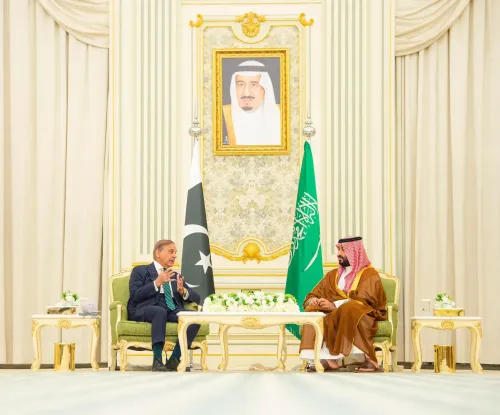
Diplomatic ties between India and Saudi Arabia were formally established in 1947, and high-level engagement has remained consistent. In April 2025, Prime Minister Narendra Modi undertook a two-day visit to Saudi Arabia, during which both sides announced several new initiatives — including the development of two oil refineries in India and collaborations spanning health, space, sports, postal and telecommunication services, medical tourism, civil aviation, strategic petroleum reserves, and skills development.
On 28 March, Prime Minister Modi held a telephonic conversation with Crown Prince Mohammed bin Salman to discuss the ongoing conflict in West Asia. In a post on X following the call, Modi wrote: 'Spoke with Crown Prince and PM of Saudi Arabia, HRH Prince Mohammed bin Salman and discussed the ongoing conflict in West Asia. I reiterated India's condemnation of attacks on regional energy infrastructure.' He added: 'We agreed on the need to ensure freedom of navigation and keeping shipping lines open and secure. Thanked him for his continued support for the welfare of the Indian community in Saudi Arabia.'
Strategic Autonomy as a Shared Principle
The CPS report emphasises that both nations have historically pursued independent foreign policy trajectories, prioritising strategic hedging over bloc alignment. This shared principle, the analysis contends, means that Saudi Arabia's defence arrangements with Pakistan and Turkey need not be read as a pivot away from New Delhi.
Alam wrote: 'Over decades, India and Saudi Arabia have assiduously constructed an intricate web of economic interdependencies, defence collaborations, and cultural bonds that transcend geopolitical fluctuations.' He added that 'the Mecca Declaration, while diplomatically significant, need not destabilise a relationship fortified by shared economic interests and far-reaching strategic calculations.'
What Analysts Are Watching
This comes amid a broader reconfiguration of alliances across the Islamic world, with Turkey and Pakistan deepening defence ties on multiple fronts. How Saudi Arabia navigates its commitments under the Mecca Declaration — particularly in the event of any future India-Pakistan flashpoint — will be closely tracked by Indian strategic planners. The next test of the relationship's resilience may well come from the pace of implementation of the initiatives announced during PM Modi's April 2025 Riyadh visit.
Point of View
But it sidesteps the harder question: what happens if the Mecca Declaration's mutual-defence clause is actually invoked in an India-Pakistan scenario? Economic interdependence is a powerful stabiliser — USD 41.88 billion in trade and USD 10 billion in committed investments are not easily unwound — but Saudi Arabia's simultaneous deepening of ties with Pakistan and Turkey signals a recalibration that New Delhi cannot afford to treat as routine. India's strategic community has long relied on the implicit assumption that Gulf Arab states would remain neutral in any South Asian conflict; the Mecca Declaration tests that assumption directly. The real diplomatic work now is ensuring that the bilateral frameworks built during Modi's April 2025 Riyadh visit are insulated from any future coercive pressure emanating from the new trilateral arrangement.
NationPress
11 Aug 2026
Frequently Asked Questions
What is the Mecca Defence Pact and how does it affect India?
The Mecca Defence Pact, also called the Mecca Declaration, is a trilateral mutual deterrence agreement signed on 7 August between Saudi Arabia, Pakistan, and Turkey, stipulating that an attack on one signatory is treated as an attack on all three. According to a Centre for Peace Studies report, the pact has heightened anxieties among Indian strategic analysts but is assessed as unlikely to fundamentally alter India-Saudi Arabia bilateral ties given the depth of economic and diplomatic interdependencies between the two countries.
How strong are India-Saudi Arabia economic ties?
Bilateral trade between India and Saudi Arabia exceeds USD 41.88 billion, with Saudi crude accounting for 15 per cent of India's total oil imports. Saudi Arabia has committed over USD 10 billion in investments to India, and more than 3 million Indians live and work in the kingdom, making the economic relationship one of the most substantial India maintains in the Gulf region.
What was agreed during PM Modi's April 2025 visit to Saudi Arabia?
During his two-day visit to Saudi Arabia in April 2025, Prime Minister Narendra Modi and Saudi leadership announced several new initiatives, including the development of two oil refineries in India and collaborations in health, space, sports, postal and telecommunication services, medical tourism, civil aviation, strategic petroleum reserves, and skills development.
Who authored the Centre for Peace Studies report on India-Saudi ties?
The analysis was written by Mohammed Badru Alam, a former Professor and Director of Research at Jamia Millia Islamia University, New Delhi. It was published by the Centre for Peace Studies (CPS) and argues that the Mecca Declaration, while diplomatically significant, need not destabilise the India-Saudi relationship.
When were diplomatic ties between India and Saudi Arabia established?
Diplomatic ties between India and Saudi Arabia were formally established in 1947. Since then, high-level engagement has been consistent, including visits by Prime Minister Modi and Saudi Crown Prince Mohammed bin Salman, which the CPS report credits with building a 'constructive, sustainable and mutually beneficial relationship.'