Mecca Joint Defence Agreement: What it means for India's security calculus
Synopsis
A new trilateral defence pact signed in Mecca by Pakistan, Saudi Arabia, and Turkey — treating an attack on one as an attack on all — is forcing New Delhi into a careful diplomatic calculation. The central question: could India's right to conduct counter-terrorism operations against Pakistan be reframed as an act of aggression triggering collective defence? The answer remains legally and politically unresolved.
Key Takeaways
The Mecca Joint Defence Agreement between Pakistan , Saudi Arabia , and Turkey establishes a mutual defence clause treating an attack on one signatory as an attack on all three.
Security analysts link the pact to shifting West Asian dynamics following US-Israeli military action against Iran and concerns over Gulf infrastructure vulnerability.
Analysts warn the clause could be invoked if India conducts counter-terrorism operations against terrorist infrastructure in Pakistan .
India maintains that self-defence counter-terrorism operations are legally distinct from acts of aggression — but whether the three signatories would accept this distinction is uncertain.
India and Saudi Arabia share strong ties built on energy, trade, and counter-terrorism cooperation; experts urge Riyadh to clarify the pact is not directed at New Delhi .
Experts recommend careful diplomacy and continued regional engagement as India's most effective response.
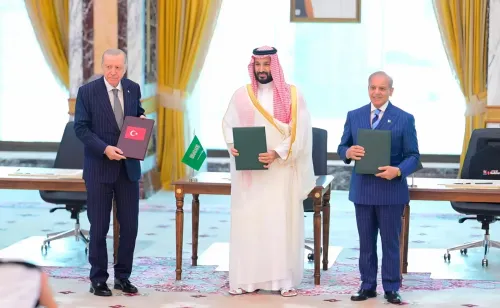
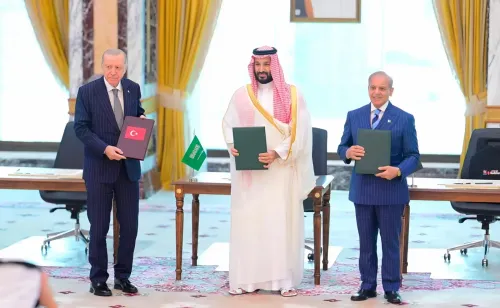
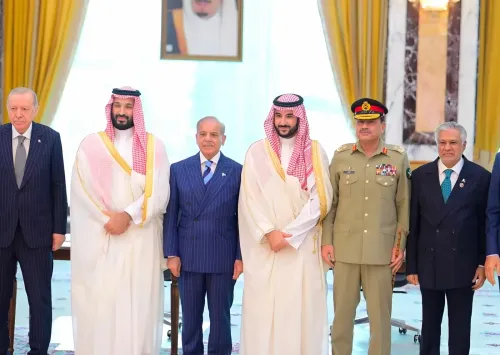
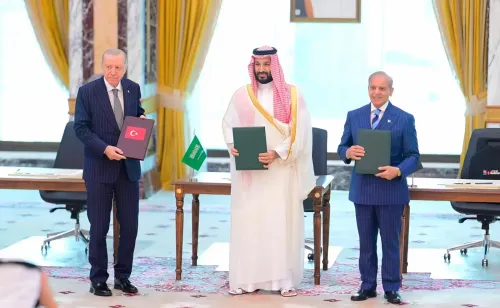
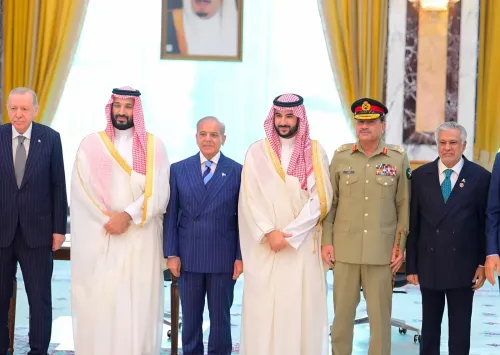
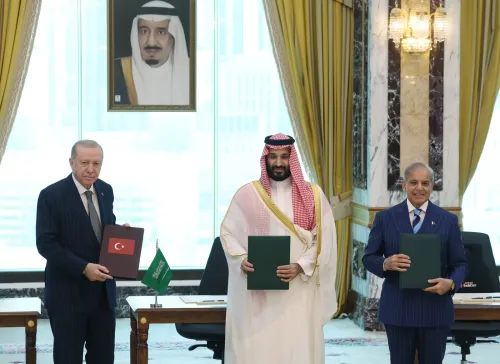
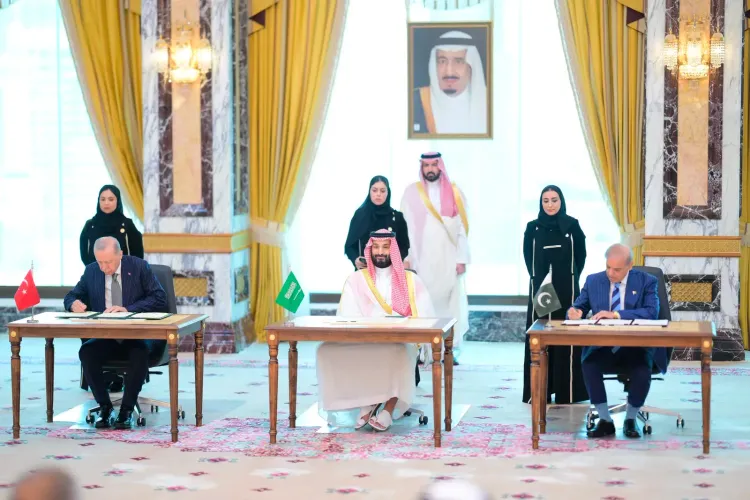
The newly signed Mecca Joint Defence Agreement between Pakistan, Saudi Arabia, and Turkey has emerged as a significant shift in regional security architecture, with Pakistan's Foreign Ministry confirming that the pact treats an armed attack on any one signatory as an attack on all three — while also broadening defence cooperation across multiple domains. The agreement, signed in Mecca, is drawing close attention from New Delhi given its direct implications for South Asian and West Asian security.
Why the Agreement Was Signed
Security analysts broadly attribute the pact to rapidly shifting strategic dynamics across West Asia. The US-Israeli military action against Iran, Tehran's subsequent retaliation against American bases, and mounting concerns over the vulnerability of Gulf energy and water infrastructure have collectively created pressure for a new collective deterrence framework, according to experts. In this reading, the agreement is primarily a defensive response to regional volatility rather than an offensive realignment.
The Core Question for India
The mutual defence clause, however, raises pointed questions for New Delhi. As one analyst noted, 'One key issue is how the mutual defence clause would be interpreted if India were compelled to conduct military action against terrorist infrastructure in Pakistan following a major cross-border terrorist attack.' India has consistently maintained that counter-terrorism operations conducted in self-defence are fundamentally distinct from acts of aggression against a sovereign state. Whether such a scenario would legally or politically trigger the pact's collective defence provision remains uncertain, analysts say, and would depend on the specific circumstances, diplomatic consultations, and the interpretation adopted by the three signatories.
Turkey, Saudi Arabia and the Pakistan Factor
Turkey has steadily deepened its defence cooperation with Pakistan over recent years, while Saudi Arabia commands significant financial capacity that could, analysts argue, indirectly bolster Pakistan's military resilience. 'These developments naturally merit close observation from New Delhi,' one analyst said. Notably, this is not the first time regional security realignments have placed India in a position of having to recalibrate its diplomatic posture toward its Gulf partners.
India-Saudi Arabia Ties: A Stabilising Factor
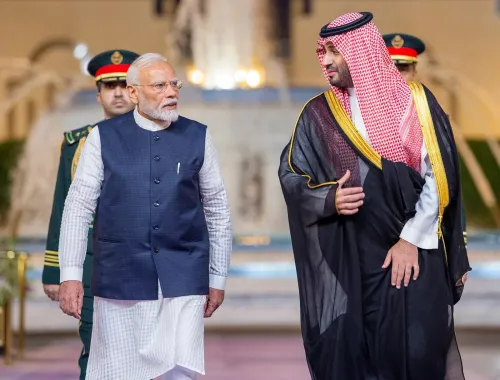
India maintains strong and growing strategic ties with Saudi Arabia, anchored in energy security, bilateral trade, investment flows, and counter-terrorism cooperation. Many experts argue that Riyadh would do well to publicly clarify that the Mecca Joint Defence Agreement is not directed against India and does not dilute its stated commitment to combating terrorism in all its forms. Such a clarification, analysts say, would help prevent diplomatic ambiguity from hardening into strategic mistrust.
New Delhi's Recommended Path Forward
Experts broadly agree that the appropriate Indian response is neither alarm nor passivity, but sustained diplomatic engagement — with Saudi Arabia, Turkey, and other regional partners — alongside a firm insistence that no security arrangement should provide political cover for cross-border terrorism. The coming weeks will test whether India's diplomatic channels are agile enough to shape the interpretation of the agreement before positions harden among the three signatories.
Point of View
It would represent a fundamental challenge to India's established legal position that self-defence operations against non-state actors do not constitute aggression against a sovereign state. Saudi Arabia is the critical variable here: Riyadh has too much at stake in its India relationship to allow the pact to become a shield for cross-border terrorism, but it has not said so publicly. That silence is itself a diplomatic signal New Delhi should be pressing to change.
NationPress
22 Sept 2026
Frequently Asked Questions
What is the Mecca Joint Defence Agreement?
The Mecca Joint Defence Agreement is a trilateral security pact signed by Pakistan, Saudi Arabia, and Turkey that treats an armed attack on any one signatory as an attack on all three, while also expanding defence cooperation across multiple domains. Pakistan's Foreign Ministry has confirmed the mutual defence clause as a central feature of the agreement.
Why does the Mecca pact concern India?
The agreement raises questions about whether India's right to conduct counter-terrorism operations against terrorist infrastructure in Pakistan could be reinterpreted as an act of aggression triggering the pact's collective defence clause. India maintains that such operations are acts of self-defence, legally distinct from aggression — but whether Pakistan, Saudi Arabia, and Turkey would accept that distinction is uncertain.
What role do Turkey and Saudi Arabia play in the pact's implications for India?
Turkey has steadily deepened its defence cooperation with Pakistan in recent years, while Saudi Arabia's financial capacity could indirectly strengthen Pakistan's military resilience, according to analysts. Both factors make the agreement strategically significant for New Delhi beyond the text of the mutual defence clause itself.
How does India's relationship with Saudi Arabia affect the picture?
India and Saudi Arabia share strong bilateral ties rooted in energy security, trade, investment, and counter-terrorism cooperation. Many experts argue Riyadh should publicly clarify that the Mecca agreement is not directed against India and does not weaken its commitment to fighting terrorism in all forms, which would help prevent strategic ambiguity from escalating.
What should India's response to the Mecca Joint Defence Agreement be?
Experts broadly recommend careful and sustained diplomacy rather than alarm or inaction. India should continue engaging regional partners and firmly insist that no security arrangement can serve as political cover for cross-border terrorism, while working through diplomatic channels to shape how the agreement's clauses are interpreted.