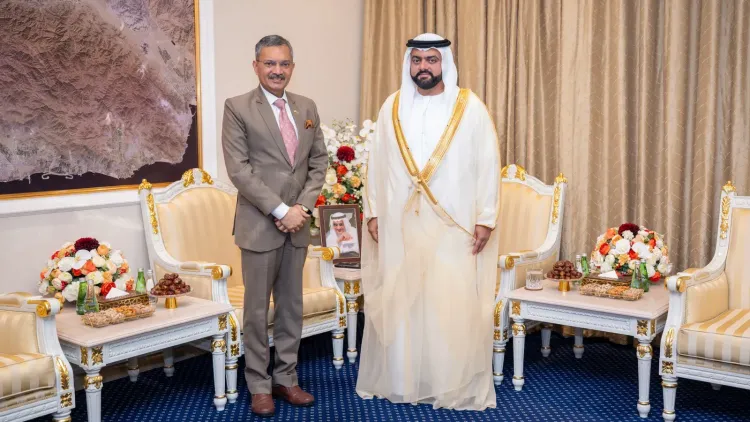
India-UAE ties: Ambassador Deepak Mittal meets Fujairah Crown Prince
Synopsis
India's top diplomat in the UAE and the Indian Air Force chief both held high-level meetings in Abu Dhabi on 4 September — with the Fujairah Crown Prince and the UAE Air Force commander respectively. The twin engagements, coming months after a structured consular affairs meeting in New Delhi, point to a deliberate push to deepen India-UAE ties across diplomacy, defence, and diaspora welfare simultaneously.
Key Takeaways
India's Ambassador Dr.
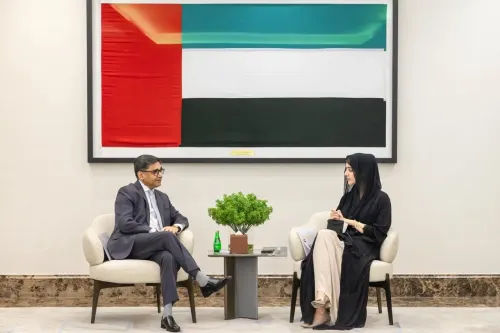
Deepak Mittal met Mohamed bin Hamad Al Sharqi , Crown Prince of Fujairah , on 4 September to discuss deepening bilateral ties.
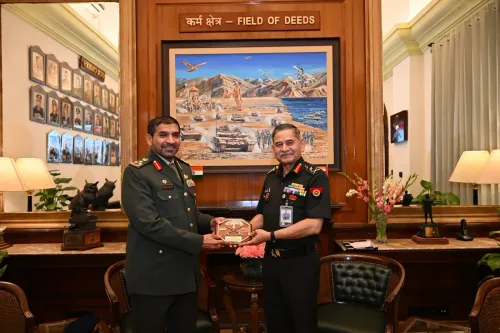
Air Chief Marshal Amar Preet Singh met UAE Air Force Commander Major General Staff Rashid Mohammed Al Shamsi on the same day to explore defence and military cooperation.
India and the UAE held the 7th JCCA meeting in New Delhi on 22 July , reaffirming commitment to citizen welfare and consular cooperation.
Technical discussions at the JCCA covered labour mobility, consular issues, extradition , and mutual legal assistance.
The UAE hosts approximately 3.5 million Indian nationals — the country's largest expatriate community.
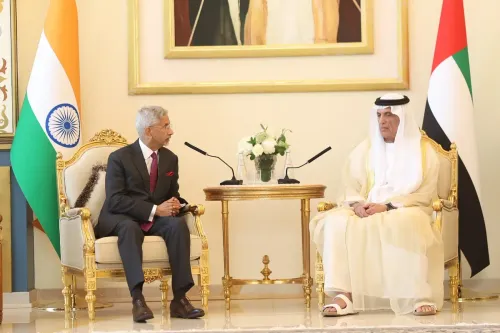
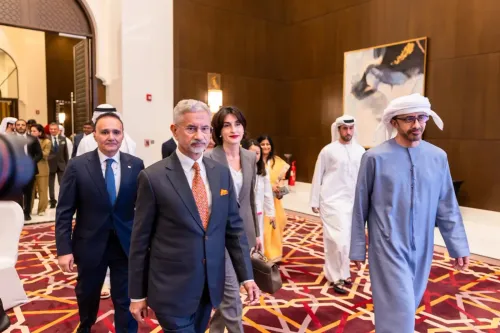
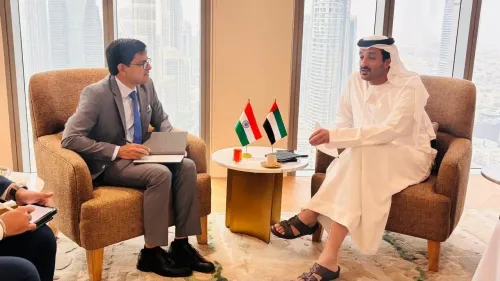
India's Ambassador to the United Arab Emirates (UAE), Dr. Deepak Mittal, on Friday, 4 September held a meeting with Mohamed bin Hamad Al Sharqi, Crown Prince of the Emirate of Fujairah, to explore ways to further deepen bilateral relations between the two nations. The Indian Embassy in the UAE confirmed the meeting in a post on X, noting that the two sides 'exchanged views on various issues of mutual interest and on ways to further develop relations between India and UAE.'
Air Force Chiefs Discuss Defence Cooperation
In a parallel development on the same day, Air Chief Marshal Amar Preet Singh, Chief of the Air Staff (CAS) of the Indian Air Force (IAF), met with Major General Staff Rashid Mohammed Al Shamsi, Commander of the UAE Air Force and Air Defence, to explore avenues for strengthening military and defence cooperation.
The UAE Ministry of Defence confirmed the meeting on X, stating that the two sides 'discussed a range of issues of mutual interest and explored avenues for further strengthening bilateral cooperation, particularly in the military and defence fields, in a manner that supports their joint efforts and contributes to enhancing security and stability in the region.'
Consular and Legal Ties Reinforced in July
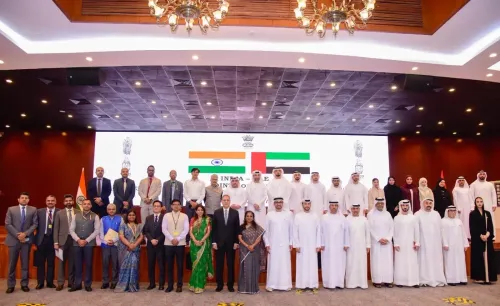
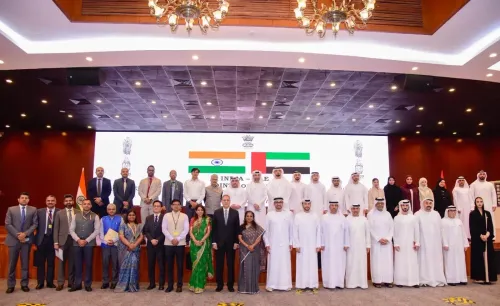
The diplomatic engagements of 4 September build on a series of structured interactions between the two countries. In July, India and the UAE reaffirmed their commitment to the safety, dignity, and well-being of their citizens residing in each other's countries during the 7th Meeting of the India-UAE Joint Committee on Consular Affairs (JCCA).
The JCCA session was held in New Delhi on 22 July and was co-chaired by Sripriya Ranganathan, Secretary (CPV & OIA), and Omar Obaid Mohammed Alhesan Alshamsi, Undersecretary of the UAE Ministry of Foreign Affairs, according to India's Ministry of External Affairs (MEA). The meeting was preceded by technical-level discussions covering consular issues, labour and mobility, and extradition and mutual legal assistance.
Why These Engagements Matter
India and the UAE share one of the most consequential bilateral relationships in the Gulf region. The UAE is home to approximately 3.5 million members of the Indian diaspora — the largest expatriate community in the country — making consular and welfare frameworks a high-priority concern for both governments.
On the defence side, the IAF chief's visit signals growing strategic convergence at a time when both nations are deepening cooperation under the Comprehensive Strategic Partnership framework established in 2017. Military-to-military engagement, including joint exercises and equipment cooperation, has expanded steadily in recent years.
What to Watch Next
The back-to-back diplomatic and defence-level interactions suggest a deliberate effort to maintain momentum across multiple tracks of the India-UAE relationship. Observers will watch for any formal agreements or joint statements emerging from these engagements, particularly on defence procurement and labour mobility frameworks that directly affect Indian workers in the Gulf.
Point of View
Consular frameworks are as strategically significant as defence deals. The JCCA's focus on extradition and mutual legal assistance also signals that the relationship is maturing beyond trade and investment into harder areas of legal cooperation — a marker of genuine strategic depth that bilateral photo-ops rarely convey.
NationPress
20 Oct 2026
Frequently Asked Questions
Why did India's Ambassador meet the Crown Prince of Fujairah?
India's Ambassador Dr. Deepak Mittal met Crown Prince Mohamed bin Hamad Al Sharqi on 4 September to exchange views on issues of mutual interest and explore ways to further develop India-UAE relations. The meeting was confirmed by the Indian Embassy in the UAE.
What did the Indian Air Force chief discuss in the UAE?
Air Chief Marshal Amar Preet Singh met UAE Air Force and Air Defence Commander Major General Staff Rashid Mohammed Al Shamsi on 4 September to explore avenues for strengthening bilateral cooperation in military and defence fields. The UAE Ministry of Defence said the talks aimed at enhancing regional security and stability.
What is the India-UAE Joint Committee on Consular Affairs (JCCA)?
The JCCA is a bilateral mechanism that addresses consular, labour, mobility, extradition, and legal assistance issues between India and the UAE. Its 7th meeting was held in New Delhi on 22 July, co-chaired by senior officials from both governments.
Why is the India-UAE relationship strategically important for India?
The UAE is home to approximately 3.5 million Indian nationals — the largest diaspora community in the country — making welfare, labour rights, and consular access critical concerns. Beyond diaspora ties, the two countries share a Comprehensive Strategic Partnership covering trade, defence, and energy.
What happens next after these diplomatic meetings?
Observers are watching for formal agreements or joint statements on defence procurement and labour mobility. The pattern of structured engagements across diplomatic, military, and consular tracks suggests further institutional outcomes are likely in the months ahead.