India's Arctic push: MoS Kirti Vardhan Singh champions science-first approach at Reykjavík Assembly
Synopsis
India hosted a session at the Arctic Circle Assembly in Reykjavík for the first time, with MoS Kirti Vardhan Singh laying out a science-first Arctic agenda built around the Himadri research station, a formal Arctic Policy, and deepening ties with Nordic partners — including progress on the India-EFTA TEPA trade pact.
Key Takeaways
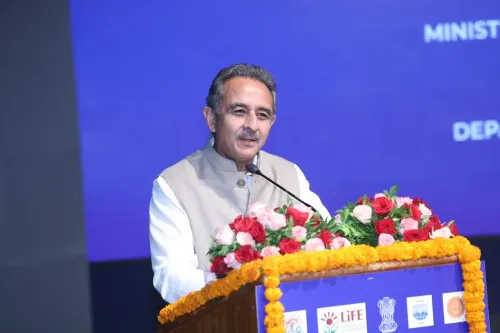
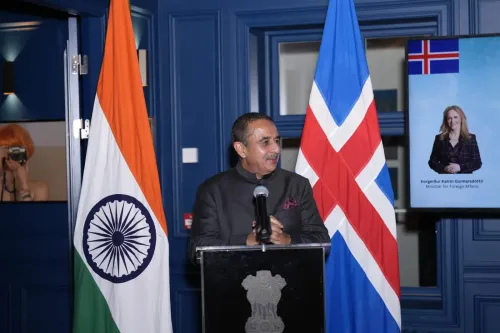
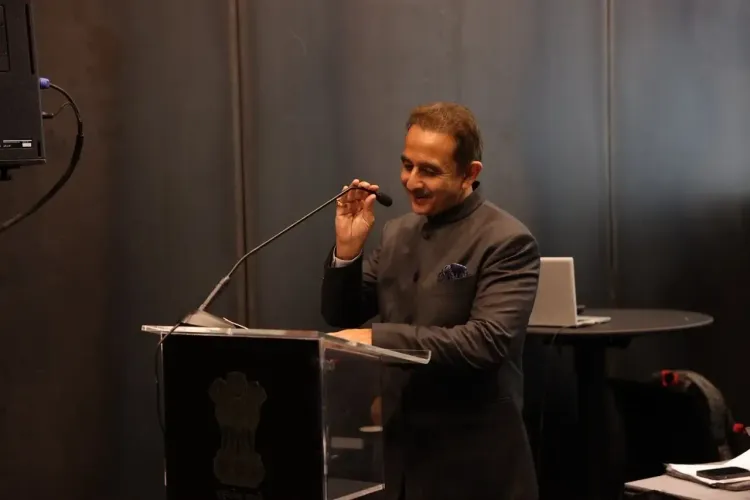
MoS Kirti Vardhan Singh delivered India's opening statement at the Arctic Circle Assembly in Reykjavík on 9 October 2026 .
India hosted its own session — 'Arctic & Climate Change: Perspectives from Observer States' — marking a more proactive ACA posture.
Singh highlighted the Himadri research station in Svalbard and India's formal Arctic Policy as pillars of engagement.
A joint session with Singapore explored links between the Arctic, the Himalayas and the global climate system.
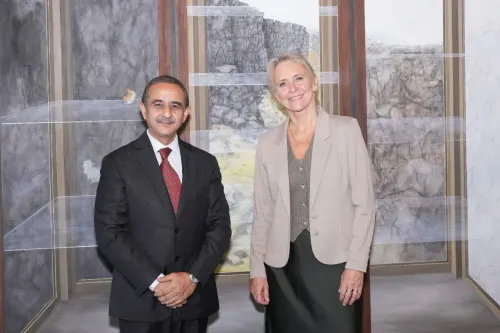
Singh met Iceland's Foreign Minister to review bilateral progress since the 3rd India-Nordic Summit (Oslo, May 2026) and discussed the India-EFTA TEPA trade deal.
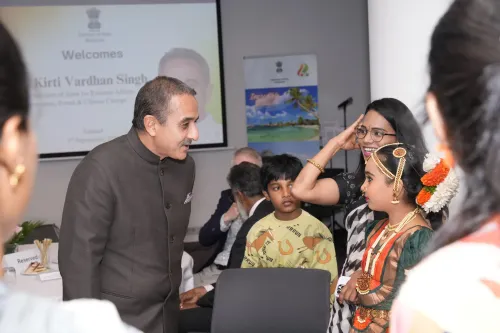
Union Minister of State for External Affairs and Environment, Forest and Climate Change Kirti Vardhan Singh on 9 October 2026 underlined India's science-first approach to Arctic engagement at the Arctic Circle Assembly (ACA) in Reykjavík, Iceland, laying out the country's priorities as an Observer State: stronger scientific research, sustainable development and deepened international cooperation.
Key Remarks at the Observer States Session
Singh delivered the opening statement at a session titled 'Arctic & Climate Change: Perspectives from Observer States,' hosted by India at the Assembly. He highlighted India's institutional commitment to Arctic science, anchored by the Himadri research station in Svalbard, as well as the country's formal Arctic Policy. The session provided a platform to articulate India's forward-looking agenda for the polar region, connecting environmental stewardship with the broader imperative of climate resilience.
Meeting with Arctic Circle Chairman
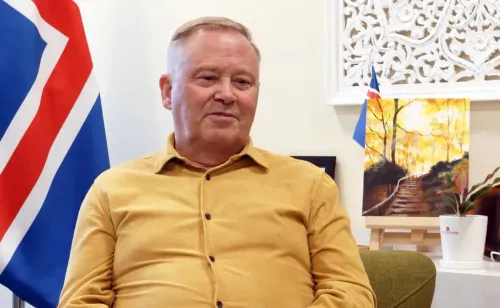
On the sidelines, Singh met Ólafur Ragnar Grímsson, Chairman of the Arctic Circle, in Reykjavík. Discussions covered India's longstanding engagement with the region across scientific research, environmental protection and sustainable development. Both sides expressed commitment to continued dialogue on issues of shared interest.
India-Singapore Dialogue on Melting Poles
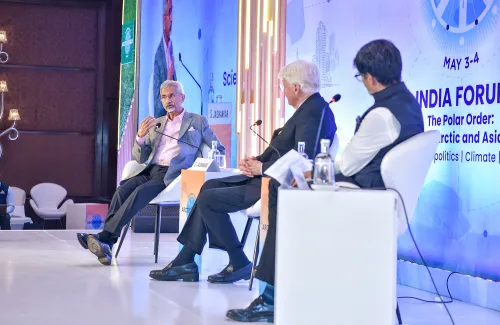
Singh also participated in a joint event titled 'Melting Poles: Perspectives from India and Singapore,' alongside Gan Siow Huang, Singapore's Minister of State for Foreign Affairs. The session, moderated by former Icelandic Prime Minister Katrín Jakobsdóttir, explored the interconnectedness between the Arctic, the Himalayas and the global climate system — underscoring why scientific collaboration and multilateral partnership are essential to shaping a credible climate response. A warming Arctic, the speakers noted, has cascading consequences for sea levels, weather patterns and communities far beyond the polar region.
Bilateral Talks with Iceland's Foreign Minister
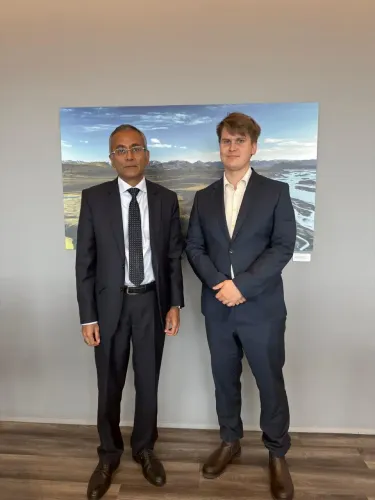
On Thursday, Singh met Þorgerður Katrín Gunnarsdóttir, Iceland's Foreign Minister, in Reykjavík. The two sides reviewed progress in bilateral ties since the 3rd India-Nordic Summit held in Oslo in May 2026. Singh noted significant potential for expanding cooperation in trade and investment, including through implementation of the India-EFTA Trade and Economic Partnership Agreement (TEPA). Both ministers also exchanged views on key regional and global geopolitical developments.
India's Arctic Engagement: The Broader Context
India has held Observer State status in the Arctic Council since 2013, and its presence at the Arctic Circle Assembly reflects a consistent effort to translate that status into substantive scientific and diplomatic engagement. The Himadri station in Svalbard serves as India's primary polar research outpost, conducting work on glaciology, atmospheric sciences and marine biology. This is the first time India has hosted a dedicated session at the ACA, signalling a more proactive posture in Arctic multilateralism. Singh arrived in Reykjavík on Wednesday, describing the Assembly as an opportunity for productive dialogue and bilateral engagements. All eyes will now be on how India translates these diplomatic signals into concrete research and climate cooperation outcomes in the months ahead.
Point of View
But peer-reviewed Arctic output from Indian institutions remains modest relative to the country's ambitions. The India-Singapore 'Melting Poles' dialogue is a smart rhetorical move, connecting the Arctic to the Himalayas in a way that gives domestic audiences a stake in polar diplomacy. The real dividend, however, will come from whether TEPA implementation and Nordic partnerships translate into actual climate technology transfers — something past summit communiqués have promised without delivering.
NationPress
9 Oct 2026
Frequently Asked Questions
What is India's role in the Arctic Circle Assembly?
India participates as an Observer State and, at the 2026 Arctic Circle Assembly in Reykjavík, hosted its own session on Arctic and climate change perspectives — a first for the country. India has held Observer State status in the Arctic Council since 2013 and operates the Himadri research station in Svalbard.
What is the Himadri research station?
The Himadri station is India's permanent Arctic research facility, located in Svalbard, Norway. It serves as the country's primary outpost for polar science, conducting research in glaciology, atmospheric sciences and marine biology.
What did MoS Kirti Vardhan Singh discuss with Iceland's Foreign Minister?
Singh met Iceland's Foreign Minister Þorgerður Katrín Gunnarsdóttir to review bilateral progress since the 3rd India-Nordic Summit in Oslo in May 2026. Talks covered trade and investment cooperation, including implementation of the India-EFTA Trade and Economic Partnership Agreement (TEPA), as well as key geopolitical issues.
What was the 'Melting Poles' session about?
The 'Melting Poles: Perspectives from India and Singapore' session examined the scientific and policy links between the Arctic, the Himalayas and the global climate system. It was moderated by former Icelandic Prime Minister Katrín Jakobsdóttir and highlighted the shared stakes of Asian nations in Arctic climate shifts.
Why does the Arctic matter for India?
A warming Arctic has direct consequences for India through disrupted monsoon patterns, rising sea levels and altered weather systems linked to Himalayan glacier dynamics. India's Arctic Policy and research commitments reflect the country's recognition that polar changes are not geographically distant but climatically proximate.