UNSC reform: India calls for permanent member expansion at UN General Assembly
Synopsis
India's UN envoy told the General Assembly that six decades of 'marginal' Security Council reform have changed nothing fundamental — and that only expanding the permanent membership category will make the body fit for today's world. With Africa shut out and India still without a permanent seat, the call is as much a geopolitical demand as a procedural one.
Key Takeaways
India's Permanent Representative P Harish told the UN General Assembly on 6 June that marginal UNSC reform is inadequate.
The 1965 reform expanded non-permanent seats from 11 to 15 but left the permanent membership — and veto structure — unchanged.
India called for expansion of both permanent and non-permanent categories for meaningful reform.
UN membership has grown from 51 in 1945 to 193 today , while the P5 structure remains frozen.
Africa , which hosts most Council-mandated peacekeeping operations, holds no permanent seat.
India also criticised the Council's annual report for lacking analytical depth on peacekeeping mandates and operational gaps.
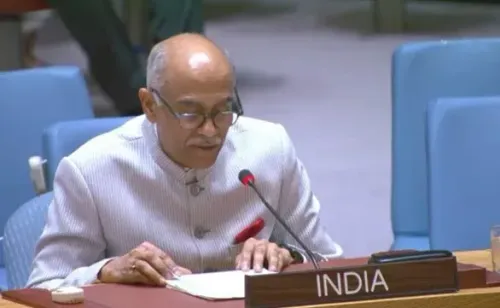
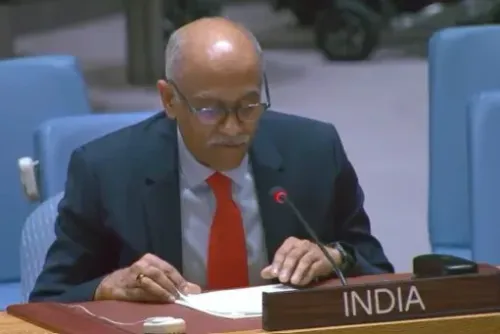
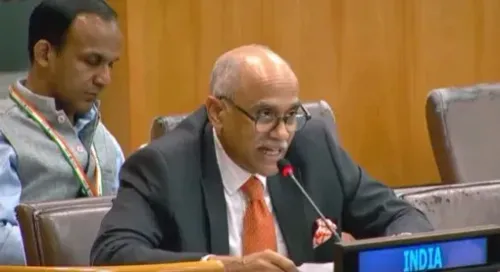
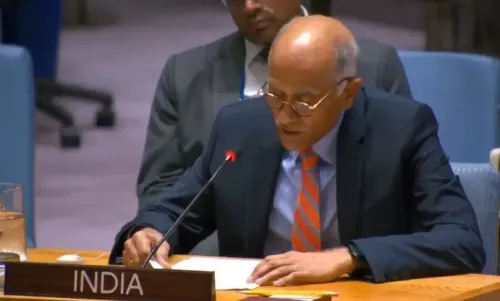
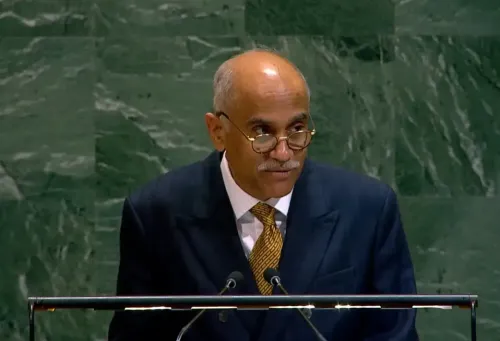
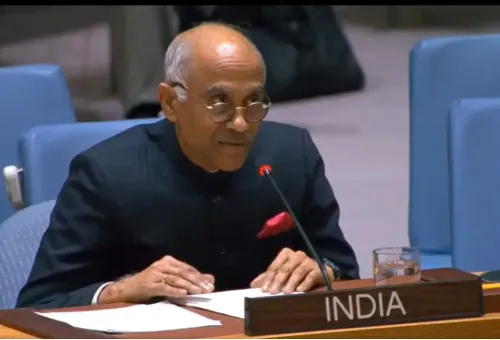
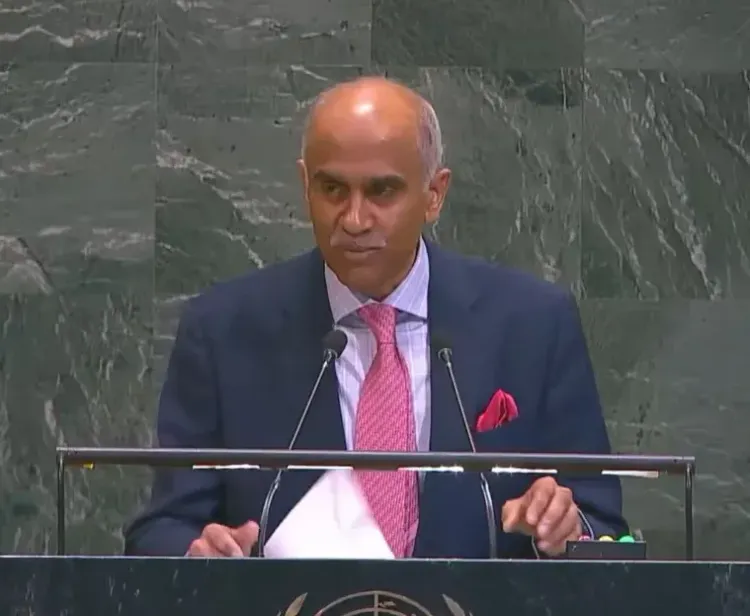
India on 6 June told the United Nations General Assembly that a 'marginal reform' of the UN Security Council was insufficient to meet contemporary global challenges, and that any meaningful overhaul must include the expansion of the permanent membership category. The statement was delivered during the General Assembly's discussion of the Security Council's Annual Report.
India's Core Argument
India's Permanent Representative P Harish told the General Assembly that the 1965 reform — which raised the number of non-permanent Council members from 11 to 15 — had failed to alter the Council's fundamental mode of functioning in any meaningful way. 'The marginal reform in the 1960s that expanded only the non-permanent category has not changed the fundamental mode of functioning of the Security Council in any impactful manner,' he said.
Harish was unequivocal that both categories must grow: 'Expansion of both permanent and non-permanent categories is central to implementing real and meaningful reform,' he stated.
A Structure Frozen in 1945
The Security Council continues to operate under an architecture drawn up in 1945 by the five principal victors of World War II — the United States, United Kingdom, France, Russia, and China — who awarded themselves permanent seats and veto powers. Since then, UN membership has grown from 51 to 193 countries, nearly quadrupling, as decolonisation reshaped the global order.
Notably, Africa — the continent that hosts the majority of Council-mandated peacekeeping operations — remains entirely excluded from the permanent membership category. Countries like India, now among the world's largest economies and a significant geopolitical actor, also hold no permanent seat.
Criticism of the Annual Report Format
Beyond membership, Harish criticised the format of the Council's annual report to the General Assembly, arguing it falls short of the transparency and accountability mandated by the UN Charter. He called for a more analytical document that highlights 'areas of improvement and gaps, if any, with regard to discharging Council's core mandate of maintenance of International Peace and Security.'
On peacekeeping specifically, he noted that while it remains a vital instrument of the Council, the report's template 'largely excludes finer points pertaining to operational modalities, associated challenges, the review of respective mandates etc with regard to peacekeeping.'
Why This Matters
India's push is part of a long-standing campaign — shared by the G4 nations (India, Brazil, Germany, Japan) — for a restructured Security Council that reflects 21st-century geopolitical realities. The current veto-wielding permanent five (P5) have repeatedly blocked substantive reform, creating a structural impasse that critics argue has eroded the Council's credibility and effectiveness on issues from climate security to regional conflicts.
This comes amid growing multilateral frustration with the Council's inability to act decisively on major crises, reinforcing the urgency behind India's call. How the broader UN membership responds to these arguments in the months ahead will shape the trajectory of Security Council reform negotiations.
Point of View
However well-intentioned, will not satisfy New Delhi or the G4. What's missing from the mainstream coverage of this speech is the structural contradiction it exposes: the very nations blocking permanent-seat expansion are the five that benefit most from the status quo. Until the P5's self-interest is directly addressed in reform negotiations, India's calls — however well-argued — risk remaining aspirational. The peacekeeping critique is equally significant; it signals that India wants accountability, not just representation.
NationPress
21 Oct 2026
Frequently Asked Questions
What did India say about UN Security Council reform at the General Assembly?
India's Permanent Representative P Harish told the UN General Assembly on 6 June that the Security Council's 1965 reform, which only expanded non-permanent seats, had not changed its fundamental functioning. He argued that expansion of both permanent and non-permanent membership categories is essential for real reform.
Why does India want permanent membership expansion at the UNSC?
India contends that the Security Council's structure, designed in 1945 by World War II's five main victors, no longer reflects global realities. With UN membership nearly quadrupled to 193 countries and nations like India emerging as major economic and geopolitical powers, the current P5-only permanent structure is seen as outdated and unrepresentative.
What was the 1965 UN Security Council reform?
The 1965 reform expanded the number of non-permanent Security Council members from 11 to 15 through a UN Charter amendment. However, it did not add any new permanent members or alter the veto powers held by the original five — the US, UK, France, Russia, and China.
Which regions are underrepresented in the UN Security Council?
Africa is notably excluded from permanent membership despite hosting the majority of Council-mandated peacekeeping operations. Major emerging economies including India, Brazil, Germany, and Japan also hold no permanent seats, a gap that reform advocates argue undermines the Council's legitimacy.
What else did India criticise in the Security Council's annual report?
India criticised the annual report's format for lacking analytical depth, calling for it to highlight gaps in the Council's core mandate of maintaining international peace and security. Harish specifically noted that the report inadequately covers peacekeeping operational modalities, associated challenges, and mandate reviews.