India Rejects Two-Tier UNSC Membership, Backs G4's 15-Year Veto Power Delay
Synopsis
In a pivotal move, India has rejected a two-tier permanent membership in the UNSC while endorsing a G4 proposal to delay veto powers for 15 years, aiming for equitable reform in the Council.
Key Takeaways
India opposes a two-tier permanent membership in the UNSC.
Support for the G4's proposal to defer veto powers for 15 years.
The G4 aims to foster constructive negotiations regarding UNSC reform.
Concerns about veto powers potentially complicating Council dynamics.
Historical injustices highlighted by the African group in membership discussions.
New Delhi, April 15 (NationPress) - India has firmly rejected the idea of a discriminatory, two-tier permanent membership structure within the United Nations Security Council. However, the country has shown support for a proposal from the G4 that suggests a 15-year postponement on the exercise of veto powers in any reformed structure.
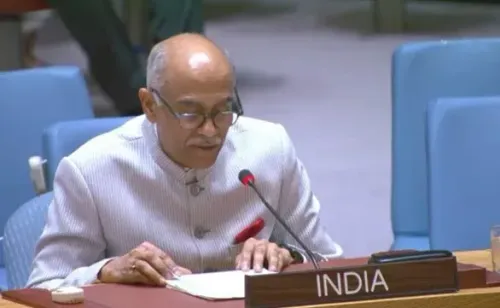
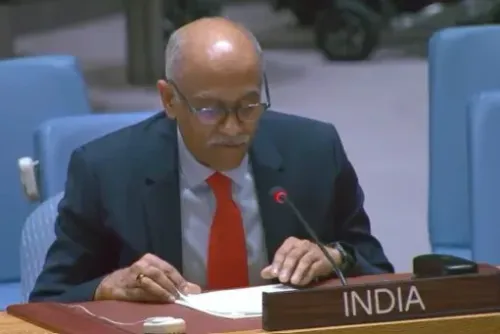
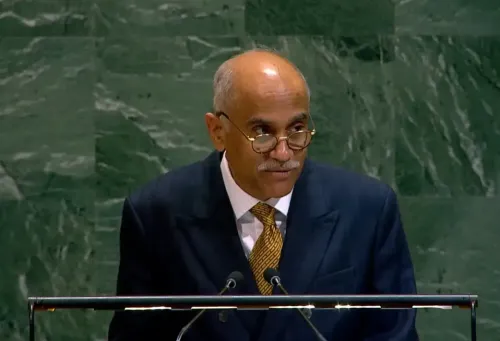
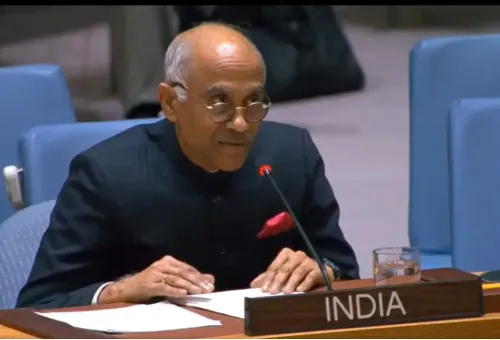
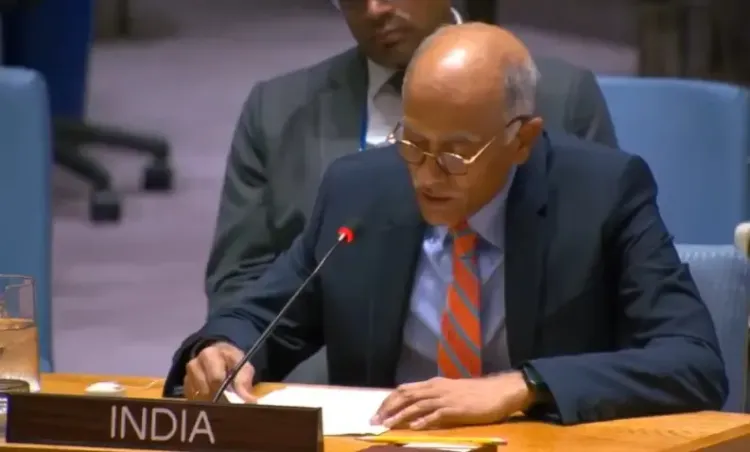
During a recent meeting, India's Permanent Representative, P. Harish, emphasized, "The expansion of the permanent membership category with veto rights is essential for genuine reform of the Security Council."
He further elaborated, stating, “Introducing a new category for permanent members, whether or not they have veto powers, would complicate an already intricate discussion that encompasses diverse perspectives.”
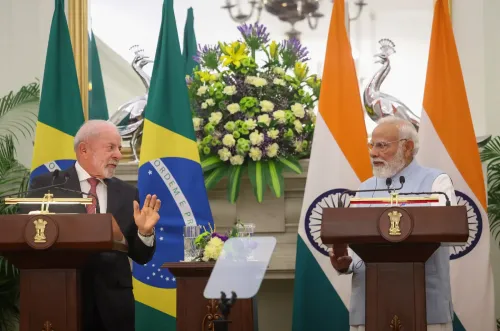
India is part of the G4, alongside Brazil, Germany, and Japan, a coalition advocating for reform in the Council and collectively supporting each other's bids for permanent seats.
Brazil’s Deputy Permanent Representative, Norberto Moretti, articulated the G4's position, suggesting that allowing new permanent members to refrain from using veto powers for the first 15 years would promote constructive dialogue.
He explained, “The issues surrounding veto powers and their implications on the Council's functionality should not be a reason to maintain its outdated composition or to propose solutions that could further entrench existing inequalities favoring the current permanent members.”
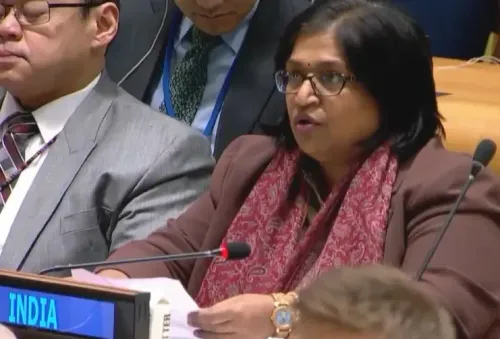
Several nations, including Italy and Pakistan, have expressed concerns that an increase in permanent members with veto powers could hinder the Council's efficiency.
Moretti argued that expanding the number of permanent members would shift the power dynamics within the Council, rendering it more democratic, even with a deferral of veto rights until a review after 15 years.
Harish highlighted that the only reform of the Council in 1965, which incorporated four non-permanent members, inadvertently granted a “relative advantage” to the five existing veto-holding permanent members.
This shift changed the ratio of permanent to non-permanent members from 5-6 to 5-10, and he cautioned that any reform without adding permanent members with veto powers would exacerbate this imbalance.
He concluded, “It is crucial to confine the reform scope to the current framework to expedite the reform process.”
Members of the African group, leading the charge for reform to rectify historical injustices that excluded them from permanent membership during the UN's inception, have called for new members to possess veto rights.
Point of View
India's decision reflects a commitment to achieving meaningful reform in the UN Security Council. By rejecting discriminatory practices and supporting a postponement of veto powers, India is advocating for a more balanced representation that addresses historical inequities.
NationPress
30 Sept 2026
Frequently Asked Questions
What is the G4 proposal related to UNSC?
The G4 proposal advocates for a 15-year deferment of veto powers for new permanent members in a reformed UN Security Council.
Why did India oppose a two-tier membership in the UNSC?
India opposed a two-tier membership as it viewed it as discriminatory and not conducive to genuine reform.
What are the concerns regarding veto powers?
Concerns exist that increasing the number of countries with veto powers could impair the Council's functionality.
Which countries are part of the G4?
The G4 consists of India, Brazil, Germany, and Japan, all advocating for reform in the UN Security Council.
What historical issue does the African group highlight in the reform discussions?
The African group emphasizes the historical exclusion of African nations from permanent membership during the UN's formation.