India urges UN members to pay dues on time, flags US-China delays
Synopsis
India called out delayed UN dues at the General Assembly's Fifth Committee, earning moral authority from its own consecutive place on the UN Honours List. With the US and China having nearly pushed the UN into a financial crisis, New Delhi's appeal — backed by a pointed stand on peacekeeping reimbursements and the 'capacity to pay' principle — signals a sharper Indian voice on the institution's fiscal governance.
Key Takeaways
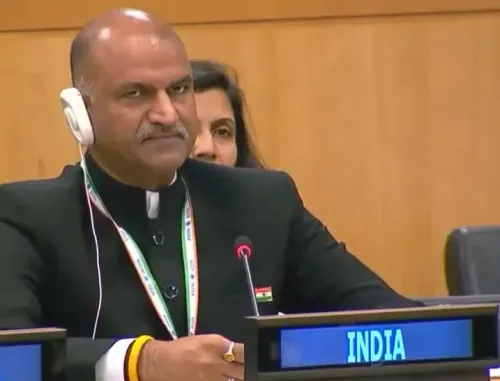
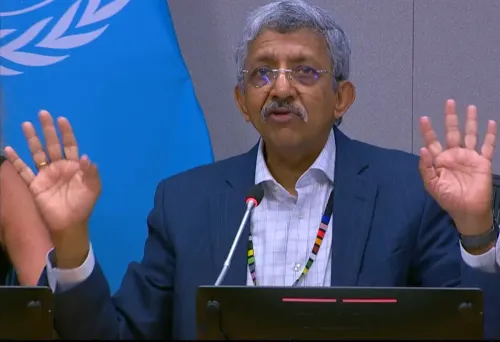
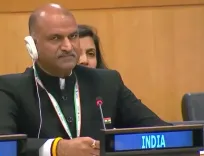
BJP MP Banshilal Gurjar urged all UN members to pay assessed contributions in full, on time, and without preconditions at the Fifth Committee on 6 October 2026 .
India has consecutively made the UN Honours List for prompt payment of its dues to the general budget.
Delayed payments by the United States and China — the two largest UN contributors — had brought the organisation to the brink of a financial crisis.
Gurjar raised concern over the UN's delayed reimbursements to troop-contributing countries , most of which are developing nations.
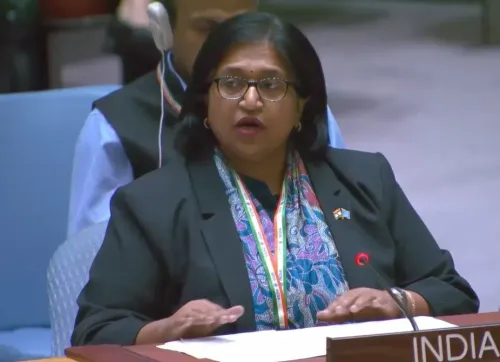
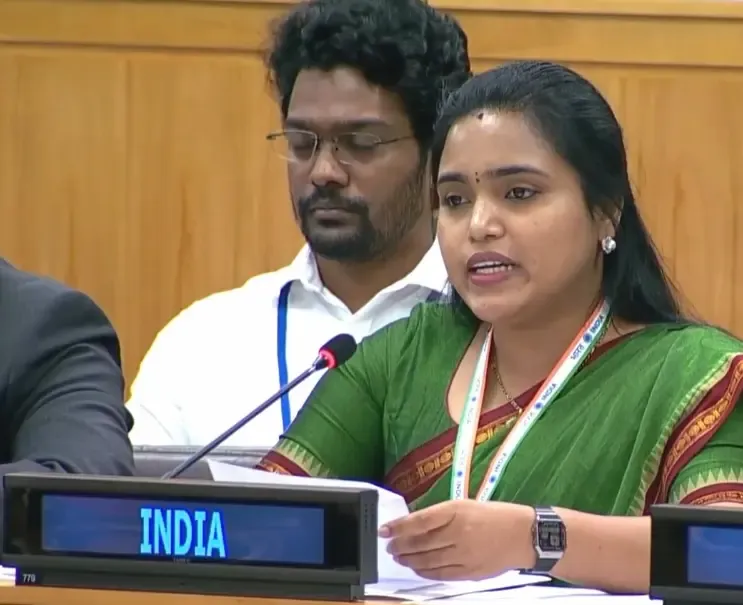
YSR Congress Party MP Gumma Thanuja Rani called for sustained funding of the UN's development agenda.
India reaffirmed the 'capacity to pay' principle as non-negotiable in apportioning member states' assessed dues.
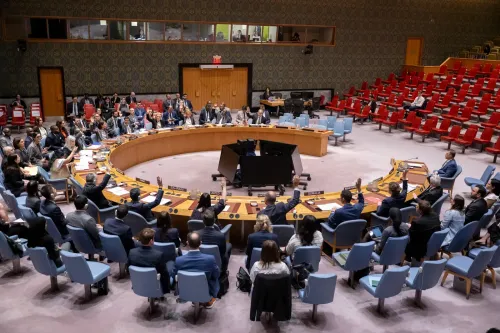
India on Monday, 6 October 2026, called on all United Nations member states to pay their assessed contributions in full, on time, and without preconditions, as the country itself earned a place on the UN 'Honours List' for consecutive prompt payments. The appeal came during a session of the General Assembly's Fifth Committee, which oversees the UN's budget and administrative matters.
What India Said at the Fifth Committee
Bharatiya Janata Party (BJP) MP Banshilal Gurjar, addressing the committee in Hindi with simultaneous translation into the five official UN languages, underscored India's consistent track record of honouring its financial obligations to the UN general budget. He stressed that assessed contributions must be paid in full, on time, and without conditions — a formulation widely read as an implied rebuke of members who attach political or policy riders to their dues.
Gumma Thanuja Rani, of the YSR Congress Party from Andhra Pradesh, also spoke at the same committee session, calling for the continuation of the reform agenda during the current General Assembly session and urging that adequate allocations be secured for the UN's development programmes.
The Funding Crisis Behind the Appeal
The Indian intervention comes against the backdrop of a deepening UN financial strain. Delayed payments by the United States and China — the two largest contributors to the UN budget — had pushed the organisation to the brink of a financial crisis. Washington subsequently paid a portion of its arrears, and Beijing cleared its full dues just before the high-level segment of the General Assembly last month. The episode exposed the structural vulnerability of an institution whose solvency depends on the willingness of its most powerful members to pay.
Concern Over Peacekeeping Reimbursements
Gurjar also raised a specific grievance on behalf of troop- and police-contributing countries. He expressed concern that the UN's delayed reimbursements to nations providing personnel for peacekeeping operations were effectively compelling developing countries to subsidise those missions. Most troop-contributing countries are from the developing world, and withheld or deferred UN payments mean they absorb operational costs that wealthier, dues-delinquent members should be covering.
India's Position on 'Capacity to Pay'
Reaffirming a long-standing Indian diplomatic principle, Gurjar reiterated that the apportionment of member states' assessed contributions must be based on their 'capacity to pay' — and underlined that this principle is non-negotiable for New Delhi. He warned against saddling developing nations with a disproportionate share of the UN's financial burden, particularly at a time when global development funding is already under pressure.
India's consistent appearance on the UN Honours List positions it as a credible advocate for financial discipline within the organisation — even as the broader UN funding architecture faces stress from delinquent major contributors. How the Fifth Committee responds to these calls in its current session budget deliberations will shape whether the UN can stabilise its finances heading into the next fiscal cycle.
Point of View
Not merely a payment problem. The 'capacity to pay' argument is also a quiet battle over burden-sharing — if major economies resist reform of the contribution formula, developing nations end up cross-subsidising peacekeeping missions they did not commission. India's voice here is not just diplomatic posturing; it is an attempt to reshape who bears the cost of global order.
NationPress
6 Oct 2026
Frequently Asked Questions
Why did India urge UN members to pay their dues on time?
India made the appeal at the UN General Assembly's Fifth Committee on 6 October 2026 to reinforce financial discipline within the organisation, which has faced recurring shortfalls due to delayed payments by major contributors. BJP MP Banshilal Gurjar highlighted India's own record of prompt payment as the basis for its call.
What is the UN Honours List for dues payments?
The UN Honours List recognises member states that pay their assessed contributions to the general budget in full and on time. India has made the list consecutively, placing it among the most financially compliant members of the organisation.
How did US and China delays affect the UN financially?
Delayed payments from the United States and China — the two largest UN contributors — had pushed the organisation to the edge of a financial crisis. Washington subsequently paid a portion of its dues, and China cleared its full contribution just before the high-level General Assembly session last month.
What is India's concern about peacekeeping reimbursements?
India flagged that the UN's slow reimbursements to troop- and police-contributing countries — most of which are developing nations — effectively forces them to finance peacekeeping operations indirectly, while some wealthier members delay or withhold their dues.
What is the 'capacity to pay' principle that India supports?
The 'capacity to pay' principle holds that each UN member's assessed contribution should be proportional to its economic capacity. India has reiterated that this is a non-negotiable basis for apportioning dues, arguing that developing countries must not bear a disproportionate share of the UN's financial burden.