India flags peacekeeping as top priority in UNSC 2028-29 candidacy
Synopsis
India is formally anchoring its UNSC 2028-29 candidacy around peacekeeping — a strategic move backed by an unmatched record of 300,000-plus troops across 50 missions. But beyond the seat, New Delhi is pushing a structural reform: giving troop-contributing nations a binding voice in mandate-setting, a demand that cuts to the heart of how the Security Council governs the operations that soldiers from the Global South actually fight and die in.
Key Takeaways
India has identified UN peacekeeping as a priority for its UNSC 2028-29 candidacy ; elections are scheduled for 2027 .
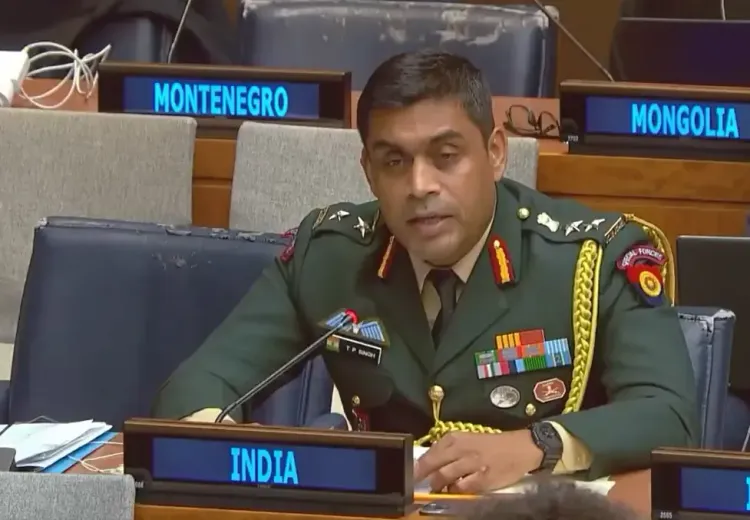
Colonel Tarunendra Pratap Singh made the declaration at the UN General Assembly's Fourth Committee on 6 November 2026 .
India has deployed more than 300,000 troops across 50 missions , making it the largest troop contributor in UN peacekeeping history.
184 Indian peacekeepers have died in UN operations.
India piloted a UNSC resolution in August 2021 calling for accountability for crimes against peacekeepers and pledged to continue that leadership.
India is demanding an institutional mechanism giving troop and police contributing countries a structured voice in shaping Council mandates before they are adopted or reviewed.
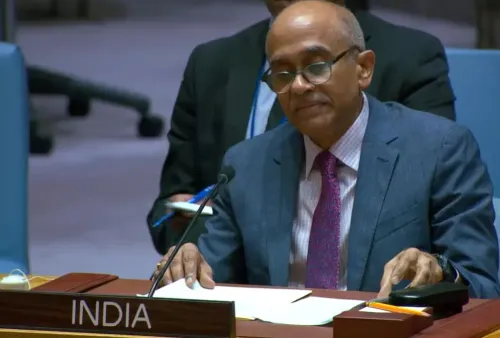
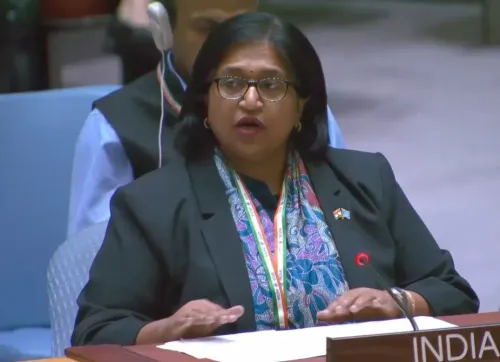
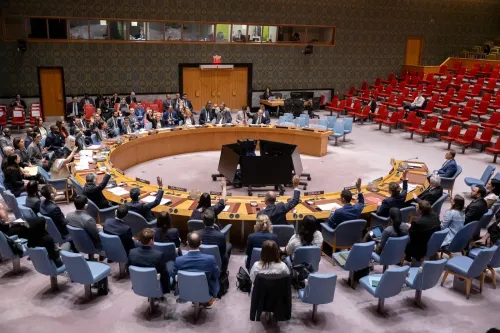
India has formally identified UN peacekeeping as a central priority in its bid for a non-permanent seat on the United Nations Security Council (UNSC) for the term 2028-29, reaffirming its commitment to strengthening operations and safeguarding peacekeepers. The declaration was made at the United Nations in New York on 6 November 2026, underlining New Delhi's intent to leverage its record as the world's largest troop contributor to bolster its candidacy.
India's Case at the UN Fourth Committee
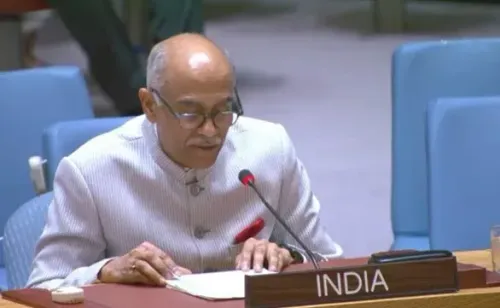
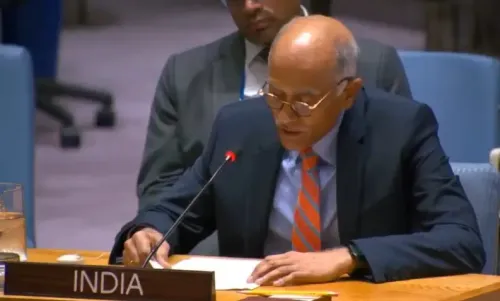
Colonel Tarunendra Pratap Singh, the military adviser at India's UN mission, addressed the annual debate on the comprehensive review of peacekeeping operations at the General Assembly's Fourth Committee — the body that handles special political and decolonisation matters. 'It is because we regard peacekeeping as irreplaceable to this institution's core purpose that India has identified it as a priority for our candidacy for the Security Council for the term 2028-29,' he said.
The elections for that Council term are scheduled for next year. Singh underscored that India has deployed more than 300,000 troops across 50 missions, making it the largest troop contributor to UN peacekeeping in history.
Accountability for Attacks on Peacekeepers
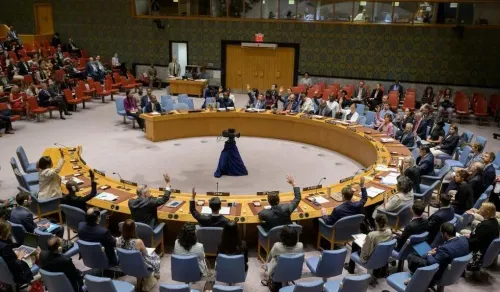
Singh recalled India's role during its previous Council membership, noting that during India's Council presidency in August 2021, New Delhi piloted a landmark resolution calling for accountability for crimes against peacekeepers. The resolution described targeted attacks on peacekeepers as a 'major challenge' to UN operations and urged all host countries to 'promote accountability for the killing of, and all acts of violence against United Nations personnel serving in peacekeeping operations.'
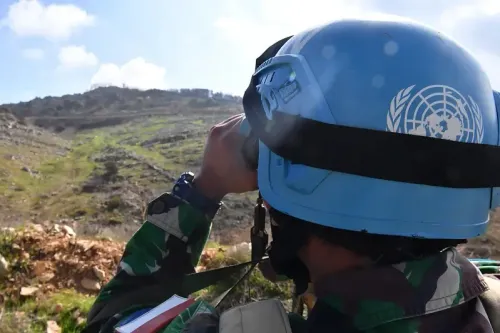
'The UN's blue helmets today face asymmetric and technologically enabled threats and those who attack peacekeepers must be held accountable,' Singh said, adding that 184 Indians have made the supreme sacrifice in UN operations. India has pledged to continue its leadership on this issue in any future Council term.
Calls for Structured Voice for Troop Contributors
A key reform demand from India is an institutional mechanism that gives troop and police contributing countries (TCCs/PCCs) a structured say in shaping the mandates set for them by the Security Council. Singh argued that consultations with TCCs and PCCs must take place before mandates are adopted or reviewed — a long-standing demand from major contributors who have felt sidelined in mandate-drafting processes dominated by the Council's permanent members.
'Troop and police contributing countries should have a structured voice in shaping the mandates,' he said, stressing that operations are most likely to succeed when backed by a 'broader political process with a clearly envisioned political outcome and commensurate resources for peacekeepers.'
Resources and Capability at the Point of Authorisation
India also called for capability enhancement and adequate resourcing to be guaranteed at the point of mandate authorisation, rather than left as an afterthought. Singh stressed the need for a 'better resourced, better protected, and more representative' peacekeeping architecture — framing India's candidacy not just as an aspiration for a Council seat but as a platform for systemic reform.
This comes amid broader global debates over the effectiveness and funding of UN peacekeeping, with several missions facing resource constraints and mandate ambiguities. India's push aligns with a wider coalition of troop-contributing nations from the Global South seeking greater influence over decisions that commit their soldiers to volatile theatres.
As the UNSC election approaches, India's campaign will likely hinge on converting its unmatched operational record into concrete institutional reforms — a test of whether troop contributions alone can translate into decision-making clout at the world's most consequential security table.
Point of View
So leading with that credential is rational. But the more consequential ask is the structural one: a formal consultative mechanism for troop contributors before mandates are set. The P5 have historically resisted this, treating mandate-drafting as a Council prerogative. Whether India can convert its deployments into decision-making leverage will be the real test of this candidacy, and of whether the UN's peacekeeping architecture can be reformed from within rather than just applauded from the outside.
NationPress
6 Nov 2026
Frequently Asked Questions
Why is India seeking a UNSC seat for the 2028-29 term?
India is seeking a non-permanent seat on the UN Security Council for the 2028-29 term, with peacekeeping identified as a central pillar of its candidacy. New Delhi argues its record as the largest troop contributor in UN peacekeeping history — over 300,000 troops across 50 missions — gives it both the credibility and the stake to shape global security decisions.
When will the UNSC elections for the 2028-29 term be held?
The elections for the UN Security Council's 2028-29 non-permanent seats are scheduled to be held in 2027. India has been actively campaigning, with its UN mission articulating specific peacekeeping reform priorities at the General Assembly's Fourth Committee.
What reforms is India demanding for UN peacekeeping?
India is calling for an institutional mechanism that gives troop and police contributing countries a structured voice in shaping Security Council mandates before they are adopted or reviewed. India also wants peacekeeping operations to be better resourced and protected, with capability enhancements guaranteed at the point of mandate authorisation, not as an afterthought.
What is India's peacekeeping record at the United Nations?
India has deployed more than 300,000 troops across 50 UN missions, making it the largest troop contributor in the history of UN peacekeeping. A total of 184 Indian peacekeepers have died in service. During its last Council term, India also piloted a 2021 resolution demanding accountability for attacks on peacekeepers.
What did the 2021 UNSC resolution piloted by India say about peacekeepers?
The resolution, adopted during India's Security Council presidency in August 2021, described targeted attacks on peacekeepers as a 'major challenge' to UN operations. It urged all countries hosting peacekeeping missions to promote accountability for killings and all acts of violence against UN personnel, and called for those responsible to be brought to justice.