Is 2025 a Crucial Year for India-US Relations?
Synopsis
The evolving dynamics between India and the US in 2025 reveal a complex landscape of challenges and progress, especially with rising tariffs and renewed US-Pakistan ties. As both nations navigate these tensions, notable advancements in defense and technology continue to shape their strategic partnership.
Key Takeaways
2025 marks a challenging yet pivotal year for India-US relations.
High tariffs and US-Pakistan engagement are significant hurdles.
Notable advancements in defense and technology cooperation are occurring.
Trade dynamics remain uneven, with Indian exports rising sharply.
The relationship is viewed as critical for both nations in the modern geopolitical landscape.
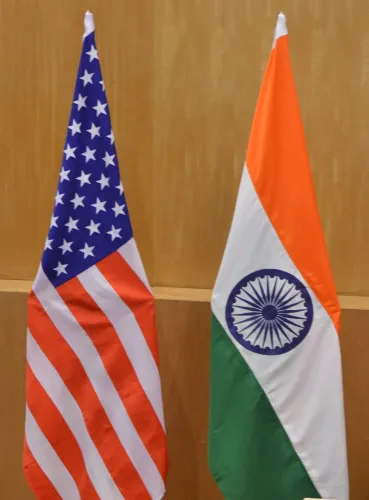
Washington, Dec 23 (NationPress) The year 2025 is turning out to be a critical period for India-United States relations, characterized by significant trade tensions and a renewed focus of the US on Pakistan. Despite these challenges, both nations have made notable advancements in defense, technology, and energy cooperation, according to an influential policy expert on India-US affairs.
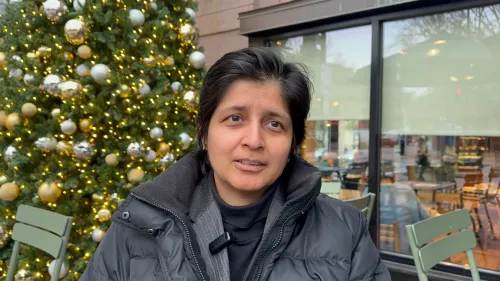
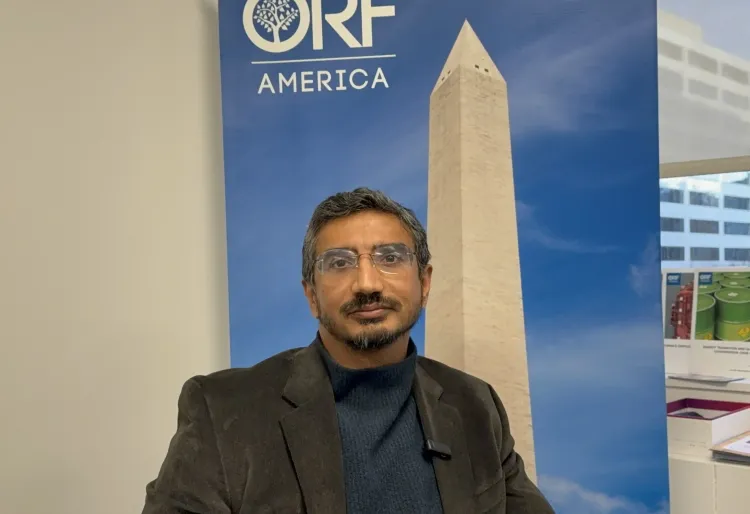
“2025 is a pivotal year for India-US relations,” stated Dhruva Jaishankar, executive director of the Observer Research Foundation America, during an interview with IANS. He highlighted what he sees as the two most pressing challenges facing the partnership.
“The foremost issues… are the high tariffs, which remain at 50 percent for India, among the steepest imposed by the US globally, consequently disadvantaging Indian exporters,” he elaborated. The second challenge, Jaishankar noted, is the “renewed high-level engagement of US-Pakistan relations led by Pakistan's military leadership.”
He observed that these factors have contributed to a “decline in trust” between the US and India, even though the year began on a “very optimistic note.”
Nonetheless, Jaishankar pointed out that 2025 has also been “ironically a fruitful year for US-India relations in certain aspects,” with key developments that haven't received widespread attention.
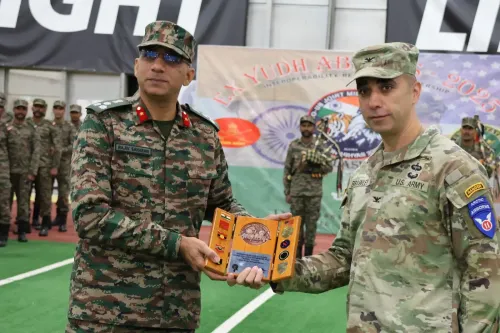
“We have experienced breakthroughs in defense,” he mentioned, referring to the new US-India defense framework, expanded military exercises involving all three services, and ongoing defense sales. Additionally, he noted that this year has been “historic for AI investments from the US to India,” along with advancements in space collaboration and energy partnerships, including “a major agreement” on liquefied petroleum gas.
“Thus, it presents a mixed situation,” said Jaishankar. “The headlines have been negative, rightfully so… but beneath the surface, productive progress has occurred in specific areas.”
Trade remains the most evident and politically sensitive divergence. Jaishankar indicated that India initiated negotiations “very early with the Trump administration in February, March,” with high expectations for a conclusion by April after Vice President JD Vance’s visit to India.
“The terms of reference were signed between the US and India, indicating advanced discussions,” he stated.
He credited delays to disagreements over operational matters and the intertwining of unrelated issues with trade negotiations. “Concerns like India’s purchases of Russian oil became entangled in the trade discussions,” he added, noting that the deal is “within reach” but hampered by “political factors rather than economic ones.”
Jaishankar further mentioned that India has finalized trade agreements with the UK, Oman, and New Zealand, resumed discussions with Canada, and made strides with the European Union and Israel. “The offer remains available, but there is a growing sense of frustration in New Delhi,” he said.
Despite high tariffs, bilateral trade flows have continued to grow unevenly. Jaishankar revealed that Indian exports to the US surged “almost 25 percent” in the first eight months of 2025, while US exports to India saw only a three percent increase.
“Thus, President Trump’s goal of balancing trade between the US and India is not being achieved,” he remarked, adding that while certain sectors and companies have been affected, “overall, the impact has not been as severe as many anticipated.”
In the closing months of 2025, Prime Minister Modi and President Trump communicated “at least four times,” and cabinet-level interactions resumed after a hiatus, indicating efforts from both sides to stabilize relations, he mentioned.
“There has been a revival of cabinet-level dialogues and meetings between both nations,” he noted, highlighting “some beneficial agreements on defense and energy.”
However, the simultaneous revival of US-Pakistan relations has unsettled New Delhi. Jaishankar described the relationship as “still fundamentally quite thin,” emphasizing that there has been no resumption of significant US defense sales to Pakistan and that bilateral trade remains limited.
“Yet, there are two perspectives on the Pakistan relationship,” he said. One involves military-to-military cooperation, with Pakistan positioning itself as “useful for specific contingencies for the US and the Middle East,” including Afghanistan, Iran, Gaza, and the security of Saudi Arabia.
“The second aspect,” he continued, involves Pakistan providing economic opportunities, particularly in “critical minerals, cryptocurrency, and various other sectors.” While this has led to some US lending and off-take arrangements, Jaishankar emphasized that it remains “quite minor compared to the US-India economic relationship.”
Over the past two decades, India and the US have cultivated a multifaceted partnership encompassing defense, technology, education, and cultural exchanges. Despite occasional turbulence, both governments have consistently referred to this relationship as one of the most consequential of the 21st century.
Washington and New Delhi continue to share aligned interests in the Indo-Pacific, even as trade disputes and regional geopolitics challenge the strength of their strategic alignment.
Point of View
The relationship between India and the US remains crucial for both nations amid rising tensions and geopolitical challenges. While the current landscape presents hurdles, the enduring partnership in defense, technology, and shared interests in the Indo-Pacific signifies a commitment to navigating these complexities together.
NationPress
2 Oct 2026
Frequently Asked Questions
What are the main challenges facing India-US relations in 2025?
The primary challenges include high tariffs imposed by the US on Indian imports and the renewed engagement of US-Pakistan relations, which has led to some erosion of trust between the two countries.
How have trade dynamics between India and the US changed in 2025?
Despite high tariffs, Indian exports to the US have grown significantly, while US exports to India have seen a modest increase, indicating a complex trade relationship.
What advancements have been made in defense cooperation between India and the US?
In 2025, both nations have achieved important breakthroughs in defense, including a new defense framework, expanded military exercises, and continued defense sales.
What is the significance of US-Pakistan relations for India?
The renewed high-level engagement between the US and Pakistan has unsettled India, although the substantive nature of their relationship remains thin, with no significant US defense sales to Pakistan.
How do India and the US view their relationship in the context of global politics?
Both countries regard their partnership as one of the most consequential of the 21st century, sharing common interests in the Indo-Pacific region despite facing various geopolitical challenges.