India-US ties in 'tactical stabilisation', not reset: Ex-White House aide
Synopsis
A former White House India hand has a blunt verdict on the Rubio visit: symbolic, not transformative. India-US ties are in 'tactical stabilisation', not a reset, with strategic mistrust intact. The trade joint statement and Shanti Act are real wins — but without a Quad leaders' summit, ambition stays capped.
Key Takeaways
Ex-White House official Basant Sanghera calls India-US ties a phase of ‘tactical stabilisation’ , not a strategic reset.
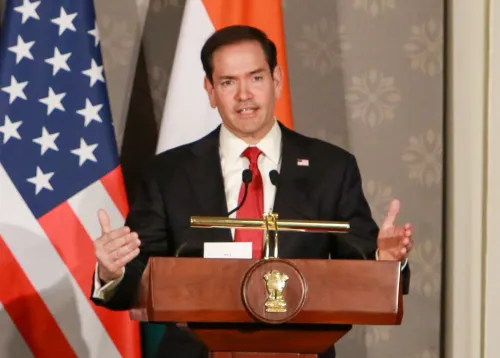
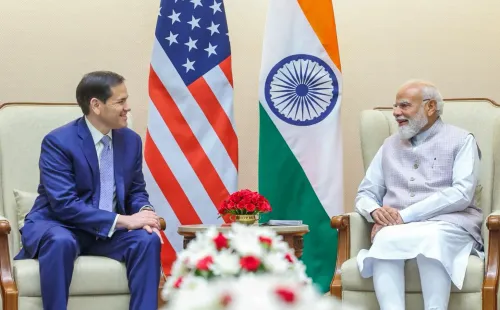
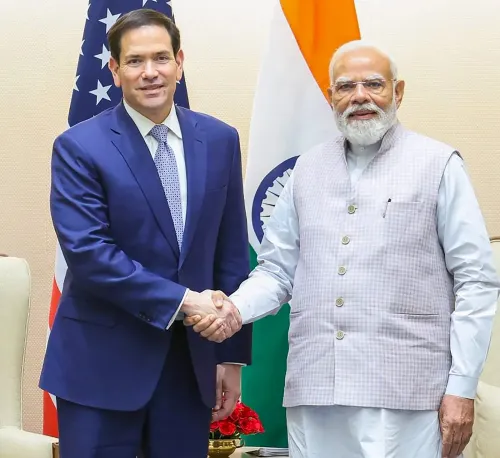
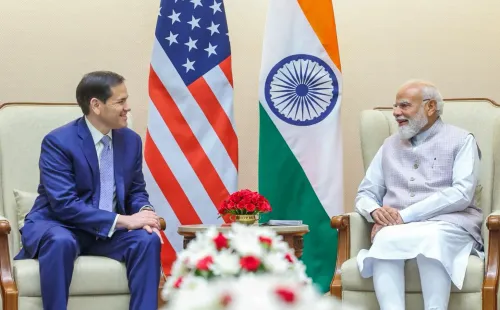
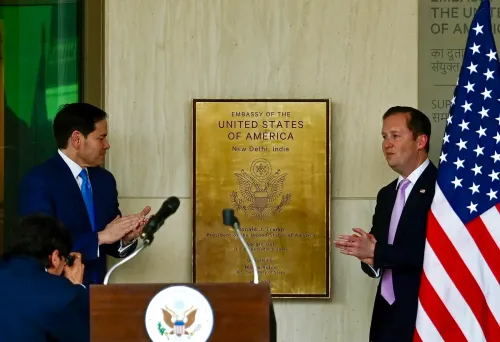
Secretary of State Marco Rubio's first India visit was symbolically important but unlikely to shift the fundamental paradigm.
Concrete wins in the last six months: an initial joint statement on a trade deal and India's Shanti Act advancing civil nuclear cooperation.
Absence of a Quad leaders' summit for 18 months has slowed grouping's momentum; one is still possible in Trump's term.
Sanghera says US-India ties are the most politicised in India since the 2006 civil nuclear deal debate.
He rules out a wider US-Pakistan reset , citing structural irritants including Pakistan's strategic missile programme.
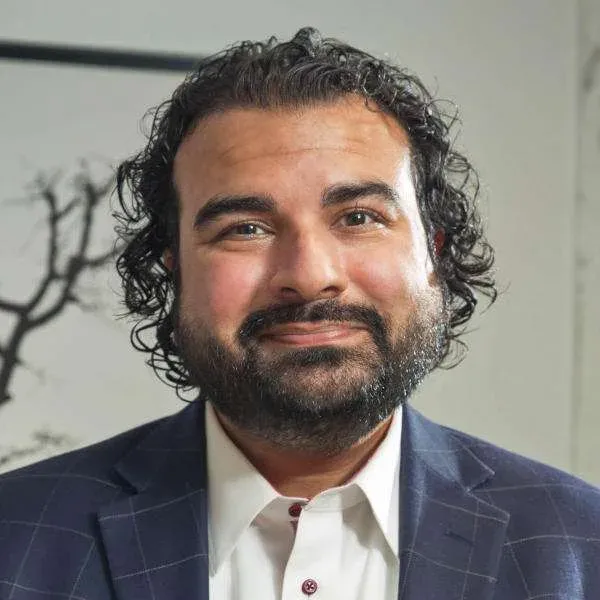
India-US relations are in a phase of ‘tactical stabilisation’ rather than a strategic reset, with lingering mistrust continuing to weigh on the partnership despite recent breakthroughs on trade and civil nuclear cooperation, former White House and State Department India expert Basant Sanghera has said. Speaking from Washington on 4 June after Secretary of State Marco Rubio's first India visit, Sanghera said the trip carried symbolic weight but was unlikely to alter the underlying paradigm.
What the former official said
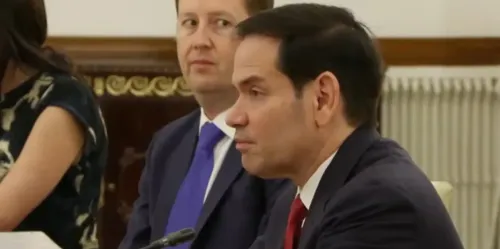
“I think it's good that the secretary visited India. It was his first visit as Secretary of State. It's important he did a Quad foreign ministers meeting, particularly given there has been no leader-level summit,” Sanghera said in an interview.
“In terms of long-term impact, I think it'll be very minimal. We're sort of in a period of tactical stabilisation in US-India, but there's also a level of strategic mistrust. That sort of fundamental paradigm hasn't changed,” he added.
Sanghera, now Managing Principal at The Asia Group, previously served on the India Desk at the State Department and as Director for India and the Indian Ocean at the White House National Security Council.
Quad momentum and the missing summit
Sanghera said the absence of a Quad leaders' summit over the past 18 months has visibly slowed the grouping's momentum. “If you don't have that action-forcing function, that impacts tangible cooperation,” he noted, adding that while the Quad would continue, “the level of ambition will be lower absent that sort of leader-level attention.”
Asked if a Quad summit could still happen during President Donald Trump's current term, he said, “There's a chance,” crediting Ambassador Sergio Gor as “a strong proponent for the relationship” with “a keen interest in making that happen.”
Trade deal and the Shanti Act: the wins
Despite the headwinds, Sanghera flagged two concrete gains in the last six months — the initial joint statement on a trade deal and India's passage of the Shanti Act, which he said marked a breakthrough in operationalising long-stalled elements of the US-India civil nuclear partnership.
“In any sort of normal period of time, those two accomplishments would be seen as major milestones for the US-India relationship. So I give the administration credit where it's due. Those were significant,” he said.
The irritants pulling the relationship down
Sanghera described a “perfect storm of irritants” — trade frictions, tariffs and regional issues, particularly those tied to Pakistan — as creating a sustained drag on bilateral ties. He also pointed to a sharper domestic political contest in India over the relationship itself.
“I haven't seen domestically in India the US-India ties this politicised since the Bush era during the civil nuclear deal around circa 2006,” he said.
On Pakistan: no reset, but structural concerns
On Washington's renewed engagement with Islamabad, Sanghera said many in India had expected reduced US attention to Pakistan, given this is the first US administration in nearly 25 years not to inherit a war in Afghanistan. “There was an expectation that this would create less policy compulsions on the US side vis-a-vis Pakistan,” he said.
However, he pushed back on the idea of a broader realignment. “Does this portend some sort of wider reset in the US-Pakistan relationship? I don't think so. There are still a lot of structural irritants in that relationship,” he said, citing Pakistan's strategic missile programme and longstanding US worries over its long-range missile capabilities.
The bigger picture
India and the United States have steadily deepened cooperation over the past two decades across defence, technology, energy and the Indo-Pacific, with broad bipartisan backing in Washington making the partnership a central pillar of US engagement in Asia. Whether the current stabilisation phase converts into a genuine strategic upgrade is likely to hinge on whether a Quad leaders' summit materialises before Trump's term ends.
Point of View
Not reset — is the most honest read on where India-US ties actually sit. The Rubio visit and the Shanti Act are real, but they are floor-setters, not ceiling-raisers. The missing leaders' summit is the tell: without that action-forcing event, the Quad drifts and so does the bilateral. India should bank the trade and nuclear wins, but plan for a relationship that runs on tactical bursts rather than strategic momentum for the rest of this Trump term.
NationPress
18 Oct 2026
Frequently Asked Questions
What did Basant Sanghera say about India-US relations?
Former White House and State Department India expert Basant Sanghera said India-US ties are in a phase of 'tactical stabilisation' rather than a strategic reset, with lingering mistrust still shaping the relationship. He spoke after Secretary of State Marco Rubio's first India visit.
Why is the absence of a Quad leaders' summit significant?
Sanghera said the lack of a leader-level Quad summit removes an 'action-forcing function' that drives tangible cooperation. While the grouping continues, its level of ambition stays lower without leader-level attention, though a summit during Trump's term remains possible.
What is the Shanti Act and why does it matter?
The Shanti Act is recent Indian legislation that Sanghera said marks a breakthrough in operationalising parts of the long-stalled US-India civil nuclear partnership. He called it one of two major milestones of the last six months alongside the initial joint statement on a trade deal.
Is the US resetting its relationship with Pakistan?
Sanghera rejected the idea of a wider US-Pakistan reset, saying structural irritants remain — including Pakistan's strategic missile programme and long-range missile capabilities. He noted this is the first US administration in nearly 25 years without an inherited war in Afghanistan.
How politicised has the India-US relationship become in India?
Sanghera said he has not seen the India-US relationship this politicised domestically in India since the Bush-era debate around the civil nuclear deal in roughly 2006. He flagged trade, tariffs and Pakistan-linked regional issues as key irritants.