India's IPU delegation departs for Tanzania's 153rd Assembly
Synopsis
A nine-member Indian parliamentary delegation led by Rajya Sabha Deputy Chairman Harivansh has flown to Arusha for the 153rd IPU Assembly — India's latest signal that parliamentary diplomacy, not just executive diplomacy, is central to its multilateral strategy. The agenda spans AI governance, climate, critical minerals, and the election of a new IPU President.
Key Takeaways
Harivansh , Deputy Chairman of the Rajya Sabha , leads India's delegation to the 153rd IPU Assembly in Arusha, Tanzania .
The assembly runs from 5 to 9 October ; the delegation departed on 3 October .
The nine-member team includes MPs Anurag Thakur , Aparajita Sarangi , Sasmit Patra , Sanjay Jaiswal , Kamaljeet Sehrawat , Lata Wankhede , Bijuli Kalita Medhi , and N.
Agenda topics include AI and the future of work , climate change , critical minerals , counter-terrorism , and maritime security .
Harivansh will attend the IPU Governing Council and a hearing for candidates for IPU President .
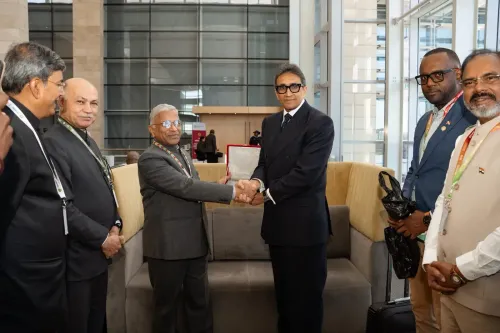
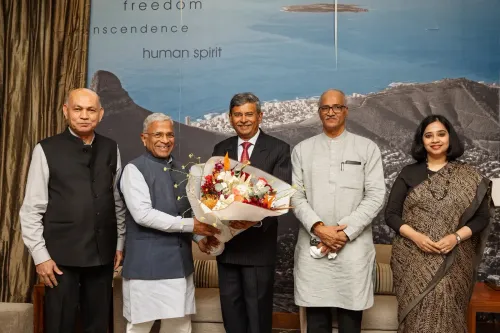
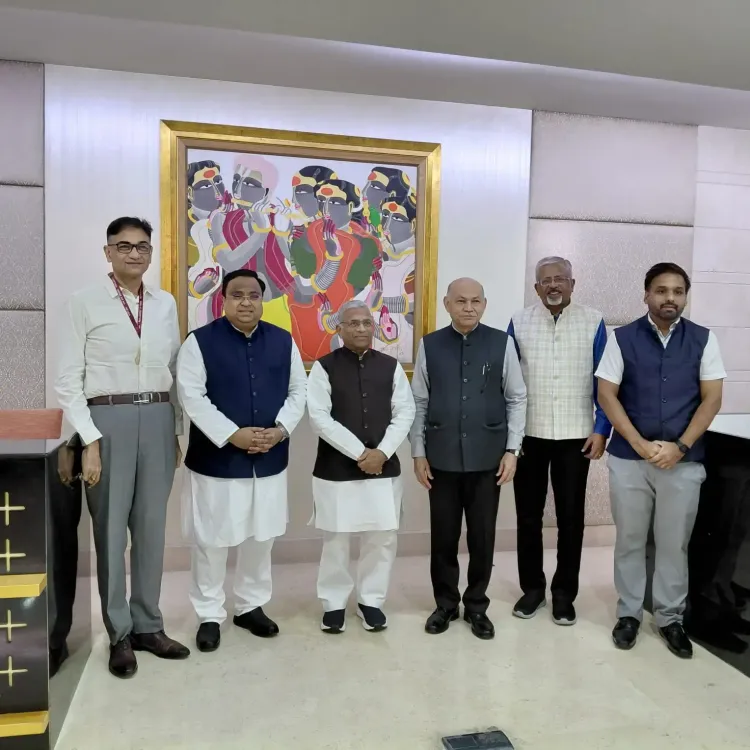
An Indian parliamentary delegation led by Harivansh, Deputy Chairman of the Rajya Sabha, departed for Arusha, Tanzania on Saturday, 3 October to attend the 153rd Assembly of the Inter-Parliamentary Union (IPU) and associated meetings scheduled from 5 to 9 October. The delegation will represent India in one of the world's foremost forums for multilateral parliamentary dialogue.
Who Is in the Delegation
The nine-member delegation includes Anurag Thakur, Aparajita Sarangi, Sanjay Jaiswal, Kamaljeet Sehrawat, Lata Wankhede, and Bijuli Kalita Medhi — all Members of Parliament from the Lok Sabha — alongside Sasmit Patra from the Rajya Sabha and N. K. Premachandran from the Lok Sabha. Harivansh leads the group as head of delegation.
Assembly Theme and Agenda
The 153rd IPU Assembly is convened around the theme 'Enhancing good governance and empowering communities through inclusivity, trust and opportunities for all.' According to the Rajya Sabha Secretariat, the Indian delegation will take part in a wide range of panel discussions and workshops covering topics of contemporary global relevance.
Subject areas on the agenda include democracy and human rights, peace and international security, sustainable development, women's participation, science and technology, counter-terrorism, health and mental health, critical minerals, artificial intelligence and the future of work, maritime security, climate change, and the protection of mountain and ocean ecosystems.
Harivansh's Specific Role
Deputy Chairman Harivansh is scheduled to participate in the IPU Governing Council, the General Debate, the debate on the emergency item, and a hearing with candidates vying for the position of IPU President. His engagement at the Governing Council level signals India's active stake in shaping the union's institutional direction.
India's Broader Diplomatic Signal
The Rajya Sabha Secretariat noted that the delegation's participation 'reflects India's continued engagement with the IPU and its commitment to parliamentary diplomacy, multilateral dialogue and cooperation among parliaments on issues affecting global peace, development, democracy and the empowerment of communities.' This comes amid India's broader push to deepen its presence in multilateral forums, following its G20 presidency in 2023 and active engagement at the United Nations. The IPU, founded in 1889, counts over 180 member parliaments and remains a principal venue for inter-parliamentary cooperation on global governance challenges.
The outcomes of the Arusha assembly, particularly on AI governance and climate frameworks, are expected to feed into India's domestic parliamentary deliberations in the coming months.
Point of View
Cross-party delegation — including MPs from both houses — at the IPU Assembly is a deliberate show of parliamentary depth, not just executive reach. The agenda items, particularly on AI governance and critical minerals, are areas where India's domestic policy is still evolving, making Arusha a quiet but consequential listening post. What the delegation says on counter-terrorism and maritime security will also be watched in the context of India's ongoing neighbourhood tensions. The IPU platform rarely generates headlines, but it shapes the norms that eventually land in domestic legislation — and India's consistent presence there reflects a long-game approach to multilateral standard-setting.
NationPress
3 Oct 2026
Frequently Asked Questions
What is the 153rd IPU Assembly?
The 153rd Assembly of the Inter-Parliamentary Union (IPU) is a global gathering of parliamentarians from over 180 member parliaments, held in Arusha, Tanzania from 5 to 9 October. The assembly's theme is 'Enhancing good governance and empowering communities through inclusivity, trust and opportunities for all.'
Who is leading India's delegation to the IPU Assembly?
Harivansh, the Deputy Chairman of the Rajya Sabha, is leading the Indian parliamentary delegation to Arusha. The nine-member team includes MPs from both the Lok Sabha and the Rajya Sabha.
Which topics will India's delegation discuss at the IPU Assembly?
The delegation will engage in discussions on democracy, human rights, peace and international security, sustainable development, women's participation, artificial intelligence, critical minerals, counter-terrorism, maritime security, and climate change, among other subjects.
What is Harivansh's specific role at the IPU Assembly?
Deputy Chairman Harivansh will participate in the IPU Governing Council, the General Debate, the emergency item debate, and a hearing for candidates seeking the position of IPU President — placing India at the centre of the union's governance discussions.
Why does India's participation in the IPU Assembly matter?
India's consistent engagement with the IPU signals its commitment to parliamentary diplomacy alongside executive-level multilateralism. The Arusha agenda covers issues — AI governance, critical minerals, maritime security — that directly intersect with India's domestic and foreign policy priorities.