Indians in Saudi Arabia told to stay indoors amid aerial attacks; Embassy opens 24x7 helpline
Synopsis
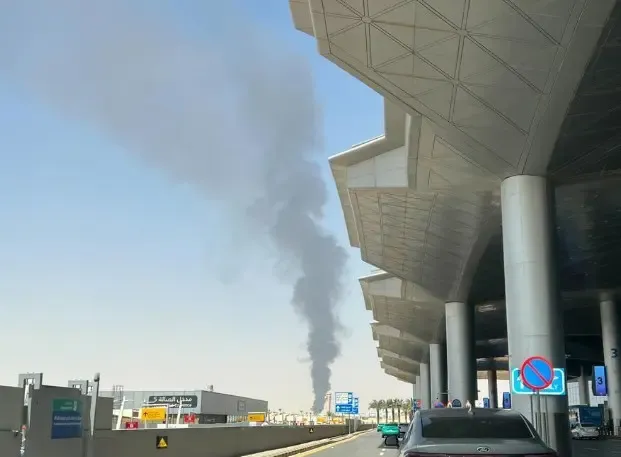
The Indian Embassy in Riyadh has activated a 24x7 emergency helpline and ordered nationals to stay indoors amid aerial attacks — a direct fallout of the 10 October strike on King Khalid International Airport that killed 12 and injured 309. With four Indians still in the ICU and the security situation described as 'evolving', over 2.4 million Indian expatriates in Saudi Arabia are on high alert.
Key Takeaways
The Indian Embassy in Riyadh issued a safety advisory on 13 October , urging Indian nationals to stay indoors during aerial attacks and follow local authority instructions.
A 24x7 Control Room has been activated by the Embassy to assist the Indian community in Saudi Arabia .
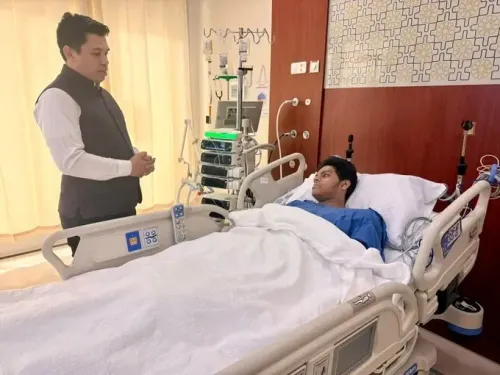
Of the Indians injured in the 10 October airport strike, four remain in the ICU , four are in the general ward, and three have been discharged.
Mohammed Yousuf Ali , an Indian national, died in the attack; his funeral was held in Riyadh on 12 October .
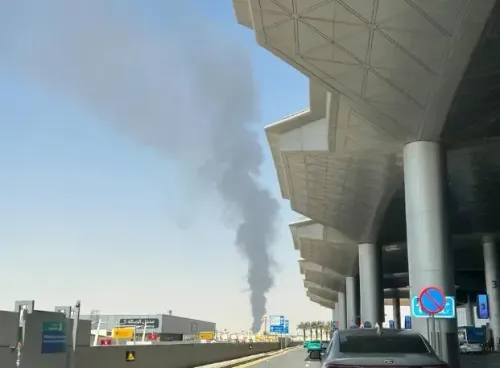
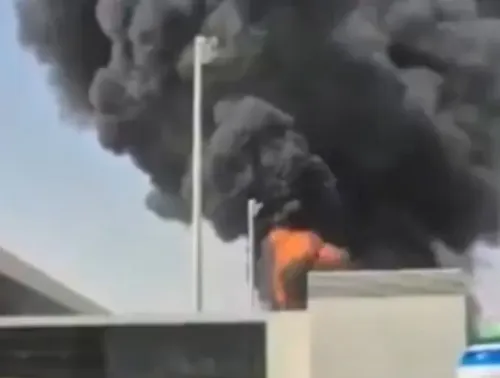
The 10 October strike on King Khalid International Airport killed 12 people and injured 309 , according to Saudi civil aviation authorities.
India's Ministry of External Affairs (MEA) condemned the attack on 11 October , calling it ‘completely unacceptable’ and demanding an immediate ceasefire.
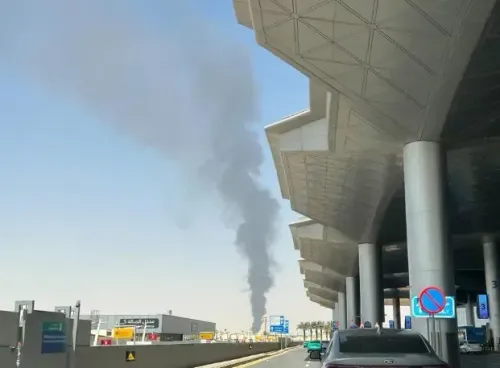
The Indian Embassy in Riyadh on Tuesday, 13 October 2026, issued an urgent advisory asking all Indian nationals in Saudi Arabia to remain calm, stay indoors during aerial attacks, and follow instructions from local authorities, as the mission simultaneously activated a 24x7 Control Room to assist the community. The advisory comes in the wake of a deadly strike on King Khalid International Airport on 10 October that killed 12 people and injured 309 others, including several Indian nationals.
What the Embassy Advisory Says
The Embassy's advisory directed Indian nationals to “remain calm and vigilant, stay indoors in case of an aerial attack, and follow the instructions issued by local authorities through official channels.” It also strongly advised Indians to refrain from circulating or reposting videos and news related to the ongoing events, warning that unverified content could cause panic.
On the travel front, nationals were asked to remain in regular contact with their airlines and verify flight statuses. For those seeking to leave Saudi Arabia in an emergency, the Embassy indicated that flights from airports in neighbouring Gulf countries — particularly Qatar and Bahrain — could be used, subject to obtaining the relevant visas.
Condition of Indians Injured in the Airport Attack
The Embassy provided an update on Indian nationals hurt in the 10 October strike on Riyadh's airport. As of the advisory, four individuals remain in the ICU, four are receiving care in the general ward, and three have been discharged. Embassy officials are reportedly visiting the hospitals regularly and are in constant contact with the families of those affected.
The funeral rites of Mohammed Yousuf Ali, the Indian national who lost his life in the attack, were completed in Riyadh on 12 October in accordance with his family's wishes. The Indian Ambassador and Embassy officials attended the ceremony.
India's Official Condemnation
On 11 October, India formally condemned the attack on Saudi Arabia's King Khalid International Airport. The Ministry of External Affairs (MEA) called attacks on civilians and civilian infrastructure “completely unacceptable” and demanded an immediate cessation of hostilities.
“We stand in solidarity with the people and the government of the Kingdom of Saudi Arabia in defence of their sovereignty, and hope that peace and normalcy returns to the region at the earliest,” the MEA stated. India's swift condemnation reflects the depth of bilateral ties — Saudi Arabia is home to one of the largest Indian expatriate communities in the world, with estimates exceeding 2.4 million Indian nationals.
Broader Context and What Comes Next
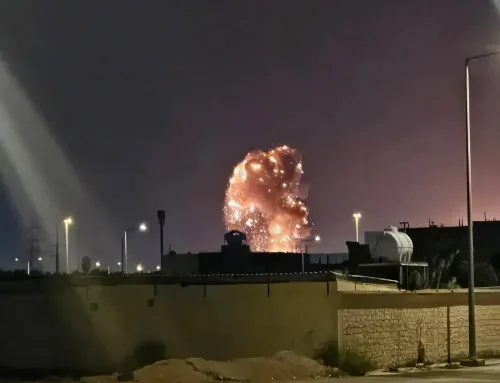
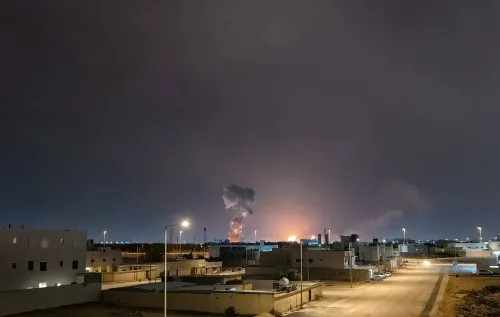
The aerial attack on a major international airport marks a significant escalation in regional hostilities. The strike on 10 October, which Saudi Arabia's General Authority of Civil Aviation confirmed killed 12 people and injured 309, has raised fears over the safety of civilian infrastructure across the Gulf. This is the latest in a series of cross-border aerial incidents that have periodically threatened normal operations at Gulf airports.
For the large Indian diaspora in the Kingdom, the situation presents both immediate safety concerns and logistical challenges around air travel. The Embassy's activation of a round-the-clock control room signals that Indian authorities expect the situation to remain fluid in the near term. All Indian nationals in Saudi Arabia are urged to monitor official Embassy channels for further updates.
Point of View
The Indian government faces a familiar dilemma: how to protect a diaspora of over 2.4 million without triggering a mass-evacuation panic that could itself cause harm. India's MEA condemnation of the airport strike was swift and unusually explicit in its solidarity with Riyadh, reflecting both bilateral economic stakes — Saudi Arabia is a top crude supplier and remittance destination — and the domestic political cost of Indian casualties abroad. The advice to use Qatar and Bahrain airports as exit options is a pragmatic signal that direct Saudi routes may be unreliable, even if the Embassy stopped short of recommending evacuation outright.
NationPress
13 Oct 2026
Frequently Asked Questions
What has the Indian Embassy in Riyadh advised Indians in Saudi Arabia to do?
The Indian Embassy has advised all Indian nationals in Saudi Arabia to remain calm, stay indoors during aerial attacks, and follow instructions from local Saudi authorities through official channels. It has also strongly asked Indians not to share or repost unverified videos or news related to the ongoing situation.
What is the 24x7 Control Room opened by the Indian Embassy?
The Indian Embassy in Riyadh has activated a round-the-clock Control Room to provide emergency assistance to Indian nationals in Saudi Arabia amid the evolving security situation. Nationals in distress can contact it for guidance on safety, medical emergencies, and travel options.
What happened in the 10 October attack on King Khalid International Airport?
An aerial attack on King Khalid International Airport in Riyadh on 10 October killed 12 people and injured 309 others, according to Saudi Arabia's General Authority of Civil Aviation. Several Indian nationals were among those injured, and one Indian — Mohammed Yousuf Ali — lost his life in the strike.
What is the condition of Indian nationals injured in the Riyadh airport attack?
As of the Embassy's 13 October advisory, four Indian nationals remain in the ICU, four are receiving care in a general hospital ward, and three have been discharged. Embassy officials are visiting the hospitals regularly and are in contact with the families of those affected.
How can Indians in Saudi Arabia leave if they want to exit the country?
The Embassy has indicated that Indians seeking to leave Saudi Arabia in an emergency may consider flights departing from airports in neighbouring Gulf countries, particularly Qatar and Bahrain, subject to obtaining the necessary visas as per those countries' rules. Nationals are advised to stay in contact with their airlines for the latest flight status updates.