India's Russia-Ukraine ceasefire proposal: energy, Black Sea shipping at core
Synopsis
India has quietly put the most ambitious peace proposal on the Russia-Ukraine table — a three-part framework covering energy infrastructure, Black Sea shipping, and grain flows. Ukraine calls it the broadest of four plans under consideration. The catch: Moscow wants a permanent settlement, not a pause, and neither side believes it has run out of military options yet.
Key Takeaways
India has proposed a three-part limited ceasefire framework for the Russia-Ukraine conflict , covering energy infrastructure, Black Sea port flows, and commercial shipping.
Ukrainian Foreign Minister Andrii Sybiha has called it the broadest of four proposals currently under consideration; Ukraine has responded positively.
The Kremlin has welcomed India's diplomatic engagement but insists any deal must deliver a 'sustainable and just peace', not a temporary truce.
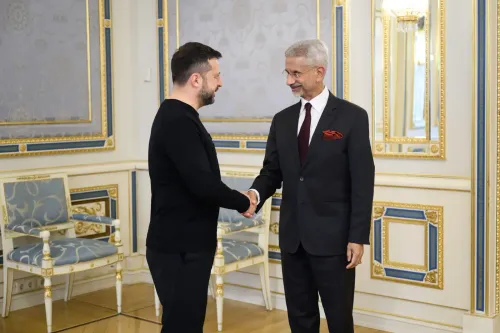
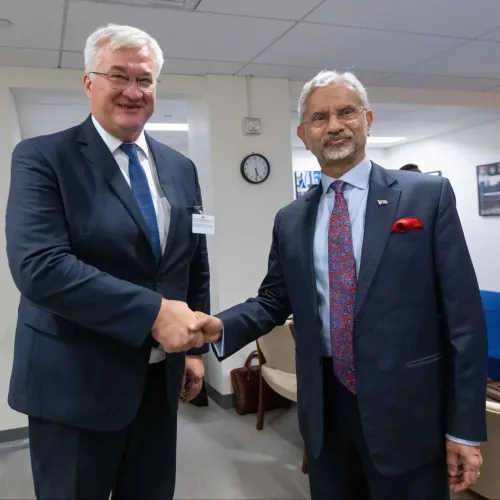
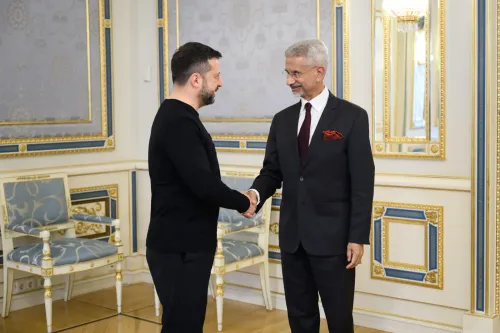
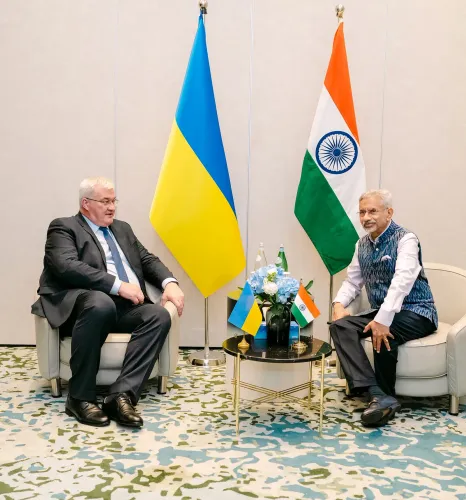
Jaishankar discussed the proposal during his official visit to Kyiv in September 2026 , meeting both President Zelensky and FM Sybiha .
India's interest is partly economic: the conflict has disrupted global energy markets, food supply chains, and maritime trade that directly affect New Delhi's growth trajectory.
The key obstacle remains both sides' belief that military pressure is essential to securing a favourable negotiating position.
India has put forward what Ukrainian officials describe as the most comprehensive limited ceasefire proposal currently on the table in the Russia-Ukraine conflict, going further than earlier frameworks presented by Egypt, the United States, and Turkey. The initiative was reportedly discussed during External Affairs Minister S. Jaishankar's official visit to Kyiv in September 2026.
What India's Three-Part Framework Proposes
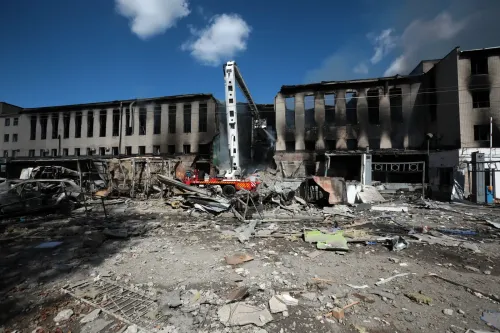
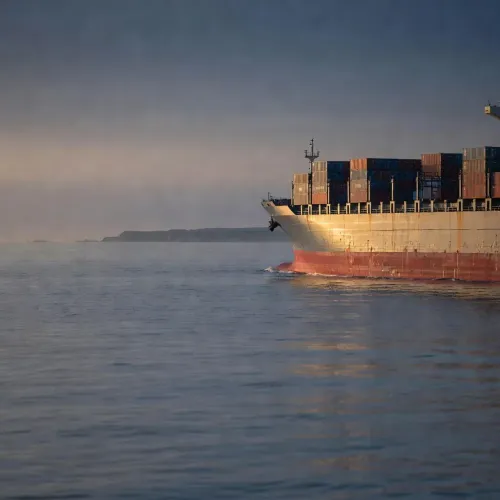
According to reports, India's proposal is structured around three core elements: a halt to attacks on energy infrastructure, protection of grain and energy flows through Black Sea ports, and an end to strikes on commercial shipping. The proposal addresses not only battlefield dynamics but also the cascading economic consequences of the conflict on global commodity markets, food supply chains, and maritime trade.
Ukrainian Foreign Minister Andrii Sybiha has described India's initiative as the broadest among the four proposals currently under consideration, signalling Kyiv's openness to exploring an energy and Black Sea truce. Ukraine has responded positively, according to reports.
Russia's Position and the Diplomatic Hurdle
The Kremlin has welcomed India's diplomatic engagement but has insisted that any settlement must lead to what Moscow describes as a 'sustainable and just peace' — rather than a temporary ceasefire. Russian officials have argued that a truce would merely allow Ukraine time to regroup and rearm, reflecting deep scepticism about partial or phased agreements.
This is the central obstacle: neither Russia nor Ukraine believes it has yet achieved its strategic objectives, and both sides continue to view sustained military pressure as essential to strengthening their negotiating positions. That reality, analysts note, makes even a pragmatic, limited proposal difficult to operationalise.
Why India Is Invested in a Resolution
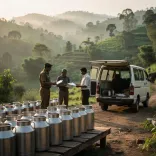
India's calculus extends well beyond diplomacy. As one of the world's fastest-growing major economies, New Delhi has significant exposure to disruptions in global energy markets, food supply chains, and maritime trade — all of which the Russia-Ukraine conflict has destabilised. The Black Sea is a critical artery for global grain exports, and continued attacks on energy infrastructure have kept commodity markets volatile.
The proposal also serves a strategic purpose: it reinforces India's credentials as an emerging diplomatic power capable of maintaining dialogue with both Moscow and Kyiv simultaneously — a positioning few countries can credibly claim.
What Jaishankar Said and Did in Kyiv
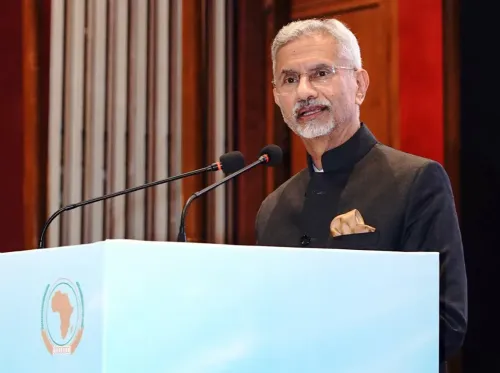
During his September visit to Kyiv, EAM Jaishankar met both President Volodymyr Zelensky and Foreign Minister Sybiha. He reiterated India's long-standing position that the conflict cannot be resolved on the battlefield and that dialogue and diplomacy are the only viable paths forward.
In a post on X, Jaishankar wrote: 'A pleasure to meet with FM Andrii Sybiha of Ukraine here in Kyiv. Thank him and his team for the hospitality extended. Was updated on the recent developments in the ongoing conflict and peace negotiations. Conveyed the need to ensure the safety and security of commercial shipping and seafarers.'
President Zelensky also posted on X following his meeting with Jaishankar: 'We are grateful to India for its desire to end this unjust war — the war of Russia against Ukraine. This time must certainly not be a time of war. Peace is needed. This is India's clear position.'
What Happens Next
Whether India's proposal gains traction remains uncertain. The structural barriers — both sides' belief in military leverage — have not shifted. However, the initiative has drawn notable international attention, reflecting a growing consensus that even a limited ceasefire protecting energy infrastructure, ports, and commercial shipping could deliver significant economic benefits far beyond the conflict zone. The question, as analysts frame it, is whether Moscow and Kyiv are willing to prioritise those economic gains over their immediate military ambitions.
Point of View
Territorial control, NATO membership — and focuses on economic harms that both sides nominally want to reduce. But therein lies its limitation: a ceasefire that stops short of addressing war aims is, from Moscow's perspective, simply a favour to Kyiv's rearmament timeline. New Delhi's ability to stay on talking terms with both capitals is a genuine diplomatic asset, but converting that access into a durable agreement requires leverage India does not yet possess. The more consequential test will be whether India can bring China and the Gulf states into a coordinated economic-pressure coalition — without that, this remains an ambitious proposal rather than a peace process.
NationPress
26 Oct 2026
Frequently Asked Questions
What is India's ceasefire proposal for the Russia-Ukraine conflict?
India has proposed a three-part limited ceasefire framework that would halt attacks on energy infrastructure, protect grain and energy flows through Black Sea ports, and end strikes on commercial shipping. The proposal was reportedly discussed during EAM S. Jaishankar's visit to Kyiv in September 2026 and goes beyond narrower plans previously put forward by Egypt, the United States, and Turkey.
How has Ukraine responded to India's proposal?
Ukraine has responded positively. Ukrainian Foreign Minister Andrii Sybiha described India's initiative as the broadest of the four proposals currently under consideration, indicating Kyiv's willingness to explore an energy and Black Sea truce.
What is Russia's position on India's ceasefire proposal?
The Kremlin has welcomed India's diplomatic engagement but insists that any settlement must lead to what it calls a 'sustainable and just peace' rather than a temporary ceasefire. Russian officials have argued that a truce would only give Ukraine time to regroup and rearm.
Why is India pushing for a resolution to the Russia-Ukraine conflict?
India's economic interests are directly affected: the conflict has disrupted global energy markets, food supply chains, and maritime trade, all of which matter to one of the world's fastest-growing major economies. The initiative also allows India to strengthen its standing as a credible diplomatic power capable of engaging both Moscow and Kyiv simultaneously.
What did EAM Jaishankar say during his visit to Kyiv?
During his September 2026 visit, Jaishankar reiterated India's position that the conflict cannot be resolved on the battlefield and that dialogue and diplomacy are the only viable paths forward. He met both President Zelensky and Foreign Minister Sybiha, raising the safety and security of commercial shipping and seafarers as a priority.