Jaishankar Condemns Black Sea Attacks, Backs Ukraine Dialogue
Synopsis
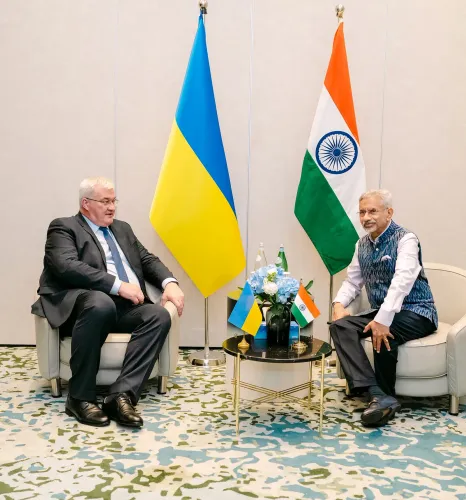
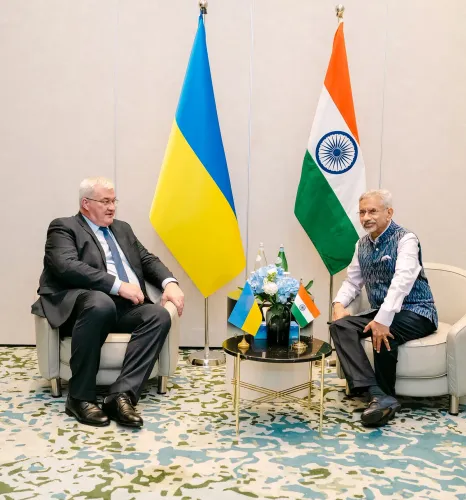
External Affairs Minister Dr. S. Jaishankar spoke with Ukrainian FM Andrii Sybiha on July 30, 2026, condemning Black Sea shipping attacks targeting Indian seafarers, reaffirming India's call for dialogue, and highlighting the conflict's toll on Global South food and energy security.
Key Takeaways
Jaishankar held a call with Ukrainian Foreign Minister Andrii Sybiha on July 30, 2026 .
India condemned attacks on commercial shipping in the Black Sea 'unequivocally,' naming Indian seafarers as directly affected.
The condemnation was directed at 'any party,' preserving India's non-aligned posture on the Russia-Ukraine conflict.
Jaishankar was briefed on recent developments in the Ukraine conflict and peace negotiations .
India underlined the conflict's cascading impact on fuel, fertilizer, and food security for Global South nations.
Both ministers agreed to remain in touch, keeping the India-Ukraine diplomatic channel active.
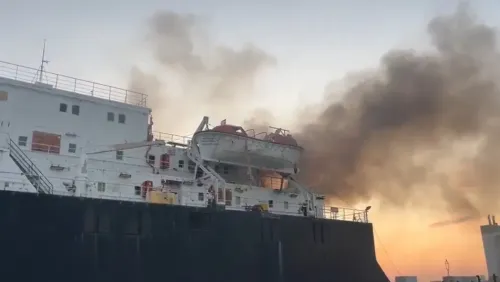
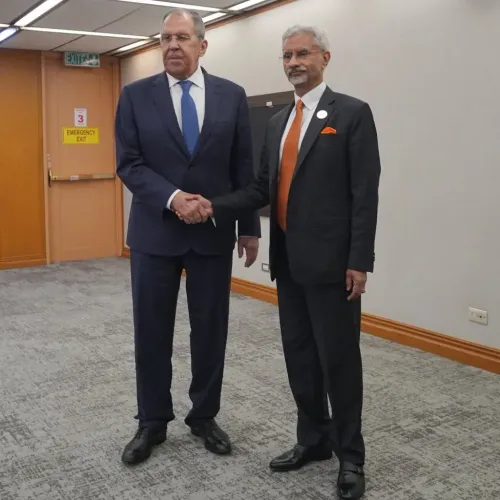
Indian seafarers trapped in a war zone's crossfire — that is the human cost Union External Affairs Minister Dr. S. Jaishankar put squarely on the table when he spoke with Ukrainian Foreign Minister Andrii Sybiha on Thursday, July 30, 2026. India did not mince words: attacks on commercial shipping in the Black Sea are 'absolutely unacceptable,' and India condemns them 'unequivocally.'
India's Seafarers in the Black Sea's Line of Fire
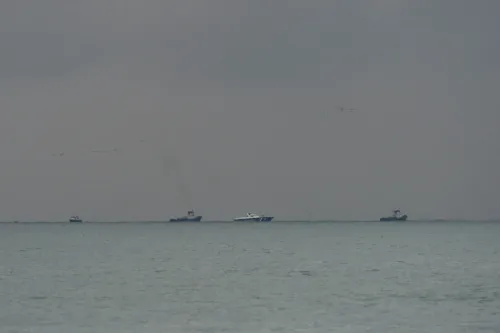
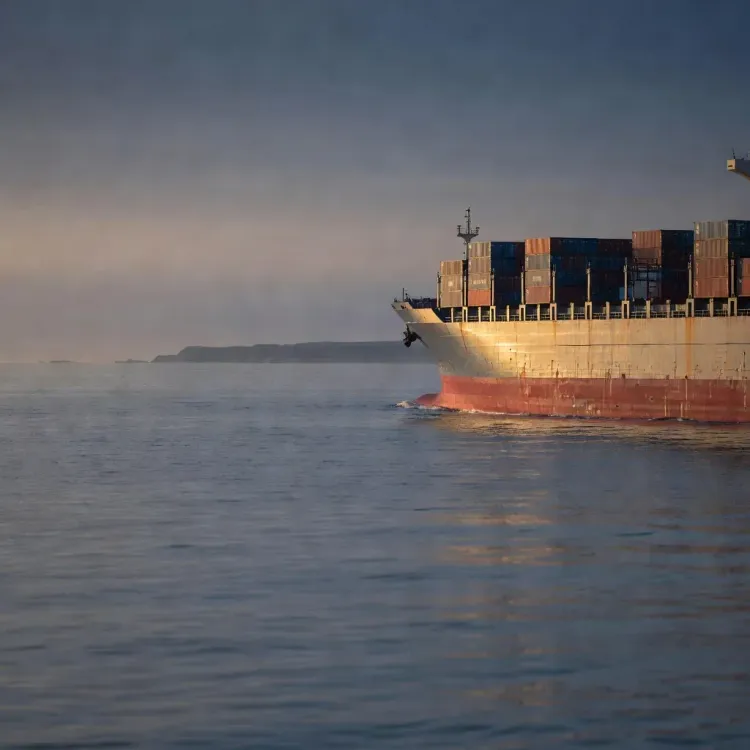
The Black Sea has been a maritime flashpoint since Russia's full-scale invasion of Ukraine in February 2022, with commercial vessels repeatedly caught in the conflict's wake. Jaishankar specifically raised the plight of Indian seafarers operating in these waters — a constituency rarely centred in diplomatic exchanges dominated by geopolitical posturing. The unequivocal condemnation, notably directed at 'any party,' preserves India's non-aligned posture while drawing a firm red line around civilian maritime safety.
Strategic Autonomy, Not Silence
India has walked a careful line on the Russia-Ukraine conflict since 2022 — sustaining defence and energy ties with Moscow while maintaining active diplomatic channels with Kyiv. This call fits that pattern precisely. Jaishankar said he was briefed on 'recent developments pertaining to the Ukraine conflict and peace negotiations,' and reiterated that India has consistently advocated dialogue and diplomacy between the parties. That is not fence-sitting — it is a deliberate policy of strategic autonomy that New Delhi has defended at every multilateral forum since the war began.
The Global South Dimension India Keeps Raising
The minister underlined what he called 'the fragility of the current international situation, with multiple conflicts in different geographies.' The downstream effects — disrupted fuel, fertilizer, and food security — fall hardest on the Global South, a point India first amplified at the 2023 G20 Summit in New Delhi and has not stopped making since. It is a framing that positions India as a voice for the world's most exposed economies, not merely a bystander to a European war. Both ministers agreed to remain in touch, signalling the channel stays open as peace negotiations remain in flux.
With the UN General Assembly season approaching, watch for whether this bilateral thread translates into a more visible Indian role in any grain-export or ceasefire initiative — because New Delhi has now made clear it will not stay quiet when its citizens and the world's food supply are in the crossfire.
Point of View
Non-committal on blame attribution. By foregrounding Indian seafarers and Global South food security, Jaishankar anchors a European conflict in India's own national and multilateral interests, making engagement politically defensible at home. The call also signals that New Delhi is positioning itself as an indispensable interlocutor should a credible peace process take shape — a role it has been quietly cultivating since the 2023 G20.
NationPress
14 Sept 2026
Frequently Asked Questions
What did Jaishankar say about Black Sea attacks on Indian seafarers?
Jaishankar stated that attacks on commercial shipping and Indian seafarers in the Black Sea are 'absolutely unacceptable' and that India condemns them 'unequivocally,' regardless of which party carries them out.
What is India's position on the Russia-Ukraine war?
India maintains strategic autonomy — it has not condemned Russia by name but consistently advocates dialogue and diplomacy, while sustaining ties with both Moscow and Kyiv and highlighting the war's impact on the Global South.
Who is Andrii Sybiha?
Andrii Sybiha is Ukraine's Foreign Minister, who has been engaged in active diplomatic outreach to partner nations on the ongoing conflict with Russia.
Why does the Black Sea conflict matter for India?
Indian seafarers work on commercial vessels in the Black Sea, making them directly vulnerable to attacks. The region is also a critical corridor for grain and energy exports that affect global food and fuel prices, hitting the Global South hardest.
What is India's role in Ukraine peace negotiations?
India has not played a formal mediator role but has consistently called for dialogue and diplomacy. It has used platforms like the G20 to highlight the humanitarian and economic costs of the conflict for developing nations.