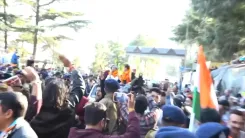
CM Pema Khandu flags off milk van as ITBP-Arunachal dairy MoU signed
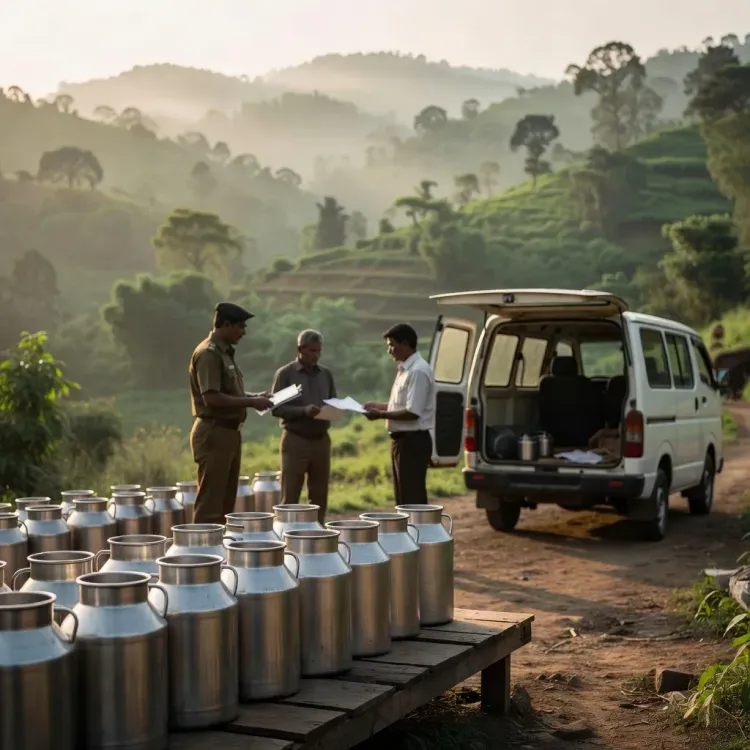
Synopsis
Arunachal Pradesh CM Pema Khandu announced a signed MoU between the state's Animal Husbandry Department and ITBP on October 26, 2026, committing locally produced dairy products to the ITBP 31st Battalion and opening an assured market for the state's dairy farmers.
Key Takeaways
An MoU was signed on October 26, 2026 between Arunachal Pradesh's Department of Animal Husbandry, Veterinary and Dairy Development and the Indo-Tibetan Border Police (ITBP) .
Locally produced milk and dairy products will be supplied to the ITBP's 31st Battalion stationed in Arunachal Pradesh.
A milk van was formally flagged off at the Civil Secretariat, Itanagar to mark the agreement's launch.
The initiative aims to give local dairy farmers a reliable institutional market, improving income and strengthening the state's cooperative dairy sector.
Animal Husbandry Minister Gabriel D.
Wangsu led the department's participation in the deal.
The model follows a broader northeast India pattern of linking local farm output with the procurement needs of deployed paramilitary forces.
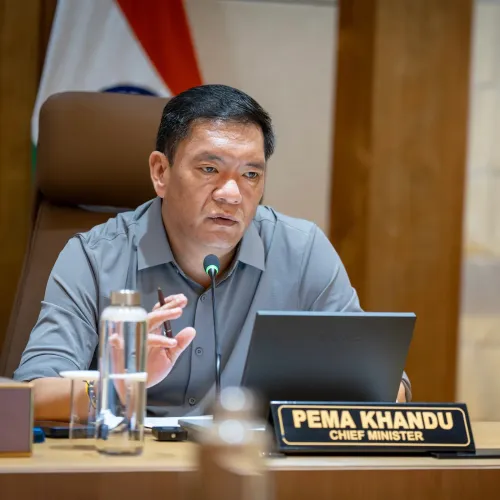
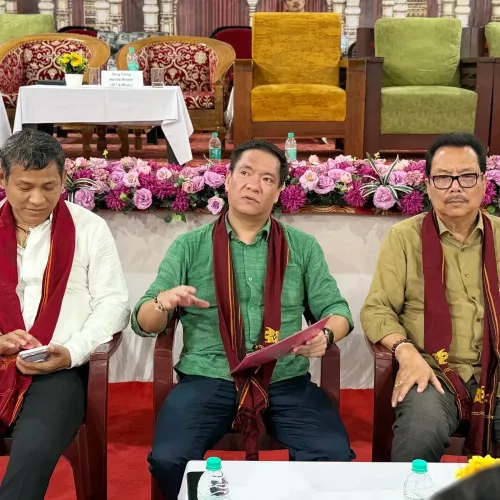
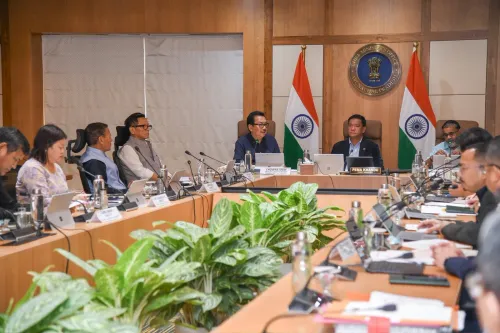
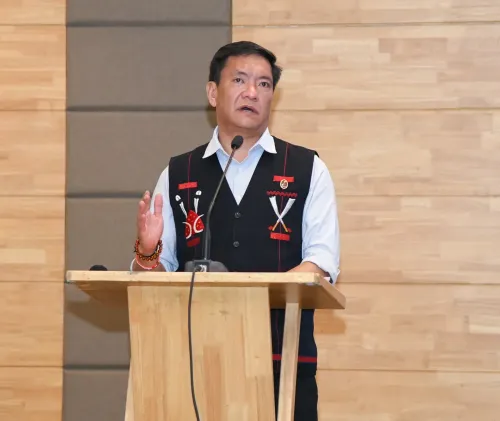
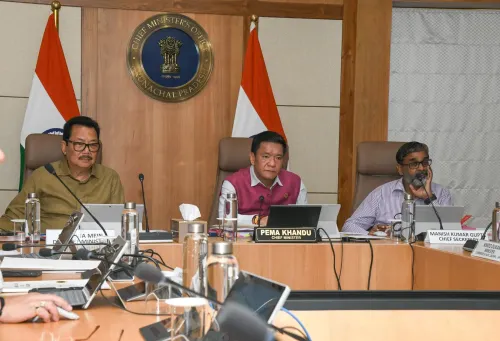
A milk van rolled out of the Civil Secretariat in Itanagar on Monday, October 26, 2026 — a small vehicle carrying a signal that Arunachal Pradesh's dairy farmers now have a guaranteed buyer in uniform. Arunachal Pradesh Chief Minister Pema Khandu announced the signing of a Memorandum of Understanding between the state's Department of Animal Husbandry, Veterinary and Dairy Development and the Indo-Tibetan Border Police (ITBP), under which locally produced milk and dairy products will be supplied directly to the ITBP's 31st Battalion stationed in the state.
What the MoU commits to — and who it reaches
The agreement creates a direct procurement channel between Arunachal Pradesh's dairy cooperative sector and one of the most logistically challenging postings in India's paramilitary framework. The ITBP, which guards the India-China border along the Line of Actual Control, maintains multiple battalions in the state's remote terrain — personnel who have historically depended on supply chains stretching far from local farms.
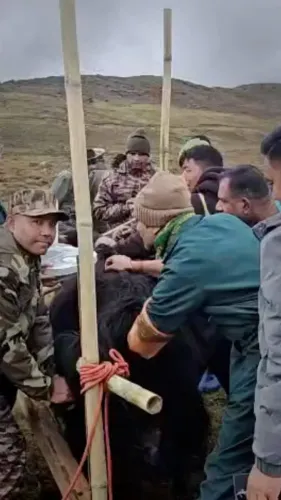
Under the new arrangement, the 31st Battalion will source milk and dairy products from within the state, cutting that distance and putting rupees directly into the hands of local producers. CM Khandu called the initiative a step toward providing 'a reliable market for their produce, improving their income opportunities and strengthening the dairy cooperative sector in the State.'
Gabriel D. Wangsu's department at the centre of the deal
Animal Husbandry Minister Gabriel D. Wangsu led the department's side of the agreement. The ministry oversees livestock development, veterinary services, and dairy promotion across a state where small and marginal farmers dominate the agricultural landscape, and consistent institutional demand has long been the missing link in scaling up output.
India's cooperative dairy model — built over decades since the National Dairy Development Board pushed the cooperative framework from the 1970s onward — has always relied on exactly this kind of institutional offtake to survive in thin markets. Arunachal Pradesh, with its dispersed population and difficult connectivity, has lagged behind plains states in dairy development. A captive buyer like the ITBP changes that calculus.
A northeast border-state pattern with a new address
This is not an isolated experiment. Across India's northeastern border states, there is a recognisable pattern: connect local agricultural surplus with the procurement needs of the paramilitary and defence forces deployed nearby. The logic is clean — the forces need food, the farmers need markets, the geography makes outside supply expensive and unreliable.
What makes the Itanagar MoU notable is the explicitness of the model: a state department, a central armed force, a signed agreement, and a flagged-off van — all in one public ceremony. Whether the partnership expands to additional ITBP units or other product categories across more districts will determine how far this template travels.
For Arunachal Pradesh's dairy farmers, the van that left the Civil Secretariat today is the most concrete thing a government can deliver — a customer who will show up tomorrow.
Point of View
The optics are useful: a visible, tangible welfare win in a state where agricultural markets remain underdeveloped, delivered through a partnership with a central force rather than a state budget outlay. The model is replicable and low-risk, which is precisely why the 'what to watch' question — whether it scales to other ITBP units or other products — matters. If it does, Arunachal Pradesh could become a case study for how frontier states can industrialise small-holder dairy without heavy subsidy.
NationPress
26 Oct 2026
Frequently Asked Questions
What is the ITBP dairy MoU signed in Arunachal Pradesh?
It is an agreement between the Arunachal Pradesh Department of Animal Husbandry, Veterinary and Dairy Development and the Indo-Tibetan Border Police (ITBP) to supply locally produced milk and dairy products to the ITBP's 31st Battalion stationed in the state. The MoU was signed on October 26, 2026, at the Civil Secretariat in Itanagar.
How will local farmers benefit from the ITBP dairy agreement?
The MoU creates a guaranteed institutional buyer for milk and dairy products from Arunachal Pradesh's local dairy farmers, giving them a reliable market, steadier income, and support for the state's dairy cooperative sector.
Who is Gabriel D. Wangsu in Arunachal Pradesh politics?
Gabriel D. Wangsu is a minister in the Arunachal Pradesh government who heads the Department of Animal Husbandry, Veterinary and Dairy Development, the department that signed the dairy supply MoU with the ITBP.
Which ITBP unit will receive dairy products under the new Arunachal MoU?
The ITBP's 31st Battalion, stationed in Arunachal Pradesh, is the unit designated to receive locally produced milk and dairy products under the new agreement.
Can the ITBP dairy MoU model be extended to other areas in Arunachal Pradesh?
CM Pema Khandu's announcement does not confirm expansion plans, but the broader northeast India pattern suggests the model could be replicated with additional ITBP units or extended to other products and districts in the state if the initial arrangement proves successful.