India's East Asia push unlocks fresh opportunities for Mongolia: Report
Synopsis
India's USD 1.7 billion bet on Mongolia's first-ever oil refinery is the most tangible sign yet that New Delhi's Act East Policy has found a new frontier. With coking coal trade, cultural diplomacy, and a 10-year strategic roadmap now in play, Mongolia is quietly becoming one of India's most strategically useful third-neighbour partnerships.
Key Takeaways
Jaishankar visited Mongolia on 22-23 June as part of his East Asia tour, reinforcing the bilateral strategic partnership.
India is financing Mongolia's first greenfield oil refinery in Dornogovi Province under a USD 1.7 billion line of credit.
The refinery is set to become Mongolia's second-largest foreign investment project after Rio Tinto's Oyu Tolgoi mine.
India has expressed interest in importing Mongolian coking coal to meet its growing steel and industrial demand.
The partnership is anchored in a 10-year strategic roadmap established in 2025 during President Khurelsukh Ukhnaa's State Visit to New Delhi.
Mongolia has become a key pillar of India's Act East Policy , with shared non-bloc foreign policy values underpinning the relationship.
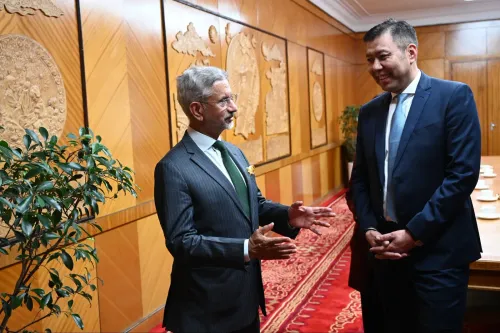
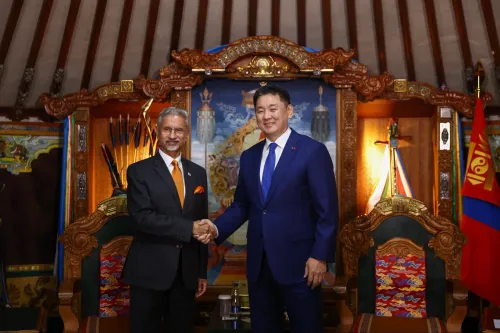
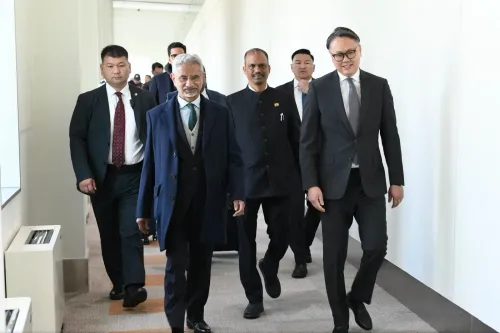
External Affairs Minister S. Jaishankar's recent East Asia tour, which included an official visit to Mongolia on 22-23 June, has spotlighted a deepening strategic partnership that analysts say opens significant economic opportunities for the landlocked nation. According to a report in international magazine The Diplomat, India's expanding engagement across technology, trade, supply chain resilience, and soft power aligns closely with Mongolia's development goals — positioning New Delhi as a pivotal third-neighbour partner.
Strategic Foundations of the Partnership
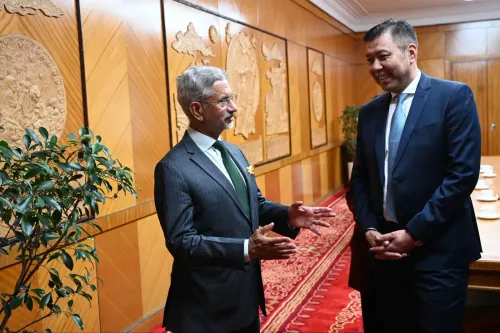
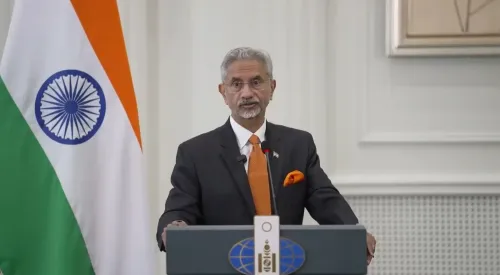
The June 22-23 visit by EAM Jaishankar was rooted in the 10-year strategic roadmap established in 2025 during Mongolian President Khurelsukh Ukhnaa's State Visit to New Delhi. In his press statement following the visit, Jaishankar described Mongolia and India as 'strategic partners' and 'spiritual siblings' — language that signals a relationship extending well beyond transactional diplomacy.
The report noted that the two countries' shared non-bloc foreign policy orientation reinforces their complementary economic and growth strategies, giving both nations room to manoeuvre in an increasingly polarised geopolitical environment.
The Flagship Oil Refinery Project
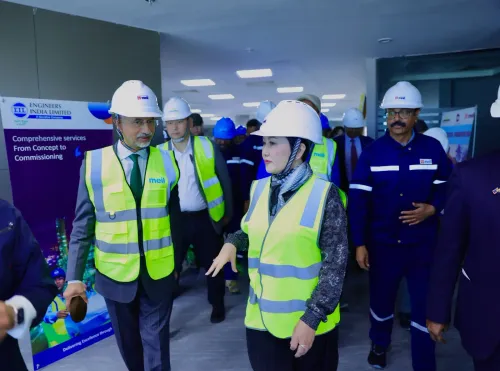
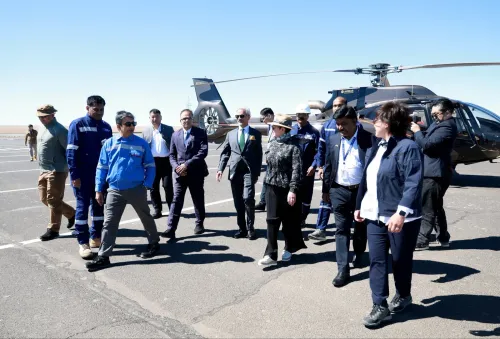
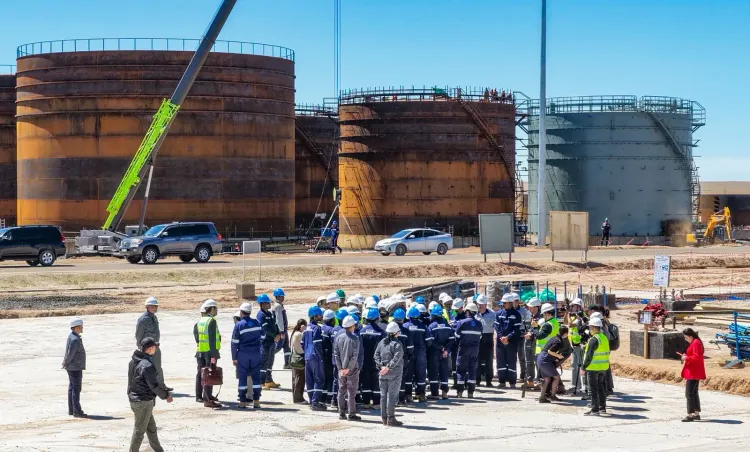
A centrepiece of the bilateral economic relationship is the Mongol Oil Refinery in Dornogovi Province, which Jaishankar toured on 22 June. India is financing Mongolia's first-ever greenfield oil refinery under a USD 1.7 billion line of credit. Once operational, the refinery is expected to become Mongolia's second-largest foreign investment project after Rio Tinto's Oyu Tolgoi mine.
According to The Diplomat's report, the refinery is 'one of the largest investments being financed by Mongolia's third neighbours outside of the mining sector.' Its completion is described as 'highly anticipated by both Mongolia and India' for its potential to diversify Mongolia's limited and heavily mining-dependent market.
Coal Trade and Mining Sector Potential
Beyond the refinery, India has emerged as a possible third export destination for Mongolia's coking coal industry. Given India's rising demand for coal to fuel its steel sector and broader industrial advancement, Jaishankar reportedly expressed interest in exploring logistical pathways for Mongolia to export coking coal and other mining products to India. This would offer Mongolia a meaningful alternative to its current dependence on Chinese and Russian trade routes.
Soft Power and Cultural Diplomacy
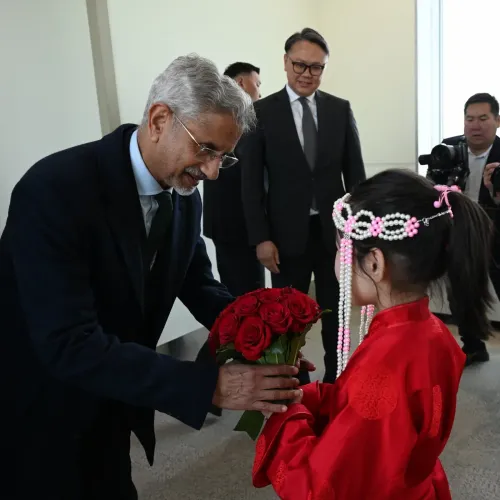
The bilateral relationship is not limited to hard economics. The report highlighted that India and Mongolia have increasingly leaned on cultural diplomacy, shared religious heritage — particularly Buddhist ties — and educational cooperation as cornerstones of their engagement. These soft power channels reinforce goodwill and provide a stable foundation for deeper economic integration.
Mongolia's Foreign Ministry underlined the significance of the visit, stating: 'This visit is of great significance in strengthening the Strategic Partnership between the two countries, enriching trade and economic cooperation with new ideas and links, and determining the direction of future cooperation.'
Mongolia in India's Act East Policy
The report positions Mongolia as an increasingly important pillar of Prime Minister Narendra Modi's Act East Policy, which spans digital and physical connectivity, defence partnerships, economic integration, and cultural diplomacy. As Mongolia seeks greater investment from third-neighbour countries to reduce its dependence on China and Russia, India's role as a credible and non-aligned partner is expected to grow in the years ahead.
Point of View
It gives Mongolia a third buyer for a commodity it currently sells almost exclusively northward. What remains to be tested is execution — India's line-of-credit projects have a mixed track record on timelines, and the refinery's completion date will be the real measure of this partnership's credibility.
NationPress
26 Sept 2026
Frequently Asked Questions
What is the significance of EAM Jaishankar's visit to Mongolia in June 2025?
Jaishankar's official visit to Mongolia on 22-23 June 2025 was aimed at deepening the bilateral strategic partnership, reviewing progress on the USD 1.7 billion Mongol Oil Refinery project, and exploring new trade avenues including coking coal exports. The visit was framed within a 10-year strategic roadmap established in 2025 during Mongolian President Khurelsukh Ukhnaa's State Visit to New Delhi.
What is the Mongol Oil Refinery project and what is India's role in it?
The Mongol Oil Refinery in Dornogovi Province is Mongolia's first-ever greenfield oil refinery, being constructed with Indian financing under a USD 1.7 billion line of credit. Once operational, it is expected to become Mongolia's second-largest foreign investment project after Rio Tinto's Oyu Tolgoi mine, and a major source of energy sector diversification for the country.
How does Mongolia fit into India's Act East Policy?
Mongolia has become an important pillar of India's Act East Policy, which covers digital and physical connectivity, defence partnerships, economic integration, and cultural diplomacy. India's non-aligned, non-bloc approach mirrors Mongolia's own foreign policy orientation, making New Delhi a natural third-neighbour partner for Ulaanbaatar.
Could India become a destination for Mongolian coking coal?
Jaishankar reportedly expressed interest in exploring logistical opportunities for Mongolia to export coking coal and other mining products to India, according to The Diplomat report. India's growing steel industry and rising coal demand make it a viable third export market for Mongolia, which currently relies heavily on China and Russia for trade.
What role does soft power play in the India-Mongolia relationship?
Cultural diplomacy, shared Buddhist heritage, and educational cooperation have emerged as cornerstones of the India-Mongolia bilateral relationship, according to the report. These soft power channels complement the economic engagement and provide a stable foundation for long-term partnership.