Indonesia extends WFH policy 2 months amid Middle East tensions
Synopsis
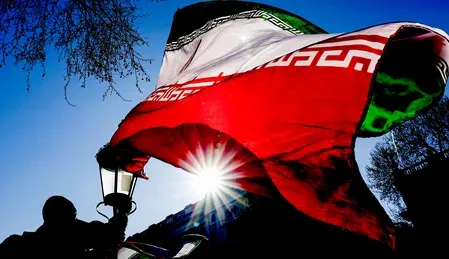
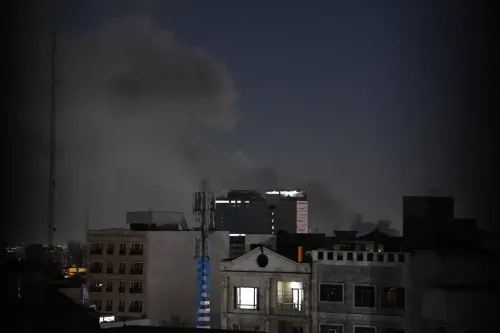
Indonesia is extending its work-from-home policy by two months — not because of a domestic crisis, but because of a geopolitical one thousands of kilometres away. The move reflects how seriously Jakarta is treating Middle East instability, even as Trump issues some of his starkest warnings yet on Iran's nuclear programme and the future of the Strait of Hormuz.
Key Takeaways
Indonesia extended its WFH policy by two months on 22 May 2025 , citing Middle East geopolitical tensions .
Coordinating Minister Airlangga Hartarto said the exact implementation date had not yet been fixed.
Civil servants work from home on Fridays ; private firms and state enterprises may allow one WFH day per week .
Salaries, benefits, and annual leave are unaffected; exemptions cover healthcare, energy, infrastructure, retail, manufacturing , and tourism .
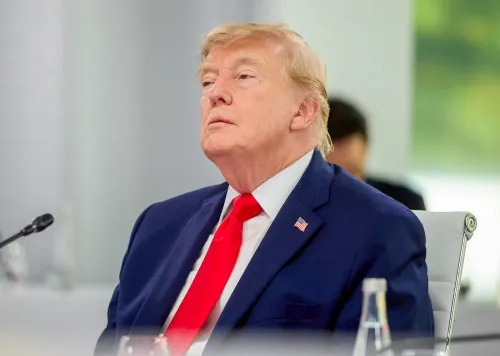
US President Donald Trump warned that Iran acquiring a nuclear weapon could trigger a war spreading beyond the Middle East.
Trump claimed US military operations had degraded 85 per cent of Iran's missile capacity and demanded the Strait of Hormuz remain toll-free.
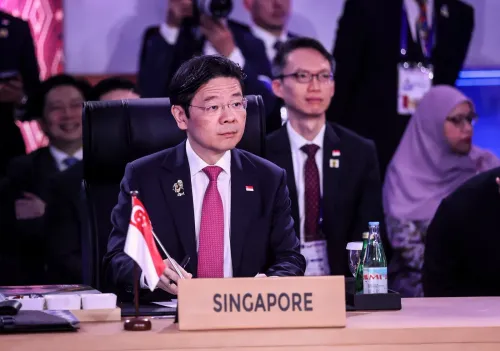
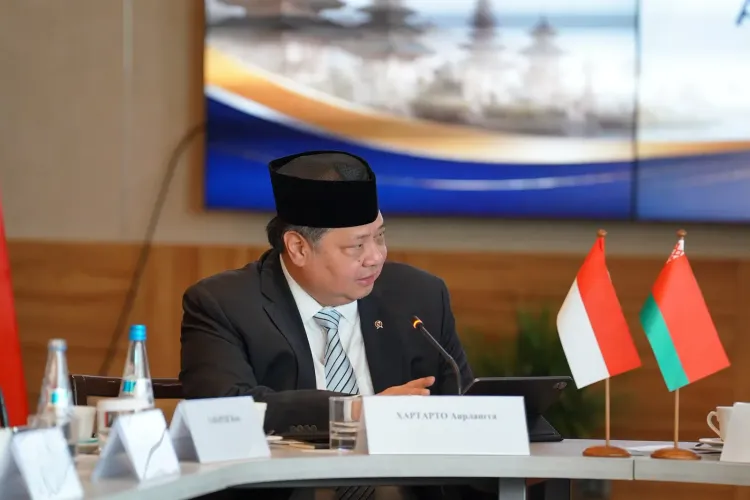
Indonesia has extended its work-from-home (WFH) policy for civil servants, state-owned enterprise employees, and private sector workers by two months, citing escalating geopolitical tensions in the Middle East. The announcement was made on Friday, 22 May by Coordinating Minister for Economic Affairs Airlangga Hartarto, who said the government had not yet fixed an exact implementation date for the extension.
How the WFH Policy Works
Under the existing arrangement, civil servants work from home on Fridays, with in-office attendance required from Monday to Thursday. Private companies and state-owned enterprises are permitted to implement one WFH day per week.
The government has confirmed the policy will not affect employees' salaries, benefits, or annual leave entitlements. Sectors requiring on-site operations — including healthcare, energy, infrastructure, public services, retail, manufacturing, and tourism — are exempt from the arrangement.
Why the Middle East Is Driving Policy in Jakarta
The extension reflects Indonesia's concern that rising regional instability could have economic spillover effects. Minister Hartarto said the government was closely monitoring developments and indicated the policy could be extended further depending on how global conditions evolve.
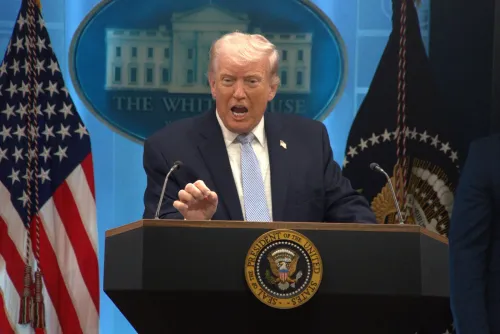
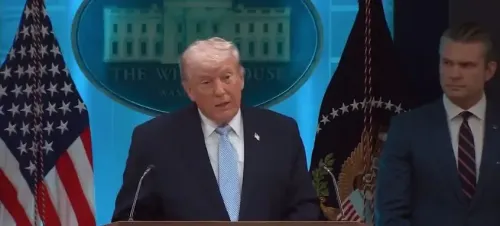
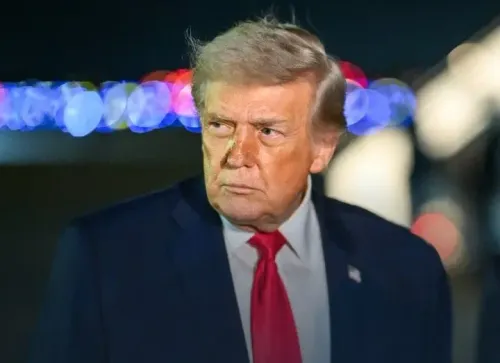
This comes amid sharp warnings from US President Donald Trump, who on Thursday declared that Washington would not permit Iran to acquire a nuclear weapon. Trump framed the issue as his administration's foremost foreign policy priority, warning that failure to prevent it could trigger a wider conflict. 'We cannot let Iran have a nuclear weapon,' Trump said. 'You will have a nuclear war in the Middle East, and that war will come here, that war will go to Europe.'
Trump's Warnings on Iran and the Strait of Hormuz
Trump said negotiations with Iran were ongoing but insisted on a definitive outcome. 'Right now we're negotiating, and we'll see. But either we're going to get it one way or the other,' he said. 'They're not going to have a nuclear weapon.'
The US President also addressed reports that Iran was in discussions with Oman to formalise toll charges on vessels transiting the Strait of Hormuz, one of the world's most critical oil shipping lanes. Trump said the United States wanted the waterway to remain open and free. 'We want it open, we want it free. We don't want tolls,' he said, describing the Strait as 'an international waterway.'
Trump further claimed that US military operations had severely degraded Iranian capabilities. 'We wiped out their navy. We wiped out their air,' he said. 'I would say we knocked out 85 per cent of their missile capacity.' He also said the US had rapidly expanded its drone and anti-drone capabilities during the conflict.
On the question of Iran retaining highly enriched uranium under any future agreement, Trump was unequivocal: 'No, no, we get the highly enriched. We will get it.' He added the stockpile would likely be destroyed after being secured by the United States.
What Happens Next
Indonesia's government has left the door open for further extensions, tying the policy's duration to global geopolitical developments. With US-Iran negotiations still unresolved and the Strait of Hormuz under renewed scrutiny, the uncertainty underpinning Jakarta's cautious stance is unlikely to lift in the near term.
Point of View
And Jakarta knows it. Trump's claims about degrading 85 per cent of Iran's missile capacity are unverified and should be treated with caution, but the rhetoric alone is enough to keep risk managers on edge. The real question is whether Indonesia's WFH extension is a genuine precaution or a policy hedge that buys the government cover if economic conditions worsen for reasons beyond its control.
NationPress
7 Oct 2026
Frequently Asked Questions
Why has Indonesia extended its work-from-home policy?
Indonesia extended its WFH policy by two months due to ongoing geopolitical tensions in the Middle East. Coordinating Minister Airlangga Hartarto said the government was closely monitoring regional developments and had not yet announced the exact start date for the extension.
Who does Indonesia's WFH policy apply to?
The policy covers civil servants, employees of state-owned enterprises, and private sector workers. Civil servants work from home on Fridays, while private companies and state enterprises may implement one WFH day per week. Sectors such as healthcare, energy, infrastructure, retail, manufacturing, and tourism are exempt.
Will the WFH extension affect salaries or benefits?
No. The Indonesian government has confirmed that the WFH arrangement will not affect employees' salaries, benefits, or annual leave entitlements.
What did Trump say about Iran that is linked to Indonesia's policy decision?
US President Donald Trump warned on Thursday that the United States would not allow Iran to acquire a nuclear weapon, calling it his administration's top foreign policy priority. He also addressed reports of Iran-Oman discussions on Strait of Hormuz toll charges, insisting the waterway must remain open and free for international navigation.
Could Indonesia's WFH policy be extended beyond two months?
Yes. The Indonesian government has said the policy could be extended further depending on how global geopolitical developments unfold, leaving the duration open-ended and tied to the trajectory of the Middle East situation.