West Asia crisis far from over, warns Singapore PM Lawrence Wong
Synopsis
Singapore PM Lawrence Wong has put a hard number on the West Asian crisis: the Strait of Hormuz has been shut for over two months, and even when it reopens, months of recovery lie ahead. With the IEA warning the shock could exceed expectations, and stagflation risks echoing the 1970s oil crises, this is no longer just a regional conflict — it is a global economic stress test.
Key Takeaways
Singapore PM Lawrence Wong warned the West Asian crisis is unlikely to end anytime soon, with pressures expected to intensify.
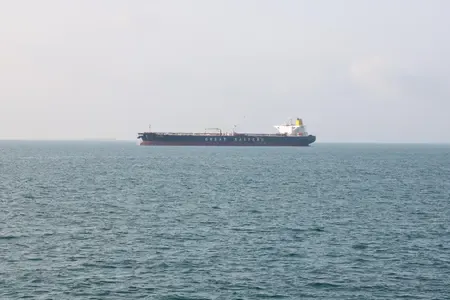
The Strait of Hormuz has been closed for more than two months , hitting energy supply and prices across Asia .
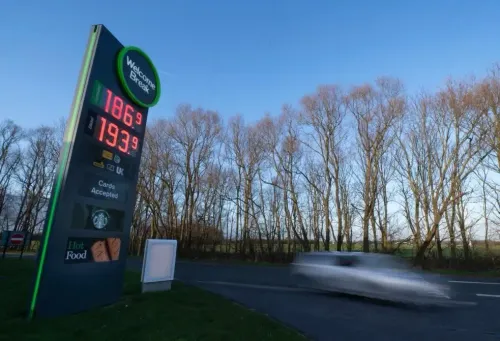
Wong flagged that disruptions will spread beyond energy to fertiliser, food, and other essentials .
Even after the Strait reopens, recovery will take months due to damaged ports, mined shipping lanes, and collapsed confidence.
The International Energy Agency (IEA) has warned the crisis could be more severe than currently anticipated.
Wong drew parallels with the 1970s oil shocks , cautioning that stagflation risks are rising again globally.
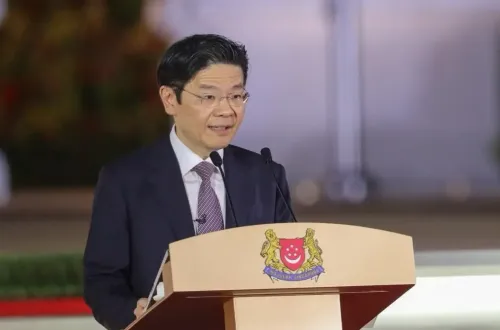
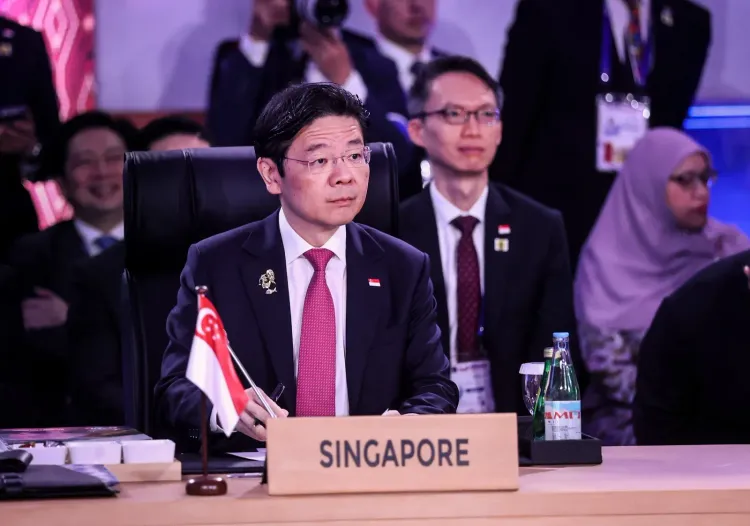
Singapore Prime Minister Lawrence Wong has issued a stark warning that the West Asian crisis is unlikely to end anytime soon, cautioning that economic pressures — including inflation, supply disruptions, and a rising risk of stagflation — are set to intensify in the months ahead. His remarks, delivered in a widely broadcast speech, come as global leaders grow increasingly alarmed over the energy shock triggered by the Iran war and the cascading disruptions it has unleashed across trade and supply chains.
Strait of Hormuz: Two Months Closed and Counting
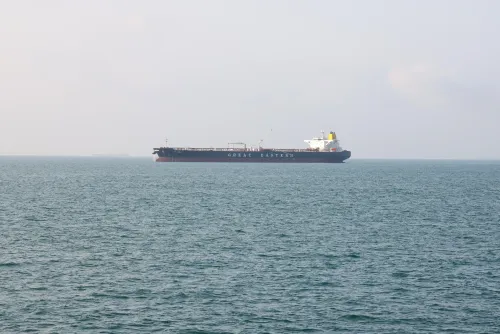
Wong pointed out that the Strait of Hormuz has remained closed for more than two months, with the fallout extending well beyond higher energy prices into tightening supply across critical commodities. Asia, he noted, is particularly exposed given the region's deep dependence on Gulf energy and other essential imports.
'Some countries in our region are already facing fuel shortages, as you can see from the news. Airlines have cut flights. Factories are reporting delays, and the disruptions will not stop at energy. Fertiliser, food and other essential inputs will be hit next. We can expect shortages in more items to emerge,' Wong said.
Why Recovery Will Take Months, Not Days
Even once the Strait reopens, Wong cautioned against expecting an immediate return to normalcy. 'Because ports and energy infrastructure have been damaged, shipping lanes will need to be cleared of mines,' he observed. Confidence must also be rebuilt — that it is safe for vessels to transit, that insurance is obtainable, and that shipping operators are willing to accept the risk. 'These things do not recover overnight,' he said, adding that stabilisation would take months at least.
Stagflation Risk on the Rise
Wong drew a pointed historical parallel with the oil shocks of the 1970s, which triggered stagflation — a toxic combination of economic stagnation and high inflation — across the global economy. He warned that stagflation risks are rising again, and cited the International Energy Agency (IEA) as having flagged that the current crisis could prove even more severe than widely anticipated.
Globally, he said, inflation will spread from energy to food and then to other essentials, and some economies may slip into recession. For Singapore, the impact will be direct: 'Our growth this year was slow, and inflation will be higher, and all this will put real pressure on businesses, workers and households,' he stated.
What Singapore — and the Region — Must Brace For
'So we should not expect this crisis to be over anytime soon. In fact, the pressures are likely to intensify. Supply disruptions will persist and may worsen in the months ahead,' Wong observed. He urged citizens and businesses to brace themselves and prepare for a more difficult period ahead.
This comes amid a broader pattern of global leaders recalibrating their economic outlooks downward as the Iran conflict continues to reverberate across energy markets, shipping corridors, and food supply chains — with no clear diplomatic resolution in sight.
Point of View
As one of the world's most trade-exposed economies, has little incentive to overstate risk, which makes the warning credible and worth taking seriously. The IEA citation is also significant: multilateral agencies have historically been conservative in their public assessments, so a 'worse than anticipated' flag from the IEA signals that official forecasts may already be lagging reality. For India, which is both an energy importer and a major food supplier to Gulf nations, the second-order effects — on the rupee, fuel subsidies, and food inflation — deserve far more attention than they are currently receiving in domestic policy discourse.
NationPress
21 Sept 2026
Frequently Asked Questions
What did Singapore PM Lawrence Wong say about the West Asia crisis?
Wong warned that the West Asian crisis is unlikely to end anytime soon and that economic pressures are set to intensify. He cited the Strait of Hormuz closure, rising stagflation risks, and the IEA's warning that the crisis could be more severe than anticipated.
How long has the Strait of Hormuz been closed?
According to Wong's speech, the Strait of Hormuz has been closed for more than two months. He cautioned that even after it reopens, recovery will take months due to damaged infrastructure, mined shipping lanes, and the need to rebuild shipping confidence.
Why is Asia especially vulnerable to the West Asian crisis?
Asia is particularly exposed because of its high dependence on energy and other critical supplies from the Gulf region. Wong noted that some Asian countries are already facing fuel shortages, with airlines cutting flights and factories reporting delays.
What is stagflation, and why is it a concern now?
Stagflation is a combination of economic stagnation and high inflation, where high unemployment coexists with rising prices. Wong warned that stagflation risks are rising again, drawing parallels with the 1970s oil shocks, and cited the IEA's warning that the current crisis could prove even more severe.
How will Singapore be affected by the West Asian crisis?
Wong said Singapore's growth this year was already slow, and that inflation will be higher, putting real pressure on businesses, workers, and households. As one of the world's most trade-dependent economies, Singapore is directly exposed to both energy price shocks and broader supply chain disruptions.