Iran denies role in Kuwait drone attack that killed 2 Italians
Synopsis
Kuwait says the drones came from Iran. Tehran says they did not, and is offering a joint investigation with Kuwait and Italy. With two Italians killed by falling debris, a Gulf security incident has become a three-nation diplomatic test over who launched the drones.
Key Takeaways
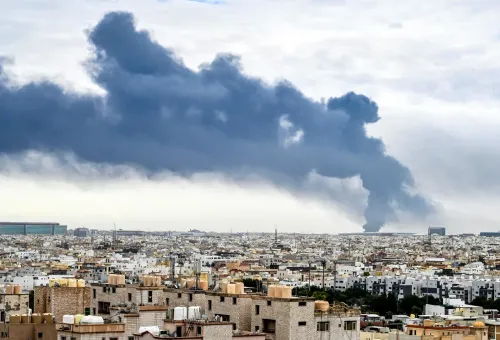
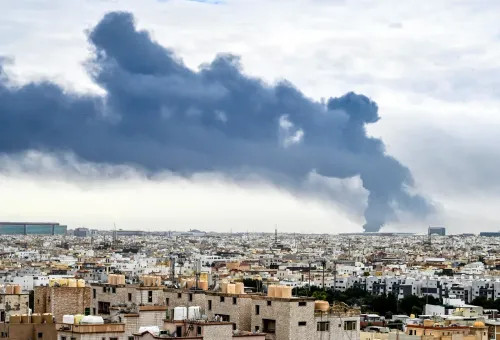
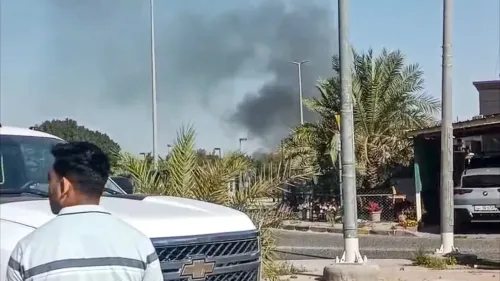
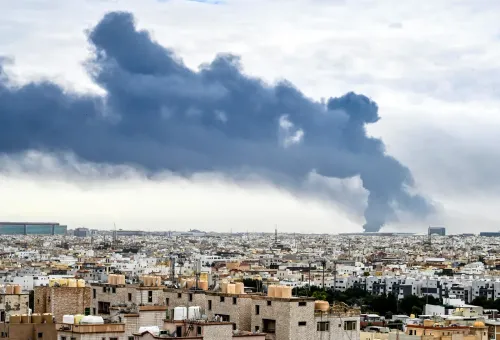
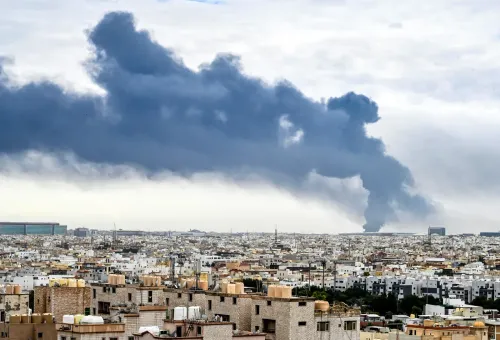
A drone attack in Kuwait on Thursday killed two Italians and injured one Kuwaiti and one Pakistani , according to Kuwait's military.
Kuwaiti military spokesperson Saud Abdulaziz Al-Atwan said in a post on X that the “hostile drones” came from Iran.
Iranian FM Seyed Abbas Araghchi denied any involvement in calls with Sheikh Jarrah Jaber Al-Ahmad Al-Sabah and Antonio Tajani .
Iran has offered a joint investigation with Kuwait and Italy to identify the attack's origin.
Iranian armed forces spokesman Abolfazl Shekarchi said Iran conducted no military operations in the region.
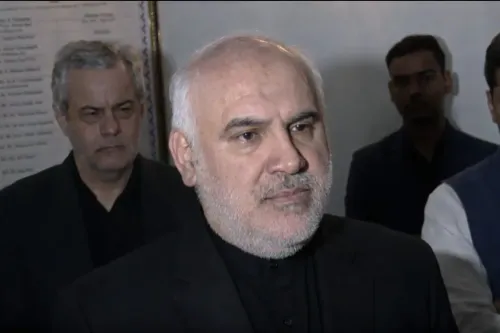
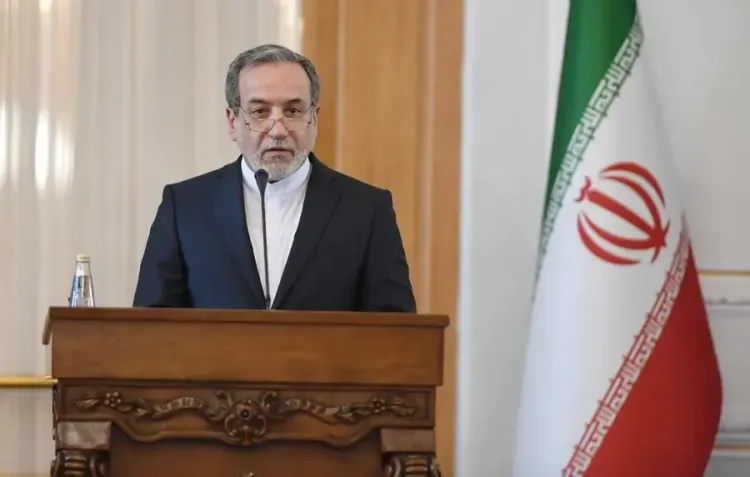
Iranian Foreign Minister Seyed Abbas Araghchi has denied any Iranian involvement in a drone attack in Kuwait on Thursday that killed two Italians. He said Tehran is ready to work with Kuwait and Italy on a joint investigation into the incident. The denial came hours after Kuwait's military publicly attributed the drones to Iran, sharply raising diplomatic stakes in the Gulf.
Araghchi's Calls to Kuwait and Italy
Araghchi spoke in separate phone calls with Kuwait's Foreign Minister Sheikh Jarrah Jaber Al-Ahmad Al-Sabah and Italy's Foreign Minister Antonio Tajani. According to reports, he told both counterparts that Iran “had no role or involvement whatsoever in the occurrence of this event.”
He said Iran was prepared to carry out a joint investigation with Kuwait and Italy. The aim would be to examine the details of the incident, identify its origin and determine the parties involved.
Araghchi expressed regret to the Kuwaiti minister over the casualties and damage caused by the attack. In his call with Tajani, he expressed regret over the deaths of the two Italian nationals and offered condolences and sympathy to the Italian government and people.
According to Italian media reports, Tajani said Araghchi told him the drone “was absolutely not launched by Iranian armed forces, nor did it originate from Iran.”
Kuwait's Version of Events
Earlier, Kuwaiti military spokesperson Saud Abdulaziz Al-Atwan said in a statement on social media platform X that Kuwaiti forces had detected and engaged several “hostile drones” within the country's airspace. He attributed the drones to Iran.
According to Al-Atwan, falling debris from the targeted facility killed two Italians, injured one Kuwaiti and one Pakistani, and caused material damage. Kuwaiti authorities have not publicly identified the facility.
Iran's Armed Forces Echo the Denial
Araghchi's remarks followed a similar rejection from Iran's military establishment. Senior armed forces spokesman Abolfazl Shekarchi dismissed Kuwait's claim earlier on Thursday, according to Iranian semi-official media. He said the Iranian Armed Forces had conducted no military or offensive operations in the region.
Tehran's political and military leadership have therefore given a coordinated message. Iran rejects responsibility and frames the joint probe as proof of good faith.
Why the Incident Matters
The attack is one of the more serious recent security incidents involving a Gulf state. Kuwait and Iran now have directly contradictory accounts of who launched the drones.
The deaths of European nationals bring Italy into the diplomatic picture. That widens the incident beyond a bilateral Gulf dispute and puts pressure on all three governments to establish the facts quickly.
So far, neither Kuwait nor Italy has publicly said whether it will accept Iran's offer of a joint investigation. Kuwait has also not released technical evidence supporting its attribution.
What Happens Next
Attention will now turn to the joint probe. The key questions are whether Kuwait and Italy take up Tehran's offer, and whether Kuwaiti authorities share evidence on the drones' origin. The answers are likely to shape the diplomatic fallout across the region in the coming days.
Point of View
But it has not shared evidence. Iran has issued a categorical denial, but it has not explained where the drones came from. Tehran's offer of a joint probe is a smart diplomatic move: it is hard to reject without looking evasive, and it shifts the burden of proof to Kuwait. Italy now holds unusual leverage. Whether Rome demands transparency from both sides or quietly accepts the denial will show how much Europe is willing to press on Gulf security. For India, which has millions of nationals in Kuwait and a Pakistani worker among the injured, the incident is a reminder that Gulf escalation quickly becomes a diaspora safety issue.
NationPress
27 Nov 2026
Frequently Asked Questions
What happened in the Kuwait drone attack?
Kuwaiti forces detected and engaged several hostile drones in the country's airspace on Thursday, according to Kuwait's military. Falling debris from the targeted facility killed two Italians, injured one Kuwaiti and one Pakistani, and caused material damage.
Did Iran carry out the drone attack on Kuwait?
Iran has denied any involvement. Foreign Minister Seyed Abbas Araghchi said Iran had no role whatsoever in the incident. Kuwait's military, however, has attributed the drones to Iran.
What did Araghchi tell Italy's foreign minister?
Araghchi told Antonio Tajani that the drone was not launched by Iranian armed forces and did not originate from Iran, according to Tajani. He also offered condolences over the deaths of the two Italians.
Is there going to be an investigation into the Kuwait drone attack?
Iran has offered to conduct a joint investigation with Kuwait and Italy to establish the attack's origin and the parties involved. Neither Kuwait nor Italy has publicly said whether it will accept.
Who was killed and injured in the Kuwait drone incident?
Two Italian nationals were killed, and one Kuwaiti and one Pakistani were injured, according to Kuwaiti military spokesperson Saud Abdulaziz Al-Atwan.