Kuwait air defenses intercept missiles and drones amid Iran-US conflict
Synopsis
Kuwait's air defence systems are actively intercepting Iranian missiles and drones as the US-Iran conflict spills into Gulf civilian infrastructure. Power plants and desalination facilities have been hit, sirens are blaring nationwide, and Jordan has also shot down Iranian projectiles — marking a dangerous new phase in regional escalation.
Key Takeaways
Kuwait activated nationwide warning sirens on 21 July as its air defences intercepted 'hostile' missiles and drones.
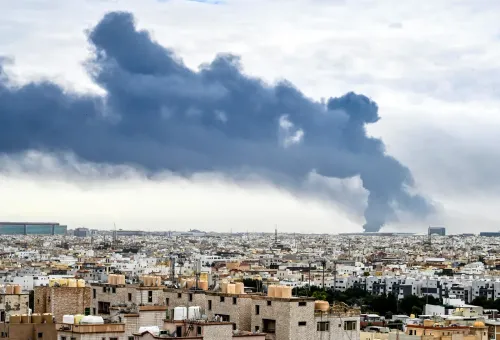
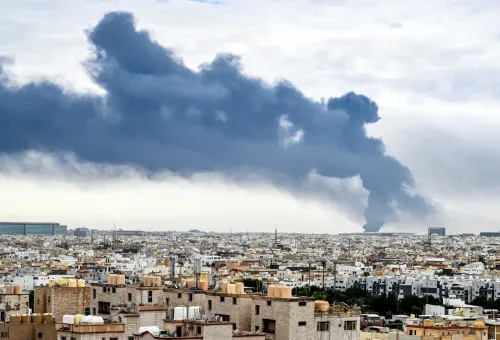
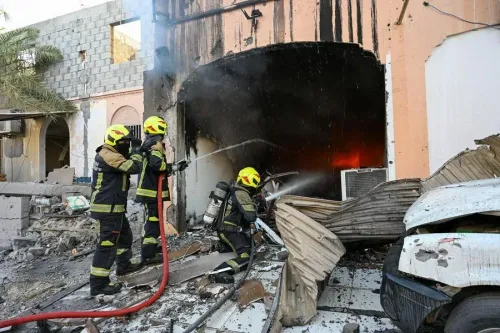
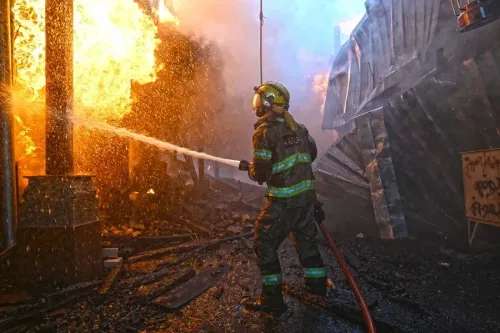
Kuwait's Ministry of Electricity, Water and Renewable Energy confirmed attacks on power generation and water desalination plants on Monday evening , triggering fires at multiple facilities.
Several electricity-generating units were taken offline as a precaution; damage assessment and repairs are underway.
Iran has targeted US bases and facilities in Bahrain , Kuwait , and Jordan with missiles and drones.
The United States has conducted multiple waves of strikes on Iran over the past week, citing threats to shipping in the Strait of Hormuz .
Jordan intercepted three Iranian missiles and neutralised five drones on Tuesday, with no reported casualties.
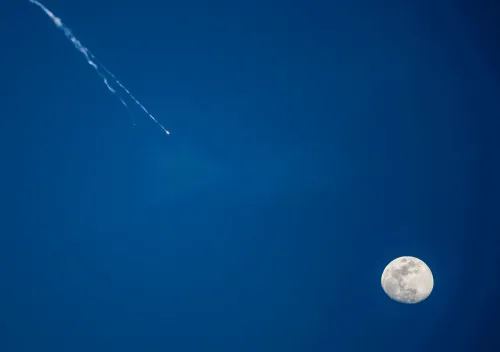
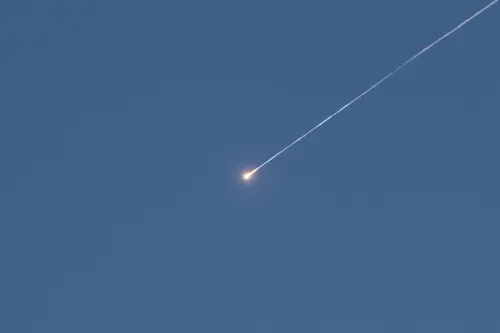
Kuwait on Tuesday, 21 July activated warning sirens nationwide as its air defence systems responded to what the General Staff of the Kuwaiti Armed Forces described as 'hostile' missile and drone threats. In a statement on social media platform X, the military confirmed that any explosions heard by residents were the result of interceptions, urging the public to follow safety instructions from relevant authorities.
Key Developments
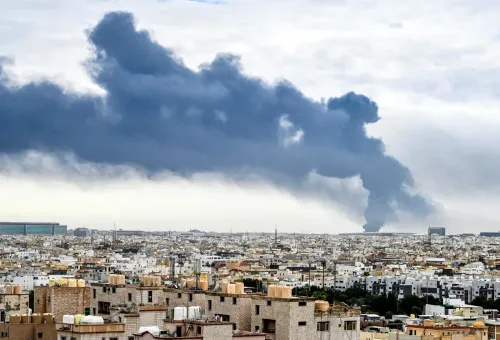
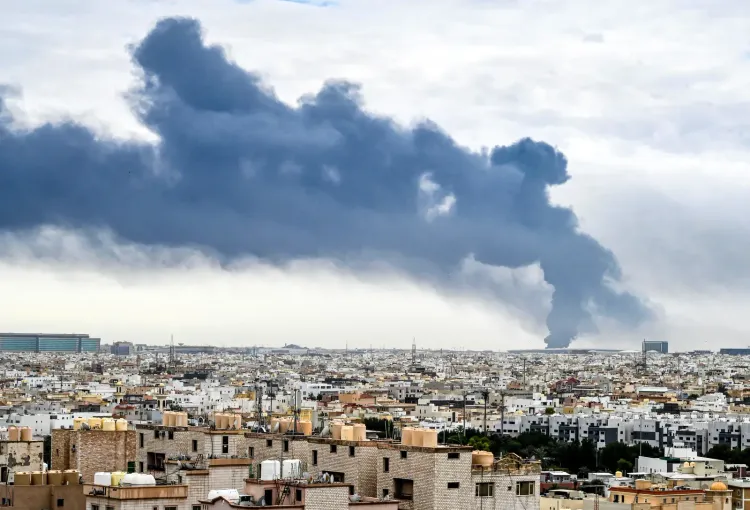
Kuwait's state news agency reported that sirens remained active as aerial interceptions continued throughout the day. Recent strikes on Kuwait have targeted military installations and vital infrastructure — including oil facilities, power generation plants, and water desalination facilities — causing injuries and material damage, according to Kuwaiti authorities.
Kuwait's Ministry of Electricity, Water and Renewable Energy confirmed in a separate statement that several power generation and water desalination plants were attacked on Monday evening, triggering fires at multiple facilities. As a precautionary measure, several electricity-generating units were taken offline to protect equipment and maintain the stability of the country's power and water supply systems. Damage assessment, repair, and rehabilitation work are underway. The ministry did not specify the number or locations of the affected plants, nor did it report any casualties.
The Iran-US Escalation Behind the Strikes
The attacks on Kuwait are part of a rapidly escalating regional conflict. Iran has reportedly targeted US bases and facilities in Bahrain, Kuwait, and Jordan with missiles and drones. In response, the United States has carried out multiple waves of strikes on Iran over the past week, saying the operations were aimed at 'degrading Iran's ability to threaten commercial shipping' in the Strait of Hormuz, according to reports.
This marks a significant escalation in the Gulf, with civilian infrastructure now directly in the line of fire — a threshold that raises the stakes for regional stability and global energy markets.
Jordan Also Intercepts Iranian Missiles and Drones
Kuwait is not alone in facing aerial threats. On Tuesday, the Jordan Armed Forces confirmed that its air defence systems intercepted and shot down three Iranian missiles. In a separate statement, Jordan said it 'neutralised' five drones launched from Iran overnight and into Tuesday morning. No casualties or damage were reported in Jordan.
Impact on Infrastructure and Public Safety
The strikes on Kuwait's desalination and power plants represent a direct threat to civilian welfare in a country that relies heavily on desalinated water for daily needs. The temporary shutdown of generating units, while protective, underscores the vulnerability of critical infrastructure to sustained aerial assault. Authorities have not yet disclosed the full extent of damage or a timeline for restoration.
What Happens Next
With the US-Iran confrontation showing no signs of immediate de-escalation, Gulf states find themselves on the front lines of a conflict not of their making. Regional air defence systems are under sustained pressure, and the targeting of civilian infrastructure signals a dangerous broadening of the conflict's scope. International responses and diplomatic efforts to contain the escalation are being closely watched.
Point of View
Not collateral damage — it demonstrates that Iran is willing to strike civilian infrastructure to raise the cost of hosting US military presence. For Gulf states, this exposes a structural vulnerability: air defences can intercept projectiles, but the economic and psychological toll of sustained attacks on water and power systems is cumulative. The broader danger is normalisation — each intercepted salvo that causes 'only' material damage lowers the threshold for the next strike. The international community's silence on the civilian infrastructure targeting is a gap that could prove costly.
NationPress
20 Oct 2026
Frequently Asked Questions
What is happening in Kuwait with missiles and drones?
Kuwait's air defence systems are actively intercepting hostile missiles and drones as of 21 July. The Kuwaiti Armed Forces confirmed the interceptions on social media platform X, stating that explosions heard by residents were the result of these defensive actions.
Who is attacking Kuwait and why?
According to Kuwaiti authorities and reports, Iran has been targeting US bases and facilities in Kuwait, Bahrain, and Jordan with missiles and drones. This is part of an escalating exchange following multiple US strikes on Iran aimed at protecting commercial shipping in the Strait of Hormuz.
What infrastructure has been damaged in Kuwait?
Kuwait's Ministry of Electricity, Water and Renewable Energy confirmed that several power generation and water desalination plants were attacked on Monday evening, causing fires at multiple facilities. Some generating units were taken offline as a precaution; the ministry has not disclosed casualty figures or the specific locations affected.
Has Jordan also been targeted by Iran?
Yes. On Tuesday, the Jordan Armed Forces said its air defence systems intercepted three Iranian missiles and neutralised five drones launched from Iran overnight and into Tuesday morning. No casualties or damage were reported in Jordan.
What is the broader context of these attacks?
The strikes are part of a rapidly escalating US-Iran confrontation. The United States has carried out multiple waves of strikes on Iran over the past week, citing the need to protect commercial shipping in the Strait of Hormuz. Iran has responded by targeting US military installations and allied infrastructure across the Gulf region.