Iran expels Swedish diplomat within 48 hours over Stockholm embassy row
Synopsis
A tit-for-tat diplomatic expulsion has broken out between Iran and Sweden: Stockholm first asked an Iranian embassy official to leave over alleged activities against 'Jewish and Israeli interests,' and Tehran has now ordered a Swedish diplomat out within 48 hours. With Iran warning of further 'reciprocal actions' and accusing Sweden of operating under Israeli influence, a rare bilateral crisis is unfolding at the heart of Europe-Iran relations.
Key Takeaways
Iran ordered a Swedish diplomat to leave within 48 hours on 17 September 2026 in direct retaliation for Sweden's move against an Iranian embassy official in Stockholm .
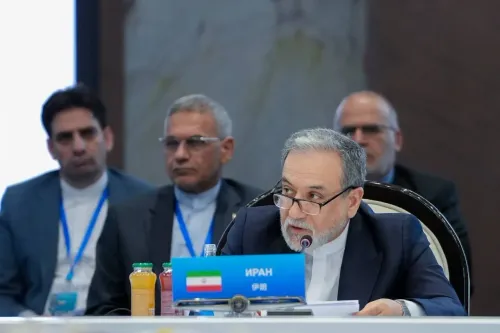
Alireza Yousefi , director general for Western Europe at Iran's Foreign Ministry, summoned the Swedish ambassador to lodge a formal protest.
Sweden's Justice Minister Gunnar Strommer said the original expulsion related to alleged Iranian activities against 'Jewish and Israeli interests' in Sweden.
Tehran rejected Sweden's claims as 'baseless,' accused Stockholm of acting 'under Israel's influence,' and warned of further reciprocal actions .
Iran argued Sweden's move violated international law and the Vienna Convention on Diplomatic Relations .
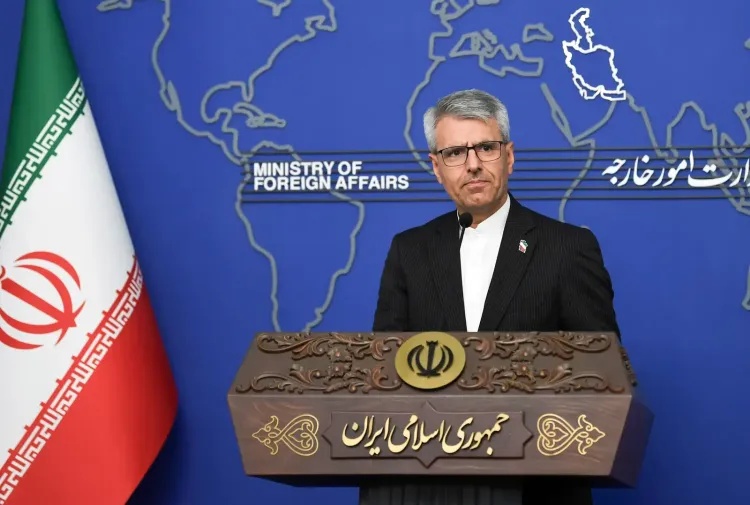
Iran on Thursday, 17 September 2026, ordered a Swedish diplomat to leave the country within 48 hours, retaliating against Sweden's earlier expulsion of an official from the Iranian embassy in Stockholm. Tehran simultaneously rejected Sweden's accusations as 'baseless,' framing its reciprocal move as a defence of international law and sovereign rights.
How the Diplomatic Standoff Unfolded
Alireza Yousefi, director general for Western Europe at Iran's Foreign Ministry, summoned the Swedish ambassador to Iran on Thursday morning and lodged a strong protest against what Tehran described as Sweden's 'destructive' policies. The ministry cited Stockholm's 'inappropriate rhetoric about Iran' and its alleged hosting of 'anti-Iran terrorist groups and individuals' as the basis for its grievances.
During the meeting, the Swedish ambassador was formally notified that a Swedish diplomat had been ordered to depart Iran within 48 hours 'due to reasons that were explained to the ambassador,' according to Iran's Foreign Ministry statement.
Sweden's Original Move and Its Stated Reasons
Sweden's Foreign Ministry had, on Wednesday, summoned Iran's ambassador and asked an Iranian embassy official to leave Stockholm over activities deemed 'not compatible with the Vienna Convention on Diplomatic Relations.' Swedish Justice Minister Gunnar Strommer later elaborated to state broadcaster SVT that the decision was made over Iran's alleged activities against 'Jewish and Israeli interests' in Sweden.
The expulsion order represents one of the more direct Swedish actions against Iranian diplomatic personnel in recent memory, and places the bilateral relationship under renewed strain.
Tehran's Counter-Accusations and Legal Framing
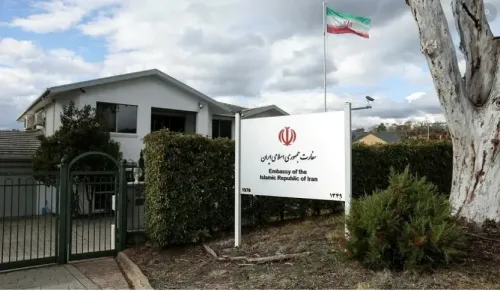
Iran's Foreign Ministry pushed back sharply, asserting that Stockholm had, 'in an unjustified move that is in violation of international law, compelled a diplomat serving at Iran's embassy in Stockholm to leave the country without any justified reason.' The ministry further alleged that Sweden's action was taken 'under Israel's influence' and was an attempt to disrupt the normal functioning of the Iranian embassy in Stockholm.
Tehran also made 'baseless allegations' about Iran's involvement in Sweden's domestic security affairs, the ministry said, warning that Iran would adopt 'necessary measures to protect its national rights and interests, including through reciprocal actions.'
Broader Context: A Strained Relationship
The expulsion exchange comes against a backdrop of long-running tensions between Iran and several European Union member states over alleged Iranian state-linked operations on European soil. Sweden, in particular, has been a flashpoint — Tehran has repeatedly objected to Stockholm granting asylum and residence to individuals Iran regards as political enemies. This latest episode deepens an already fraught relationship at a time when Europe-Iran diplomatic engagement remains fragile.
What Happens Next
Iran's warning of further 'reciprocal actions' leaves open the possibility of additional diplomatic personnel being asked to leave on either side. Analysts note that tit-for-tat expulsions, if they escalate, could effectively hollow out both countries' embassy operations and complicate any future diplomatic channel. Both governments are expected to make formal representations through their respective foreign ministries in the coming days.
Point of View
But its accusation that Stockholm acted 'under Israeli influence' signals that Iran intends to internationalise the framing. The risk now is a cascading reduction in diplomatic representation that leaves both sides with fewer back-channels precisely when geopolitical tensions in the wider region demand them most.
NationPress
17 Sept 2026
Frequently Asked Questions
Why did Iran order a Swedish diplomat to leave?
Iran ordered a Swedish diplomat to leave within 48 hours on 17 September 2026 as a direct retaliation after Sweden expelled an Iranian embassy official from Stockholm. Tehran described its move as a reciprocal action after rejecting Sweden's accusations as baseless.
Why did Sweden expel the Iranian embassy official?
Sweden's Foreign Ministry said the Iranian embassy official was asked to leave over activities 'not compatible with the Vienna Convention on Diplomatic Relations.' Justice Minister Gunnar Strommer later specified the decision related to alleged Iranian activities against 'Jewish and Israeli interests' in Sweden.
What is Iran's official position on the expulsion?
Iran's Foreign Ministry called Sweden's move an unjustified violation of international law and accused Stockholm of acting under Israel's influence to disrupt the normal operations of Iran's embassy. Tehran also denied any involvement in Sweden's domestic security affairs.
Could the situation escalate further?
Iran has warned it will adopt 'necessary measures to protect its national rights and interests, including through reciprocal actions,' leaving the door open to further expulsions or diplomatic downgrades. If tit-for-tat measures continue, both countries risk hollowing out their embassy operations and losing key diplomatic channels.
What is the background to Iran-Sweden tensions?
Iran and Sweden have a history of diplomatic friction, including disputes over Sweden granting asylum to individuals Tehran considers political enemies, and broader European concerns about alleged Iranian covert activities on EU soil. The latest expulsion is one of the most direct Swedish actions against Iranian diplomatic personnel in recent years.