Can Talks Between Iran and the US Progress Without Excessive Demands?
Synopsis
In a significant statement, a senior advisor to Iran's Supreme Leader indicated that negotiations with the US could advance on realistic terms. This comes amidst ongoing tensions and military movements in the region. Could this open the door to a more stable diplomatic relationship?
Key Takeaways
Negotiations can progress if grounded in realism.
Avoidance of excessive demands is crucial.
Iran's missile program is a non-negotiable red line.
Military readiness is high, raising risks of miscalculations.
Diplomatic efforts are vital for regional stability .
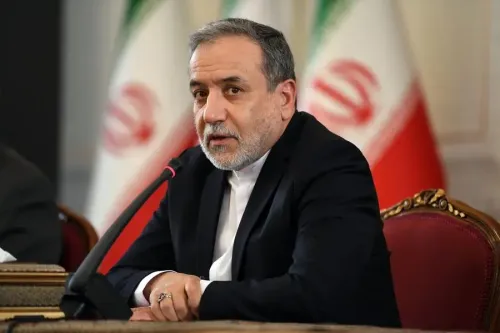
Tehran, Feb 14 (NationPress) A prominent advisor to Iran's Supreme Leader, Ali Khamenei, expressed that discussions between Tehran and Washington could progress effectively while safeguarding shared interests, provided they are based on realism and do not involve excessive demands.
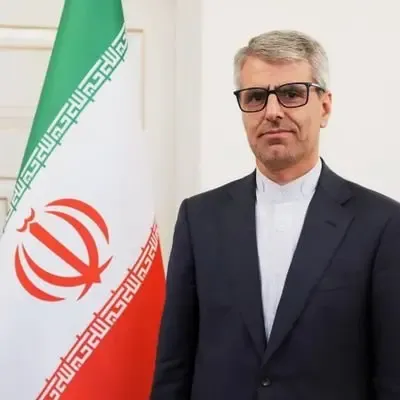
Ali Shamkhani, who serves as the secretary of Iran's Defence Council, shared these insights during an interview with Qatar's Al Jazeera, published on Friday, regarding the renewed indirect nuclear talks between Iran and the United States. This initial round took place in Oman on February 6, as reported by Xinhua news agency.
Shamkhani emphasized that avoiding actions that could jeopardize the stability and security of West Asia is a logical and sensible approach for all parties involved. He added that diplomatic efforts within the region are focused on reducing tensions and fortifying political resolutions.
He underscored that Iran’s missile program is a red line for the country and is non-negotiable, warning that Iran will deliver a strong, decisive, and appropriate response to any potential provocations.
Moreover, he asserted that Israel cannot initiate an attack on Iran without support from the US, highlighting that Iran's military preparedness is high, which increases the risks of any miscalculations by any party.
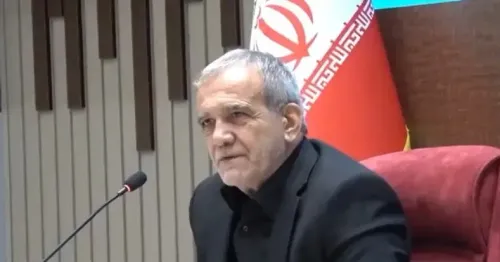
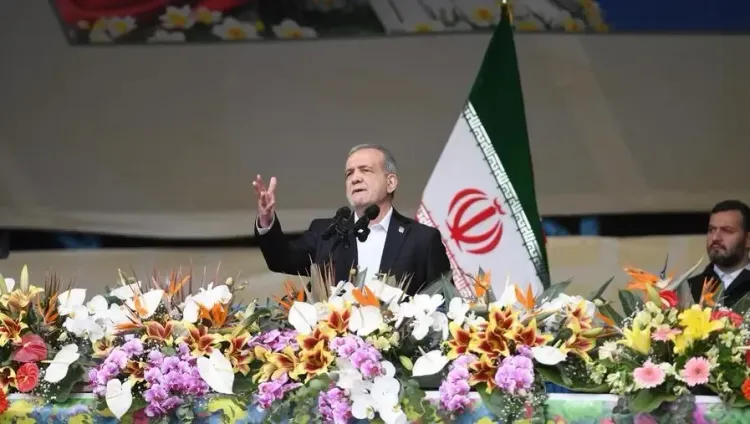
These comments come in the context of rising tensions between Tehran and Washington, alongside a US military buildup in the region, despite ongoing diplomatic efforts. Earlier, Iranian President Masoud Pezeshkian stated that Iran would “not submit to excessive demands” regarding its nuclear program, reiterating that Tehran is open to “any verification” of its nuclear activities and is not pursuing an atomic weapon.
Point of View
It's crucial to recognize the delicate balance of negotiations between Iran and the US. While there are challenges ahead, the emphasis on realism and avoiding excessive demands indicates a potential pathway toward diplomatic resolution. The international community must remain vigilant and supportive of peaceful dialogue.
NationPress
29 Sept 2026
Frequently Asked Questions
What are the main concerns regarding Iran's nuclear program?
Iran's nuclear program raises concerns due to its potential military applications, which Iran insists are for peaceful purposes only. The program is a focal point in negotiations with the US and other nations.
What role does the US play in the tensions between Iran and Israel?
The US plays a significant role as an ally to Israel, often providing military support, which heightens tensions in the region, especially concerning Iran's military capabilities.
How can diplomatic efforts reduce tensions in West Asia?
Diplomatic efforts can facilitate dialogue, build trust, and create frameworks for cooperation, ultimately aiming to de-escalate conflicts and promote stability in West Asia.