Iran warns Hormuz Strait is not a military stage for outside powers
Synopsis
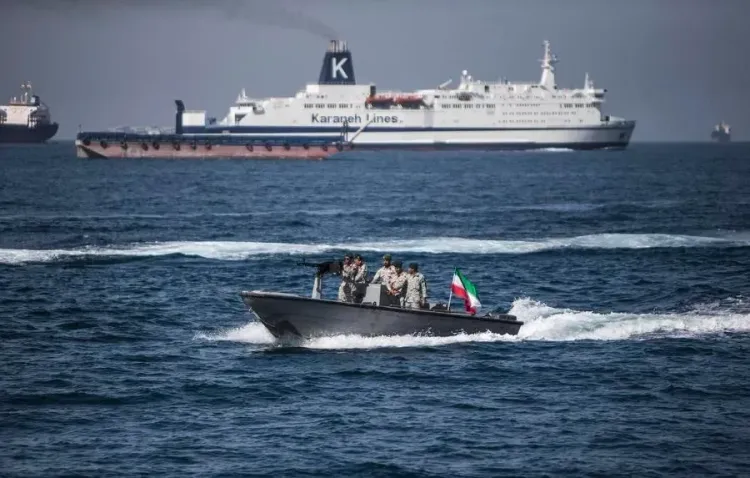
Iran's deputy foreign minister has publicly warned Britain, France, and other external powers to stay out of the Strait of Hormuz — and backed it up with action. Eight vessels were turned back at the chokepoint on Saturday, one crude tanker redirected northward, and Tehran insists the strait is solely its and Oman's to govern. With a British-French multinational naval mission now on the table, the world's most critical oil passage is heading toward a direct test of wills.
Key Takeaways
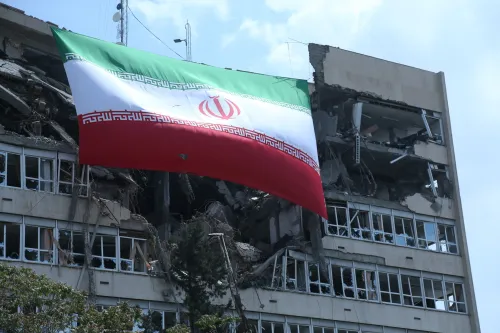
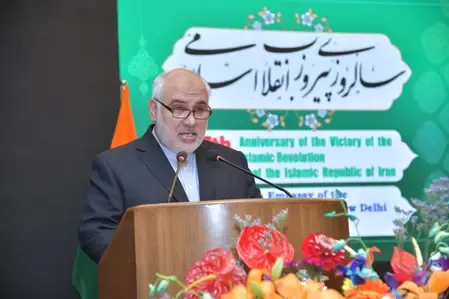
Iran's Deputy FM Kazem Gharibabadi warned on 5 July that the Strait of Hormuz is not a “theater” for transregional military display.
Eight vessels attempting to cross the strait along the Oman coast were reportedly turned back on Saturday .
One crude tanker, two products tankers, and one bulk carrier were redirected northward on Iran's direction, according to reports.
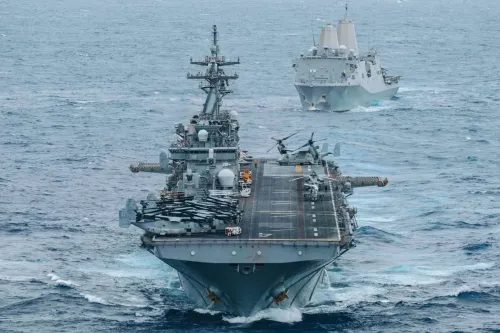
Britain and France have declared readiness to deploy a Multinational Military Mission to ensure freedom of navigation in the strait.
Iran has barred passage to Israeli- and US-affiliated vessels since 28 February , following joint strikes on Iranian territory.
Tehran asserts that strait security is the sole responsibility of Iran and Oman , rejecting any external mandate.
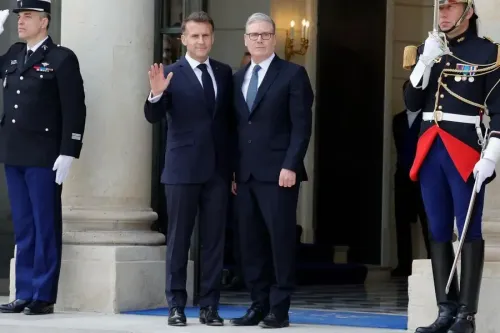
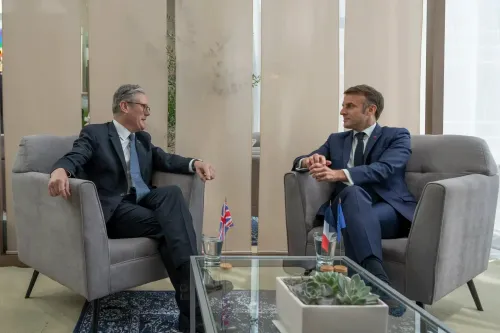
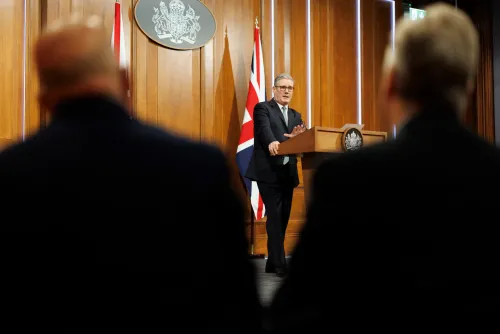
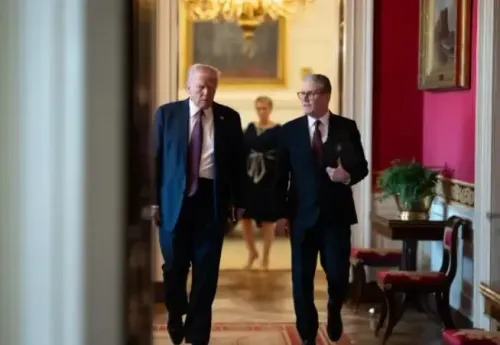
Iran's Deputy Foreign Minister for Legal and International Affairs, Kazem Gharibabadi, on 5 July issued a sharp warning that the Strait of Hormuz is not a “theater” for transregional powers to display military force, dismissing a joint statement by outgoing British Prime Minister Keir Starmer and French President Emmanuel Macron as an overreach into waters Tehran considers its own sovereign responsibility.
Iran's Warning and Its Basis
Writing on social media platform X, Gharibabadi stated: “Iran, as the responsible authority and guarantor of security in the strait, warns against any military movement in the sensitive waterway.” He further asserted that security in the strait is the sole responsibility of Iran and Oman, rejecting any role for external actors.
This comes amid a joint declaration by Starmer and Macron, who described the strait as a “vital artery” for the global economy and called for restoring “safe transit for ships of all nations” — framing it as “a matter of global concern.” The two leaders also stated that Oman had agreed to work with Britain and France to ensure its sovereign territorial waters remain safe for navigation, and that both nations “stand ready to deploy the wider Multinational Military Mission” to support freedom of navigation.
Vessels Turned Back at the Chokepoint
Iran's semi-official Fars news agency, citing the latest maritime tracking data, reported on Saturday that eight vessels attempting to cross the waterway along the coast of Oman were turned back. According to Bloomberg, some of those vessels “had made it as far as the tip of the Musandam Peninsula that sticks out into the chokepoint, before making sharp reversals.”
Bloomberg further reported that “one crude tanker, two products tankers, and one bulk carrier then sailed northward to take an outbound route” as directed by Iran. The incidents underscore how operational Tehran's control over the strait has become in recent months.
Context: Iran's Tightened Grip Since February
Iran has progressively tightened its control over the Strait of Hormuz since 28 February, when it barred safe passage to vessels belonging to or affiliated with Israel and the United States — a move that followed their joint strikes on Iranian territory. Notably, approximately 20% of global oil supplies transit the strait, making any sustained disruption a direct threat to international energy markets.
This is not the first time Iran has leveraged the strait as a pressure point in geopolitical standoffs, but the combination of active vessel turnarounds and diplomatic warnings to European powers marks a notable escalation in its posture.
What Happens Next
The standoff sets the stage for a potential confrontation between Iran's declared authority over the strait and the West's stated intent to deploy a multinational naval mission. Whether Oman — which shares jurisdiction, according to Tehran — will formally align with the British-French framework or maintain its traditionally neutral diplomatic stance remains a critical variable. Energy markets and global shipping operators are closely watching for any further escalation.
Point of View
However well-intentioned, handed Tehran a perfect foil — framing Western involvement as imperial overreach in waters Iran considers its own backyard. The critical unknown is Oman, whose quiet diplomacy has historically kept the strait from tipping into full closure. If Muscat formally endorses the UK-France framework, Tehran's jurisdictional argument collapses; if it hedges, the multinational mission loses its legal anchor. Energy markets have not yet priced in a prolonged standoff — that complacency may not last.
NationPress
5 Jul 2026
Frequently Asked Questions
Why is Iran warning foreign powers over the Strait of Hormuz?
Iran's Deputy Foreign Minister Kazem Gharibabadi warned on 5 July that the Strait of Hormuz is not a stage for transregional military display, asserting that security there is the sole responsibility of Iran and Oman. The warning was a direct response to a joint statement by British PM Keir Starmer and French President Emmanuel Macron expressing readiness to deploy a multinational naval mission in the waterway.
What happened to vessels trying to cross the Strait of Hormuz?
According to Iran's semi-official Fars news agency, eight vessels attempting to cross the strait along the Oman coast were turned back on Saturday. Bloomberg reported that one crude tanker, two products tankers, and one bulk carrier were redirected northward on Iran's direction after reaching the tip of the Musandam Peninsula.
When did Iran begin restricting passage through the Strait of Hormuz?
Iran began barring safe passage to vessels belonging to or affiliated with Israel and the United States on 28 February, following joint strikes by those two countries on Iranian territory. Since then, Tehran has progressively tightened its operational grip over the chokepoint.
What did Britain and France say about the Strait of Hormuz?
Outgoing British PM Keir Starmer and French President Emmanuel Macron described the strait as a 'vital artery' for the global economy and said restoring safe transit for all nations is 'a matter of global concern.' They stated that Oman had agreed to work with them on safe navigation and that both countries stand ready to deploy a Multinational Military Mission in the strait.
Why does the Strait of Hormuz matter globally?
The Strait of Hormuz is one of the world's most critical energy chokepoints, with approximately 20% of global oil supplies transiting through it. Any sustained disruption to navigation there has immediate consequences for international energy markets and global shipping.