Iran FM demands EU action after Ukraine strikes Iranian ship in Caspian
Synopsis
Ukraine's strike on an Iranian commercial ship in the Caspian Sea — killing a sailor — has drawn Tehran into an open confrontation with Kyiv, with Iran's Foreign Minister demanding EU and UN Security Council accountability. The incident introduces a combustible new dimension to the Russia-Ukraine conflict, one that could test Europe's diplomatic bandwidth precisely when it is least prepared.
Key Takeaways
Iran's Foreign Minister Seyed Abbas Araghchi called on the EU to take 'decisive' action after a Ukrainian strike hit an Iranian commercial ship in the Caspian Sea on 26 July .
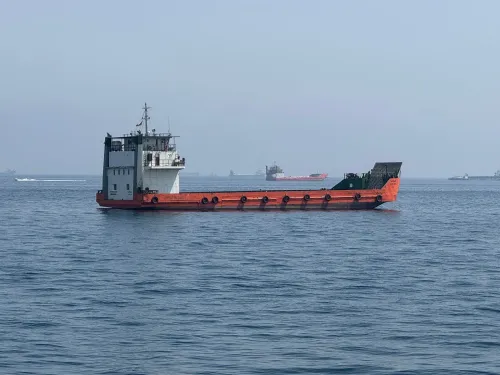
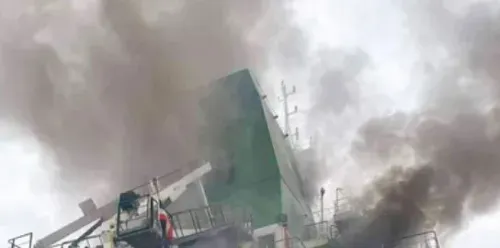
The attack caused the vessel to explode, killing one sailor and wounding another , according to the Iranian Foreign Ministry .
Iran summoned Ukraine's charge d'affaires in Tehran and delivered a formal protest note condemning the act as 'hostile and criminal.' Tehran called the strike a violation of the UN Charter and an 'act of aggression,' warning Ukraine will be held responsible for consequences.
Ukrainian President Volodymyr Zelensky said forces struck a Russian warship and vessels carrying Iran-linked military cargo in the Caspian.
The two sides also discussed tensions in the Strait of Hormuz , urging diplomatic initiatives to manage regional instability.
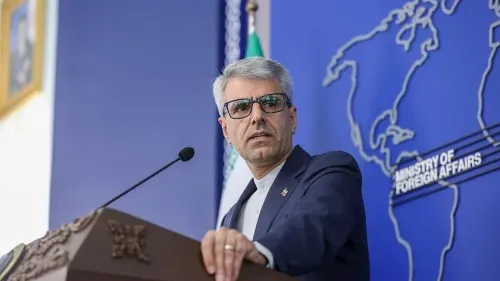
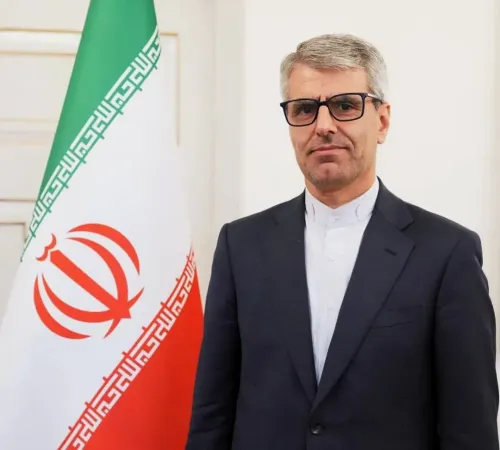
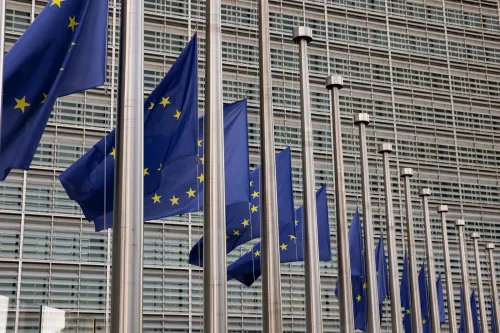
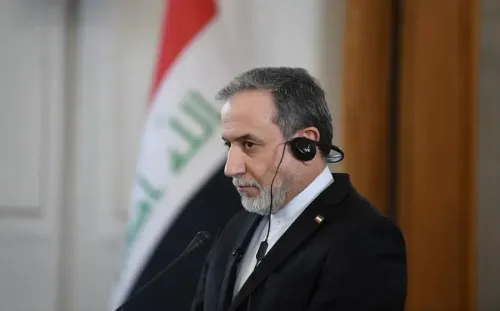
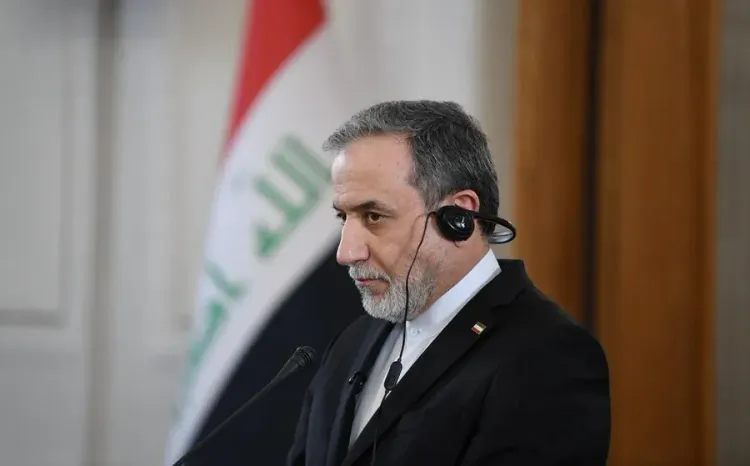
Iran's Foreign Minister Seyed Abbas Araghchi on Saturday, 26 July called on the European Union to take 'decisive' action following Ukraine's strike on an Iranian commercial vessel in the Caspian Sea — an attack that killed one sailor and wounded another. The demand came during a phone call between Araghchi and EU foreign policy chief Kaja Kallas, according to a statement issued by the Iranian Foreign Ministry.
What Happened
A Ukrainian strike caused the Iranian commercial ship to explode in the Caspian Sea, according to the Iranian Foreign Ministry. One sailor was killed and another wounded in the incident. Iran's Foreign Ministry formally summoned Ukraine's charge d'affaires in Tehran on the same day, delivering a note of protest that condemned the act as 'hostile and criminal.'
What Tehran Said
The Iranian Foreign Ministry described the Ukrainian strike as a violation of the UN Charter and an 'act of aggression.' It stressed that Iran has never intervened in the conflict between Russia and Ukraine, warning that the strike risked further spreading 'the flames of the war and insecurity in a dangerous manner.' Tehran also warned that Ukraine would be held responsible for the consequences of what it called its 'adventurism,' and that Iran 'will not hesitate to defend its national interests and security.'
Araghchi's Demands
During his call with Kallas, Araghchi urged the EU, the UN Security Council, and the broader international community to hold the 'perpetrators' and their supporters accountable. The two sides also discussed developments in the Strait of Hormuz, stressing the need for diplomatic initiatives to manage rising regional tensions, according to the ministry's statement.
Ukraine's Position
Ukrainian President Volodymyr Zelensky said on Saturday that his country's forces had struck a Russian warship and vessels reportedly used to transport Iran-linked military cargo in the Caspian Sea. Kyiv has not publicly addressed the Iranian commercial ship casualty separately, and the divergence in the two governments' accounts underscores the contested nature of events on the ground.
Wider Implications
This incident marks a significant escalation in the already fraught relationship between Tehran and Kyiv. Iran has long faced Western accusations of supplying Russia with drones and military equipment — allegations Tehran has denied. The targeting of an Iranian commercial vessel, if confirmed as described by Tehran, introduces a new and volatile front in the broader Russia-Ukraine conflict, with potential consequences for regional stability across the Caspian and the Strait of Hormuz. How the EU responds to Araghchi's demand will be closely watched as a signal of European appetite to engage Tehran diplomatically amid ongoing nuclear negotiations.
Point of View
Ukraine has handed Iran a diplomatic grievance that complicates Europe's already delicate balancing act between pressuring Russia and not inflaming Iran. Tehran's invocation of the UN Charter is notable: a country that has itself faced sustained accusations of arming Russia is now positioning itself as the aggrieved party under international law. The EU's response, or lack thereof, will reveal how seriously Brussels weighs Iranian sensitivities at a moment when nuclear diplomacy with Tehran remains unresolved. If Iran's account of the ship's civilian nature holds, the episode could quietly shift some non-Western opinion on the conflict's boundaries.
NationPress
26 Jul 2026
Frequently Asked Questions
What happened to the Iranian ship in the Caspian Sea?
A Ukrainian strike caused an Iranian commercial vessel to explode in the Caspian Sea on 26 July, killing one sailor and wounding another, according to the Iranian Foreign Ministry. Iran has condemned the attack as an 'act of aggression' violating the UN Charter.
Why did Iran summon Ukraine's charge d'affaires?
Iran summoned Ukraine's charge d'affaires in Tehran on 26 July to formally deliver a note of protest over the strike on its commercial ship. The ministry described the act as 'hostile and criminal' and demanded accountability from Ukraine.
What did Iran's Foreign Minister ask the EU to do?
Foreign Minister Seyed Abbas Araghchi urged the EU, the UN Security Council, and the international community to take 'decisive' action and hold the 'perpetrators' and their supporters accountable for the attack on the Iranian vessel.
What did Ukraine say about the Caspian Sea strike?
Ukrainian President Volodymyr Zelensky said his forces struck a Russian warship and vessels used to transport Iran-linked military cargo in the Caspian Sea. Kyiv's account differs from Tehran's characterisation of the targeted vessel as a civilian commercial ship.
What are the broader implications of this incident?
The strike introduces a new front of tension between Iran and Ukraine, with potential ripple effects on regional stability in the Caspian and the Strait of Hormuz. It also complicates EU diplomacy, as Brussels must now weigh Iranian demands against its support for Ukraine in the Russia-Ukraine conflict.