India summons Iran envoy after 1 Indian sailor killed in Strait of Hormuz strike
Synopsis
An Iranian missile strike on two UAE tankers in the Strait of Hormuz has killed one Indian sailor and left nine others injured — and India's response has been its sharpest yet: a formal summoning of Iran's envoy and a public condemnation. With Indian seafarers confirmed as the single most-affected nationality in West Asia's shipping attacks, New Delhi's carefully calibrated neutrality in the conflict is now under real pressure.
Key Takeaways
Iranian cruise missiles struck UAE tankers Mombasa and Al Bahiyah in the Strait of Hormuz on 14 July .
One Indian seafarer was killed and nine others injured — two critically — across the two vessels, which carried a combined 30 Indian crew .
India summoned Mohammad Javad Hosseini , Iran's Deputy Chief of Mission , to lodge a formal protest and demand an immediate halt to attacks.
MEA spokesperson Randhir Jaiswal confirmed Indian nationals have suffered the highest number of deaths among all nationalities in commercial shipping attacks since the conflict began.
New Delhi called for de-escalation and a return to dialogue and diplomacy to restore peace and stability in West Asia .
India on Tuesday, 14 July reiterated its demand for safe and unimpeded navigation through the Strait of Hormuz after Iranian cruise missiles struck two UAE merchant vessels in the waterway, killing one Indian seafarer and injuring nine others, two of them critically. New Delhi summoned senior Iranian diplomats to lodge a formal protest, marking one of its sharpest diplomatic responses to the escalating West Asia conflict.
The Attack: What Happened
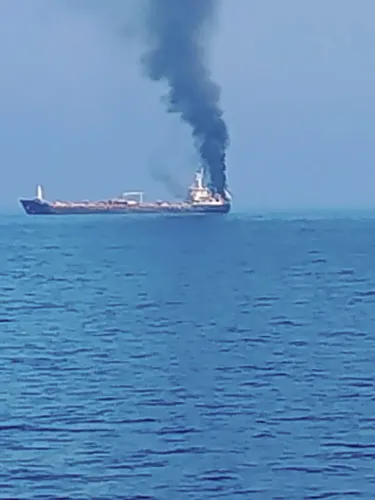
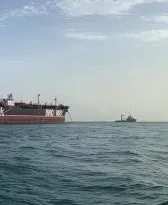
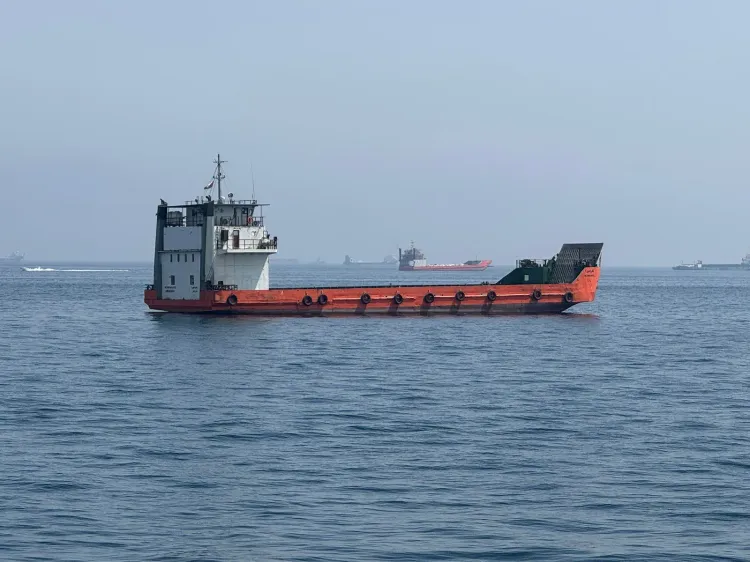
Two UAE tankers — Mombasa and Al Bahiyah — were struck by Iranian cruise missiles while transiting the southern passage of the Strait of Hormuz. The two vessels together carried 30 Indian seafarers. On the Mombasa, which had 12 crew members on board, one Indian sailor lost his life. On the Al Bahiyah, carrying 18 Indian seafarers, nine sustained serious injuries, with two in critical condition.
India's Diplomatic Response
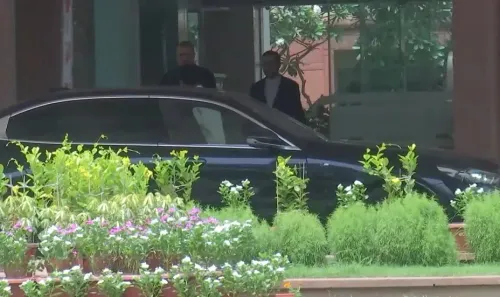
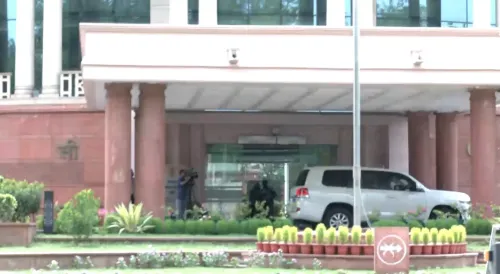
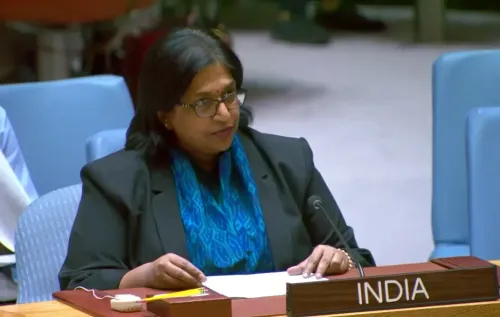
The Ministry of External Affairs (MEA) summoned Mohammad Javad Hosseini, Deputy Chief of Mission of Iran, to convey New Delhi's strongest protest. MEA spokesperson Randhir Jaiswal, addressing a weekly media briefing, confirmed the démarche and said India 'strongly condemned' the strikes. 'We conveyed our strongest protest to the Iranian side on this matter, stating that these attacks must stop at the earliest,' Jaiswal said.
Jaiswal also called for immediate de-escalation and urged both sides to return to dialogue. 'There should be de-escalation, and the two sides should come to the negotiating table and take the path of dialogue and diplomacy so that peace and stability can be ensured in West Asia,' he stated.
India's Exposure: Highest Casualties Among All Nationalities
Jaiswal noted that Indian seafarers have borne a disproportionate share of fatalities in commercial shipping attacks since hostilities began in the region. 'Among all nationalities, Indian seafarers have suffered the highest number of deaths in attacks on commercial shipping,' he said. The latest casualties add to a mounting toll that has made India one of the most directly affected non-belligerent nations in the conflict.
Strategic Stakes: Energy and Commerce
The Strait of Hormuz is a critical chokepoint through which a significant share of global oil exports pass. India, which depends heavily on West Asia for its energy needs, has consistently advocated freedom of navigation in the waterway. 'The free flow of commerce through the Strait of Hormuz is key for ensuring the economic and energy security of people across the world,' Jaiswal said. This comes amid a broader escalation in the region, with commercial shipping repeatedly targeted in recent months.
What Comes Next
New Delhi is closely monitoring the situation and has signalled it will continue pressing for de-escalation through diplomatic channels. The MEA has not announced any further retaliatory or protective measures, but the summoning of Iran's envoy and the public condemnation represent a notable hardening of India's public posture. With Indian nationals confirmed as the most-affected seafaring community in the ongoing conflict, pressure on the government to secure their safety is likely to intensify.
Point of View
Making any coercive posture costly. If attacks on commercial shipping continue and Indian casualties mount, the gap between New Delhi's rhetoric on de-escalation and its capacity to enforce it will become increasingly difficult to sustain.
NationPress
13 Oct 2026
Frequently Asked Questions
What happened in the Strait of Hormuz on 14 July?
Iranian cruise missiles struck two UAE merchant vessels — Mombasa and Al Bahiyah — while they were transiting the southern passage of the Strait of Hormuz. The two ships carried 30 Indian seafarers; one was killed and nine were seriously injured, two of them critically.
How did India respond to the attack?
India summoned Mohammad Javad Hosseini, the Deputy Chief of Mission of Iran, to lodge a formal protest and strongly condemned the strikes. MEA spokesperson Randhir Jaiswal said India conveyed its 'strongest protest' and demanded that such attacks stop immediately.
Why does the Strait of Hormuz matter to India?
The Strait of Hormuz is a critical global energy and trade chokepoint. India, which relies heavily on West Asian oil imports, has a direct economic and energy security stake in keeping the waterway open for safe and unimpeded navigation.
How many Indian sailors have been affected in West Asia shipping attacks overall?
According to MEA spokesperson Randhir Jaiswal, Indian seafarers have suffered the highest number of deaths among all nationalities in attacks on commercial shipping since the conflict in the region began. The 14 July attack adds to that cumulative toll.
What is India calling for in West Asia?
India is calling for immediate de-escalation and a return to dialogue and diplomacy. New Delhi has urged both sides in the conflict to come to the negotiating table to ensure peace and stability in the region, while continuing to monitor developments closely.