Iraq reopens Iran border crossings in phases after drone attack probe
Synopsis
Iraq's phased reopening of three Iran border crossings is directly tied to a drone attack on Saudi Arabia's East-West Pipeline launched from Iraqi soil — a crisis that cost the Maysan Operations Commander his job and prompted Baghdad to approve a joint investigation with Tehran, all while asking Riyadh to hold its fire.
Key Takeaways
Iraq announced a phased reopening of Shalamcheh , Mandali , and al-Sheeb border crossings with Iran on Sunday .
Passenger travel at al-Sheeb and Shalamcheh resumed at 6 am Sunday ; commercial trade resumes in stages through Thursday .
Closures were triggered after drones targeting Saudi Arabia's East-West Pipeline were confirmed to have been launched from Maysan province , Iraq.
Iraqi Prime Minister Ali al-Zaidi dismissed the Maysan Operations Commander and approved a joint Iraq-Iran investigation into drone launch sites.
Saudi Arabia said it refrained from retaliation at the Iraqi prime minister's request after the pipeline attack caused injuries and damage.
The Zurbatiyah and al-Munthiriya crossings remained open throughout and continue to operate around the clock.
Iraq on Sunday, 14 September 2025 announced a phased reopening of three major border crossings with Iran — Shalamcheh, Mandali, and al-Sheeb — following administrative and security reviews ordered in the wake of a drone attack on Saudi Arabia's East-West Pipeline that was reportedly launched from Iraqi territory.
The Reopening Schedule
According to a statement by the Security Media Cell (SMC), affiliated with the Iraqi Joint Operations Command, passenger travel through al-Sheeb and Shalamcheh resumed at 6 am on Sunday. Commercial trade at Shalamcheh is set to resume on Monday, followed by Mandali on Tuesday and al-Sheeb on Thursday. The SMC also clarified that the Zurbatiyah and al-Munthiriya crossings were never closed and continue to operate around the clock.
What Triggered the Closures
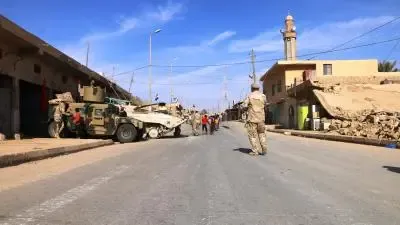
Iraqi security authorities on Saturday initiated administrative and security reorganisation at several border crossings, closing them to investigate security breaches. The closures followed confirmation that drone attacks targeting Saudi Arabia had been launched from a site in Maysan province in southern Iraq. In response, Iraqi Prime Minister Ali al-Zaidi dismissed the Maysan Operations Commander on Saturday — a swift accountability move signalling Baghdad's intent to take the incident seriously.
The Saudi Pipeline Attack
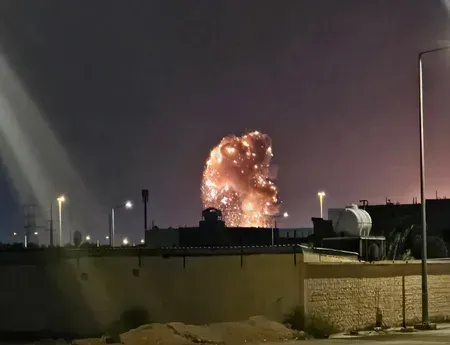
The Saudi Foreign Ministry stated on Friday that its East-West Pipeline was struck by multiple drones launched from Iraq, resulting in injuries and infrastructure damage. The pipeline is a strategic artery that transports crude oil from Saudi Arabia's eastern fields to the Red Sea port of Yanbu, bypassing the Strait of Hormuz. Notably, Saudi Arabia said it refrained from a retaliatory response at the request of the Iraqi prime minister — a diplomatic restraint that has bought Baghdad critical time to manage the fallout.
Joint Investigation Approved
Prime Minister al-Zaidi also approved Iran's request to conduct a joint investigation to locate drone launch platforms near the Iraq-Iran border, according to Sabah al-Numan, Spokesman for the Commander-in-Chief of Iraqi forces. The move reflects Baghdad's attempt to demonstrate transparency while managing relations with both Tehran and Riyadh simultaneously — a delicate balancing act given Iraq's geographic and political position between the two regional rivals.
What Comes Next
The phased reopening suggests Baghdad is moving to normalise cross-border activity while the security investigation remains active. Whether the joint Iraq-Iran probe yields actionable findings — and how Riyadh responds if it does not — will be closely watched by regional observers. The incident underscores the continued vulnerability of Gulf energy infrastructure to non-state or proxy actors operating within Iraq's borders.
Point of View
Approving a joint investigation with Tehran, and personally asking Riyadh not to retaliate — reveals just how exposed Iraq is to the consequences of proxy activity on its soil. The phased border reopening is as much a diplomatic signal as an operational one: Iraq is trying to reassure both Iran and Saudi Arabia simultaneously, which is structurally contradictory. If the joint probe implicates Iran-linked groups, that contradiction becomes impossible to manage quietly. The East-West Pipeline attack is also a reminder that Gulf energy infrastructure remains a live target, and that Iraq's territorial sovereignty is still porous enough to be exploited — a problem no border reorganisation alone will fix.
NationPress
13 Sept 2026
Frequently Asked Questions
Why did Iraq close its border crossings with Iran?
Iraq closed several border crossings on Saturday to conduct administrative and security reorganisation after authorities confirmed that drone attacks on Saudi Arabia's East-West Pipeline had been launched from Maysan province in southern Iraq. The closures were intended to investigate security breaches at the crossings.
Which Iraq-Iran border crossings are reopening and when?
Passenger travel at al-Sheeb and Shalamcheh resumed at 6 am on Sunday. Commercial trade at Shalamcheh resumes Monday, Mandali on Tuesday, and al-Sheeb on Thursday. The Zurbatiyah and al-Munthiriya crossings were unaffected and remain open around the clock.
What happened to Saudi Arabia's East-West Pipeline?
The Saudi Foreign Ministry said on Friday that the East-West Pipeline was struck by multiple drones launched from Iraq, causing injuries and damage. The pipeline carries crude oil from Saudi Arabia's eastern fields to the Red Sea port of Yanbu, bypassing the Strait of Hormuz. Saudi Arabia said it refrained from retaliating at Iraqi Prime Minister al-Zaidi's request.
What action did Iraqi Prime Minister Ali al-Zaidi take after the drone attack?
Al-Zaidi dismissed the Maysan Operations Commander on Saturday and approved Iran's request for a joint investigation to locate drone launch platforms near the Iraq-Iran border. He also personally asked Saudi Arabia to hold back from a retaliatory response.
What is the Security Media Cell (SMC) in Iraq?
The Security Media Cell is the official communications body affiliated with the Iraqi Joint Operations Command. It issues statements on military and security operations on behalf of Iraq's armed forces command structure.