Eisenkot to test Netanyahu unity offer within 24 hours
Synopsis
Netanyahu has offered to give up the top job first, a rare concession for a leader whose party won roughly 250,000 more votes. Gadi Eisenkot's reply is cautious: prove it within 24 hours. With a 6 December deadline approaching and conscription unresolved, Israel's unity talks have moved from posturing to a deadline.
Key Takeaways
Gadi Eisenkot said he will assess within 24 hours whether Benjamin Netanyahu is serious about a unity government.
Netanyahu offered to let Eisenkot serve as prime minister first, with himself as alternate prime minister.
Likud reportedly won about 250,000 more votes than Eisenkot's Yashar party in the 27 October election.
Eisenkot said a detailed policy proposal sent via a confidential channel on Sunday has gone unanswered.
President Isaac Herzog gave Eisenkot until 6 December to form a government, with a possible 14-day extension .
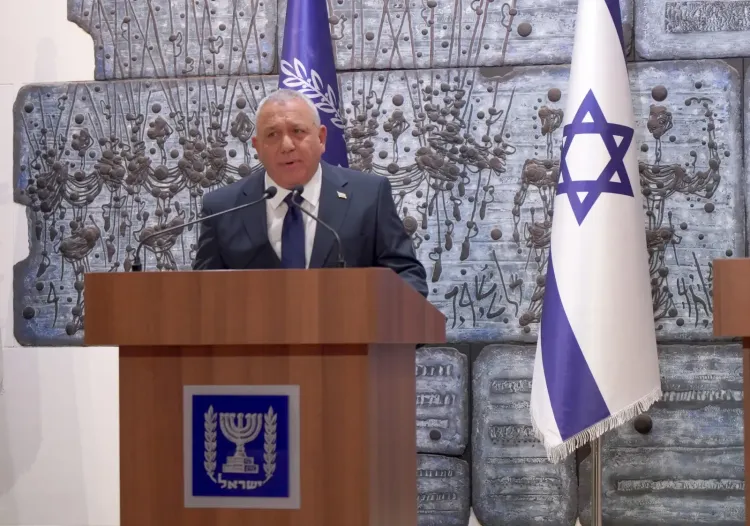
Israeli opposition leader Gadi Eisenkot has said he will assess within the next 24 hours whether Prime Minister Benjamin Netanyahu is serious about forming a national unity government. He made the remarks in Jerusalem in a social media post on Saturday evening. The statement responds to Netanyahu's offer to let Eisenkot serve as prime minister first under a rotation arrangement. Israel remains in political deadlock after the 27 October election produced no clear majority.
Key Developments
Eisenkot was replying to Netanyahu's earlier announcement. Netanyahu said he was willing to let the opposition leader head a proposed unity government at the start of its term, while he would serve as alternate prime minister.
Eisenkot invited Netanyahu's Likud negotiating team to begin “genuine and accelerated negotiations” as early as Saturday night. He said the talks should focus on the government's guiding principles and key policy issues.
He also said a detailed proposal on substantive policy matters was delivered to Netanyahu on Sunday. According to Eisenkot, it was sent through a confidential channel set up at the prime minister's request. He claimed he had yet to receive a response.
What Eisenkot Said
“For nearly three weeks, we have been proposing and seeking genuine, sincere and accelerated negotiations, but have encountered refusals and evasions,” Eisenkot said.
Eisenkot added that he was willing to make political concessions to help form a unity government, according to reports. He described Israeli solidarity as a fundamental component of the country's national security.
Netanyahu's Offer on X
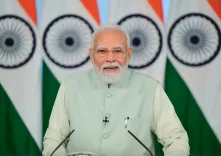
Earlier, Netanyahu set out his position in a statement posted on social media platform X. He said he was prepared to set aside the principle that the leader of the largest party should head the government.
He made the offer even though Likud reportedly received about 250,000 more votes than Eisenkot's Yashar party. Netanyahu called for accelerated talks and said he expected the other side to make similar compromises.
He said agreements would be needed on several issues, including military conscription. Conscription has long been one of the most divisive questions in Israeli coalition politics.
Notably, the two leaders now publicly agree on the need for speed. Each, however, accuses the other of stalling, which leaves questions about how far apart the camps actually are.
The Coalition Clock
Israeli President Isaac Herzog tasked Eisenkot with forming a government because the 27 October election gave neither Netanyahu's bloc nor Eisenkot's a parliamentary majority.
Eisenkot has until 6 December to form a government. He can request a 14-day extension if needed.
The coming days will show whether Netanyahu's rotation offer becomes formal negotiations. The outcome will shape Israel's leadership, its conscription policy and its broader security direction for the term ahead.
Point of View
But it comes from a leader who controls the larger vote share and may be shifting the burden of failure onto his rival. Eisenkot's 24-hour test is an effort to turn a public gesture into binding commitments before the 6 December clock runs out. The real fault line is not who sits in the chair first but conscription, an issue that has collapsed Israeli coalitions before. Unless both sides put concrete policy terms on paper, the unity talk risks becoming a contest over who gets blamed for another election.
NationPress
29 Nov 2026
Frequently Asked Questions
What did Gadi Eisenkot say about Netanyahu's unity offer?
Eisenkot said he would examine within 24 hours whether Netanyahu is serious about forming a national unity government. He invited Likud's team to begin accelerated negotiations immediately.
What did Netanyahu offer Eisenkot?
Netanyahu offered to let Eisenkot serve as prime minister first under a unity government, with himself as alternate prime minister. He made the offer despite Likud reportedly winning about 250,000 more votes than Eisenkot's Yashar party.
What is the deadline for forming Israel's new government?
Eisenkot has until 6 December to form a government. He can request a 14-day extension from President Isaac Herzog.
Why is Israel facing a coalition deadlock?
The 27 October election gave neither Netanyahu's bloc nor Eisenkot's bloc a parliamentary majority. President Herzog then tasked Eisenkot with trying to form a government.
What issues must be resolved in the unity talks?
Netanyahu has said agreements are needed on issues including military conscription. Eisenkot wants talks to focus on the government's guiding principles and key policy matters.