Jaishankar at India-Japan 2+2: Stronger ties key to shaping global order
Synopsis
At the India-Japan 2+2 in Tokyo, EAM Jaishankar didn't just review bilateral ties — he articulated a framework for a multipolar world order. With two ongoing global conflicts, weaponised supply chains, and Quad commitments on the table, the message was clear: India and Japan see each other as indispensable anchors in an increasingly fractured geopolitical landscape.
Key Takeaways
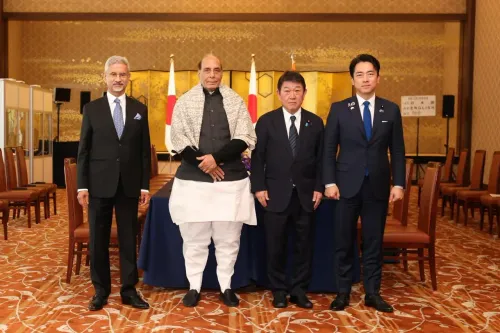
EAM S Jaishankar and Defence Minister Rajnath Singh held the India-Japan 2+2 Foreign and Defence Ministers' Dialogue in Tokyo on 19 November 2026 .
Jaishankar said a stronger India-Japan relationship can play 'a more important role' in shaping the global order as geopolitical pressures intensify.
Both sides reaffirmed commitment to a free and open Indo-Pacific and cooperation with Quad partners.
Jaishankar flagged the 'weaponisation' of connectivity, supply chains and market shares as direct national security concerns.
India and Japan unveiled a logo to mark the 75th anniversary of diplomatic relations to be observed in 2027 .
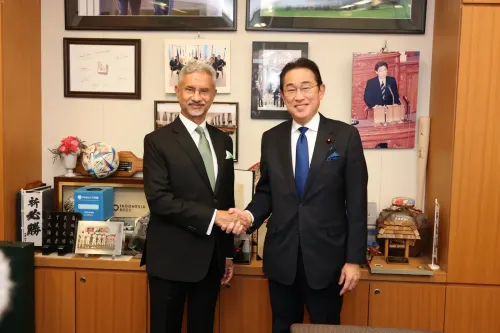
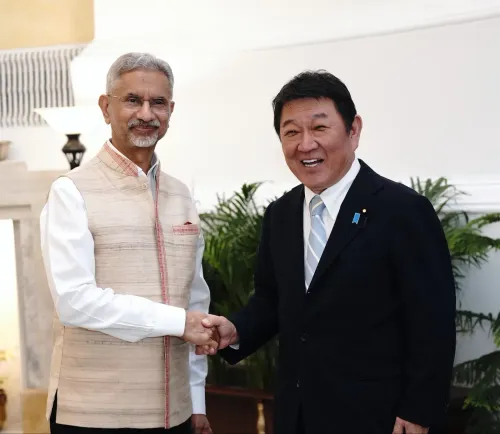
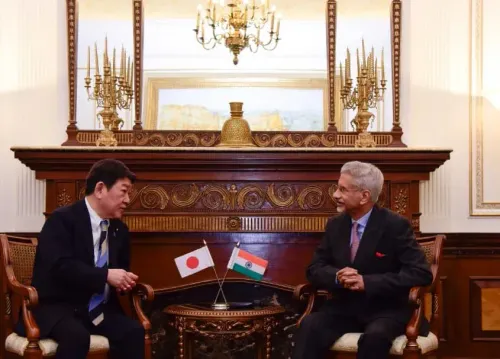
Jaishankar held the 19th Foreign Ministers' Strategic Dialogue with FM Motegi and met LDP leaders Taro Aso and Taro Kono on the sidelines.
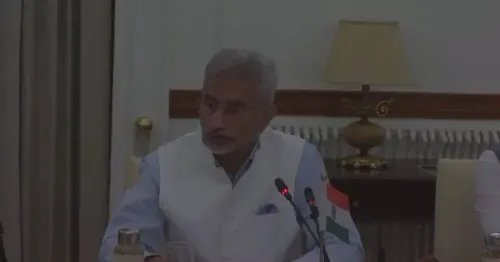
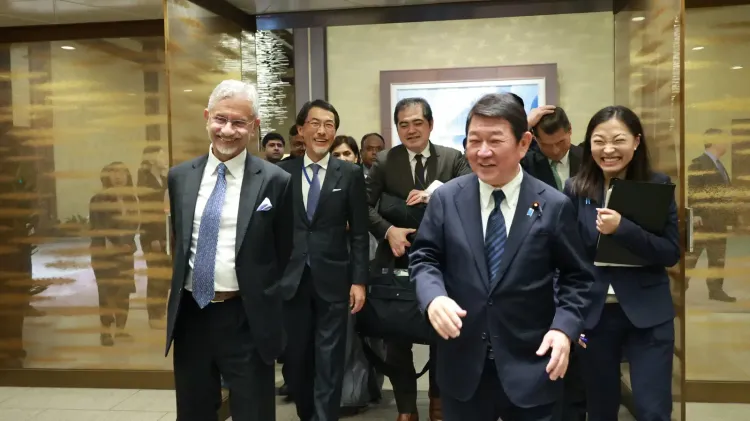
External Affairs Minister S Jaishankar on Thursday, 19 November 2026, said that India and Japan, as two significant Indo-Pacific nations with a long history of friendship, can play a greater role in shaping the global order as geopolitical pressures mount worldwide. He made the remarks at a joint press conference in Tokyo following the conclusion of the India-Japan Foreign and Defence Ministers' Dialogue (2+2).
What Was Said at the 2+2 Press Conference
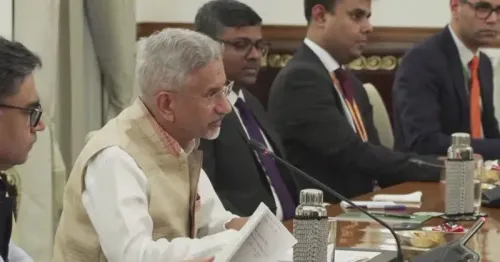
Jaishankar addressed the media alongside Defence Minister Rajnath Singh, Japan's Minister of Defence Shinjiro Koizumi, and Japanese Foreign Affairs Minister Toshimitsu Motegi. Stressing the value of the bilateral relationship, he said: 'We are two significant nations of the Indo-Pacific with a long and continuous history of friendship and goodwill. As we enter an era where each nation has to step up its contributions to the global order, a stronger India-Japan relationship can certainly play a more important role. Our 2+2 discussions today and the understandings we reached were a very good step in that direction.'
Jaishankar framed the meeting against a backdrop of global turbulence, noting that two major ongoing conflicts were being felt even in distant regions. He cited growing economic volatility, the lingering effects of the Covid pandemic, and rising concerns over energy, trade, food and health security as drivers making 'trusted and substantive partnerships' more valuable.
Indo-Pacific, Quad and Strategic Realities
The External Affairs Minister reaffirmed India and Japan's shared commitment to a free and open Indo-Pacific, and said that the two countries, along with their Quad partners, must contribute more towards global welfare as old strategic assumptions give way. 'The reality is that old assumptions may no longer hold true and each one of us will have to make a greater contribution to global good,' he stated.
Jaishankar also flagged what he called a 'growing tendency to weaponize connectivity, resources, services, supply chains and market shares', cautioning that many of these developments carry direct national security implications. He pointed to experiences in the Gulf as an illustration of how concerns about connectivity and chokepoints have sharpened.
Maritime Cooperation and International Law
Underscoring maritime trade as the heart of international commerce, Jaishankar said bilateral maritime cooperation between India and Japan could 'make a difference', and that both sides agreed on the importance of adhering to international law. This comes amid persistent tensions over freedom of navigation in the Indo-Pacific, making the emphasis on maritime rules-based order particularly timely.
Multipolar World and Reformed Multilateralism
Jaishankar articulated a shared vision of a multipolar Asia and a multipolar world, noting that both India and Japan have been consistent advocates of reformed multilateralism. The two sides also participated in the unveiling of a logo to mark the 75th anniversary of diplomatic relations between India and Japan, to be observed in 2027.
Bilateral Meetings on the Sidelines
On the sidelines of the 2+2, Jaishankar held the 19th Foreign Ministers' Strategic Dialogue with Foreign Minister Motegi, reviewing the full spectrum of bilateral cooperation with a focus on economic security and deepening government-to-government, business-to-business, and people-to-people linkages. He also met Taro Aso, Vice President of Japan's Liberal Democratic Party (LDP), and former Foreign Minister Taro Kono at LDP headquarters. Jaishankar posted about all three meetings on X, saying India and Japan agreed on strengthening 'strategic, economic and energy security cooperation.'
The 2+2 dialogue, only the second of its kind between the two nations, signals the deepening of a defence-and-diplomacy partnership that both sides now view as central to Indo-Pacific stability.
Point of View
Delivered with diplomatic restraint. The emphasis on a multipolar Asia is equally loaded: both countries are hedging against a world where the US security umbrella may no longer be unconditional. The 75th anniversary branding for 2027 gives this relationship a political runway, but the harder test will be whether defence and economic cooperation moves from dialogue to deployable outcomes.
NationPress
19 Nov 2026
Frequently Asked Questions
What is the India-Japan 2+2 dialogue?
The India-Japan 2+2 is a Foreign and Defence Ministers' Dialogue that brings together the external affairs and defence ministers of both countries to coordinate on strategic, security and diplomatic issues. The meeting in Tokyo on 19 November 2026 was the latest edition of this high-level format, which mirrors similar 2+2 frameworks India holds with the United States and Australia.
What did EAM Jaishankar say at the India-Japan 2+2 in Tokyo?
Jaishankar said India and Japan, as significant Indo-Pacific nations, can play a greater role in shaping the global order as old strategic assumptions break down. He emphasised threats from weaponised supply chains, the need for maritime cooperation under international law, and a shared vision of a multipolar Asia alongside Quad partners.
Why does the India-Japan 2+2 matter for the Indo-Pacific?
The dialogue matters because both India and Japan are pivotal Quad members committed to a free and open Indo-Pacific. With two major global conflicts ongoing and China's economic leverage a persistent concern, their strategic alignment provides a counterbalancing framework in the region.
What is the significance of the 75th anniversary of India-Japan diplomatic relations?
India and Japan will mark 75 years of diplomatic relations in 2027. The unveiling of a commemorative logo during the 2+2 visit signals that both governments intend to use the milestone to deepen people-to-people, business and strategic linkages over the coming year.
Who did Jaishankar meet on the sidelines in Tokyo?
On the sidelines of the 2+2, Jaishankar held the 19th Foreign Ministers' Strategic Dialogue with FM Toshimitsu Motegi. He also met Taro Aso, Vice President of Japan's Liberal Democratic Party, and former Foreign Minister Taro Kono at LDP headquarters, focusing on deepening bilateral cooperation across strategic, economic and energy security sectors.