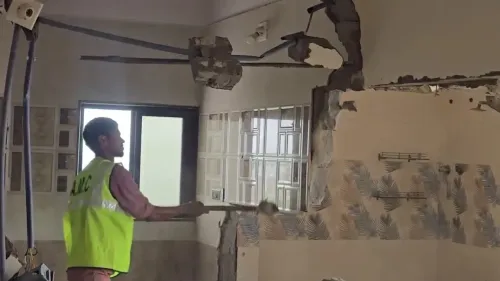
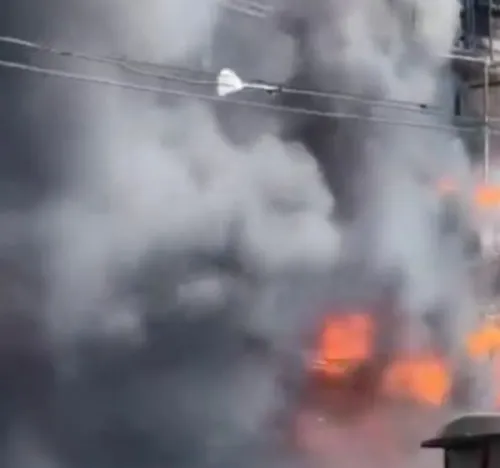
Kawagoe mosque demolition: Japan flags Pakistani community defiance
Synopsis
A Saitama city has ordered the demolition of a Pakistani-linked mosque built without permits, after multiple stop-work orders were ignored. The Pakistani ambassador attended its inauguration on assurances of compliance — then the embassy publicly told its nationals to obey Japanese law. The case, alongside friction in Hokkaido and Fujisawa, is becoming a test of how Japan polices foreign-linked construction.
Key Takeaways
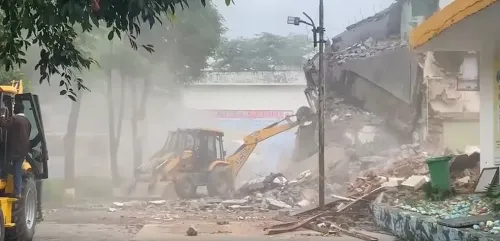
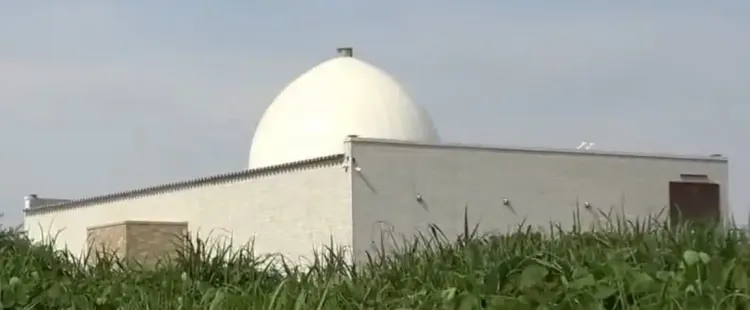
Kawagoe City in Saitama Prefecture ordered the demolition of the Japan Jame Masjid Ramzan in late May 2026 .
The mosque was built without permits in a restricted urbanisation adjustment zone; multiple stop-work orders were reportedly ignored.
The Pakistani Ambassador attended the inauguration on 3 April based on assurances of compliance.
Pakistan's Embassy in Tokyo later urged nationals to comply with Japanese laws on mosque construction and permits.
Parallel disputes have emerged in Hokkaido over alleged illegal structures and in Fujisawa over proposed mosques near Shinto sites.
A demolition order against an unpermitted mosque in Kawagoe City, Saitama Prefecture, has reignited debate in Japan over zoning violations and what one report describes as a ‘presumptuous' attitude within sections of the local Pakistani community. The case, alongside alleged illegal structures in Hokkaido and protests in Fujisawa over proposed mosques near Shinto sites, has surfaced recurring tensions over land-use rules, calls to prayer, traffic, and cultural practices, according to a report in Khalsa Vox.
What happened in Kawagoe
In late May 2026, Kawagoe City ordered the demolition of the Japan Jame Masjid Ramzan, a mosque built without required permits inside a restricted urbanisation adjustment zone, the report stated. Multiple stop-work orders were reportedly ignored after residents flagged the nearly completed structure in late 2024. The owner, described as a Pakistan-affiliated company, eventually submitted a corrective plan agreeing to removal.
Diplomatic embarrassment
The Pakistani Ambassador to Japan had attended the mosque's inauguration on 3 April, following assurances that the project complied with local regulations, the report noted. Shortly thereafter, Pakistan's Embassy in Tokyo issued a public advisory urging its nationals to ‘comply with Japanese laws in all matters, including the construction of mosques' and to secure necessary permits.
Sovereignty, not religion
The Khalsa Vox report argued the controversy is ‘not primarily about religion' but about ‘sovereignty and reciprocity'. Japan, it noted, enforces some of the world's strictest zoning and building rules uniformly, and the urbanisation control zone exists to ‘prevent sprawl, protect rural character, and enforce planning'. Ignoring stop-work orders and presenting a fait accompli, it argued, amounts to ‘defiance of the host nation's framework' rather than a cultural misunderstanding.
Why the embassy advisory matters
Critics quoted in the report said the Embassy's public reminder is itself telling. ‘When a diplomatic mission must publicly instruct its diaspora to follow basic laws, it signals that segments of the community view rules as flexible,' the report observed, adding that the ambassador's attendance based on ‘apparently false assurances' further muddied accountability.
Wider pattern across Japan
The Kawagoe episode comes amid parallel friction points — alleged unauthorised construction in Hokkaido linked to Pakistani interests and resident-led protests in Fujisawa against mosque proposals near Shinto shrines. Together, the report said, these incidents underscore the need for Japan to enforce regulations ‘without favouritism', closely monitor foreign-linked land purchases in sensitive zones, and align residency policies with compliance.
What's next
The corrective plan filed by the mosque's owner sets the stage for demolition, though no timeline has been publicly confirmed. ‘Nations are not hotels,' the report concluded, arguing that tolerance ‘is a two-way street' and that the proper response to non-compliance is ‘insistence on compliance' rather than accommodation. The case is expected to influence how Japanese municipalities scrutinise future foreign-linked religious construction.
Point of View
An unusual admission of a compliance gap. Coverage that treats this purely as a faith-vs-host clash misses the diplomatic signal. With Hokkaido and Fujisawa cases running in parallel, Tokyo's municipal authorities are quietly setting a precedent on foreign-linked construction that will outlast this one mosque.
NationPress
18 Oct 2026
Frequently Asked Questions
What happened at the Kawagoe mosque in Japan?
In late May 2026, Kawagoe City in Saitama Prefecture ordered the demolition of the Japan Jame Masjid Ramzan, a mosque built without required permits in a restricted urbanisation adjustment zone. The owner, a Pakistan-affiliated company, submitted a corrective plan agreeing to removal after multiple stop-work orders were reportedly ignored.
Why did Pakistan's Embassy in Tokyo issue an advisory?
Following the Kawagoe controversy, Pakistan's Embassy in Tokyo publicly urged its nationals to comply with Japanese laws in all matters, including mosque construction, and to secure necessary permits. The advisory came after the Pakistani Ambassador had attended the mosque's inauguration on 3 April based on assurances of regulatory compliance.
Are there similar disputes elsewhere in Japan?
Yes. Reports cite alleged illegal structures in Hokkaido linked to Pakistani interests and resident-led protests in Fujisawa against proposed mosques near Shinto shrines. Together, these have surfaced recurring tensions over zoning, noise from calls to prayer, traffic, and cultural practices.
Why is the case being described as a sovereignty issue, not a religious one?
The Khalsa Vox report argues the dispute is about sovereignty and reciprocity rather than faith, because Japan applies strict zoning and building rules uniformly. Ignoring stop-work orders in a controlled urbanisation zone, it says, amounts to defying the host country's planning framework.
What happens next for the Kawagoe mosque?
The owner has filed a corrective plan agreeing to removal of the structure, though no public demolition timeline has been confirmed. The case is expected to shape how Japanese municipalities scrutinise foreign-linked religious construction going forward.