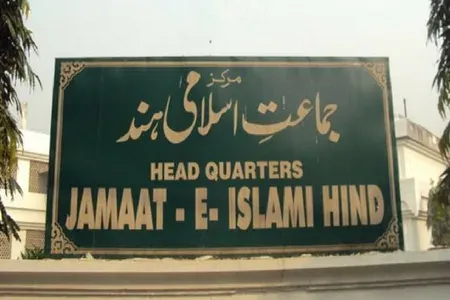
Jamaat-e-Islami Hind demands halt to demolition drives across India
Synopsis
Jamaat-e-Islami Hind has put four major issues on the national table at once — demolition drives spanning at least 11 cities, a reportedly unprecedented Rajya Sabha nomination rejection, reports of post-election coercion in West Bengal, and a call for India to engage more actively on Gaza. The breadth of the agenda signals a deliberate attempt to frame these as interconnected threats to constitutional rights.
Key Takeaways
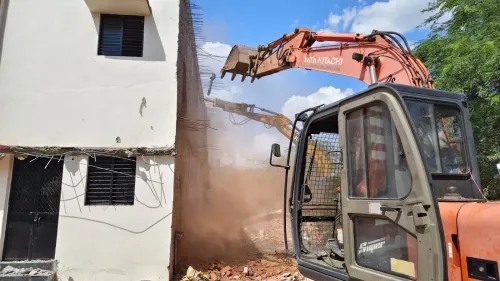
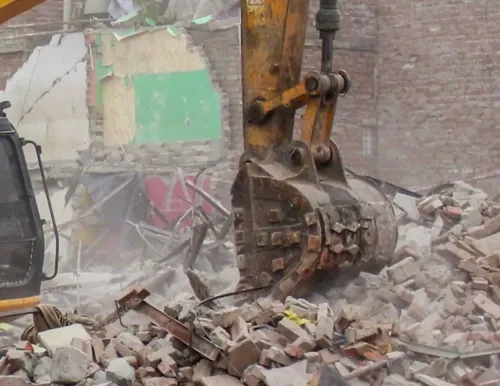
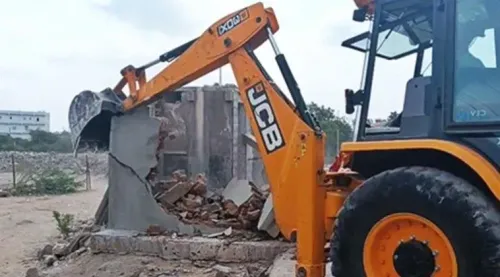
Jamaat-e-Islami Hind on 16 June demanded an immediate halt to demolition drives across 11 cities including Delhi, Varanasi, Sambhal, and Jaipur.
In Surat's Nasir Nagar , 106 houses were demolished over three days ; in Jaipur , the Noorani Mosque was razed for road-widening.
JIH Vice President Salim Engineer flagged the reportedly unprecedented rejection of an Opposition Rajya Sabha candidate's nomination as a 'dangerous precedent.' APCR National Secretary Nadeem Khan cited reports of political coercion and street-level violence in West Bengal as a threat to democratic functioning.
JIH welcomed the US–Iran peace agreement but called on India and the international community to address ongoing humanitarian violations in Gaza and Palestine .
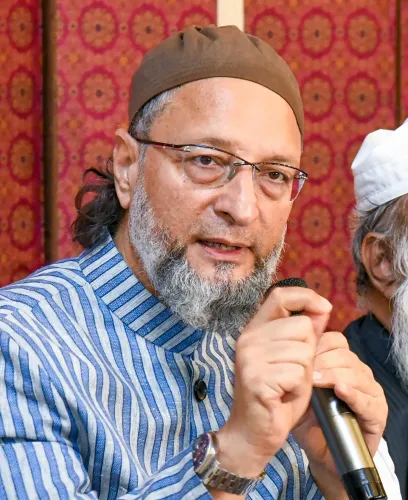
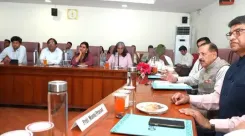
Jamaat-e-Islami Hind (JIH) on Tuesday, 16 June called for an immediate halt to demolition drives being carried out across multiple Indian cities, while also raising concerns over the Rajya Sabha election process, the post-election situation in West Bengal, and the US–Iran peace agreement. Addressing a press conference in New Delhi, senior JIH leaders urged civil society, human rights organisations, and legal experts to stand in solidarity with affected communities.
Demolitions Across Cities: Key Concerns
JIH Vice President Malik Motasim Khan listed a string of cities where demolition drives have taken place in recent weeks, including Delhi, Bandra, Faridabad, Viramgam (Gujarat), Goregaon (Maharashtra), Varanasi, Sambhal, Jaipur, Bhayandar, PCMC, and Etawah.
Khan highlighted that in Pimpri Chinchwad, authorities issued notices to multiple religious structures and demolished several during a late-night operation. In Surat's Nasir Nagar, 106 houses were razed over three days. In Jaipur, the Noorani Mosque was demolished as part of a road-widening project.
'Many affected families have been left without adequate shelter and with no clarity on rehabilitation. Demolitions during the extreme summer have already caused hardship, and the monsoon is likely to worsen the situation,' Khan said. He also invoked the Supreme Court's position that evictions must not be carried out without proper rehabilitation measures in place.
Rajya Sabha Elections: Procedural Fairness Under Scrutiny
JIH Vice President Salim Engineer raised concerns about what he described as recurring irregularities in the Rajya Sabha election process. 'Allegations of horse-trading, money power, intimidation of legislators, and crossvoting have become recurring features,' he said.
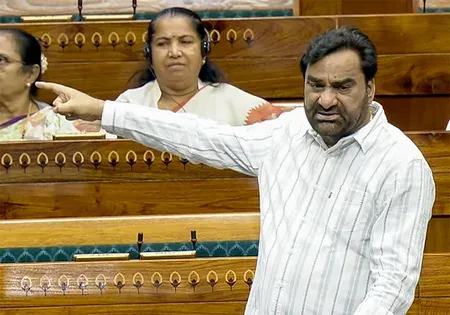
Engineer noted that the recent rejection of a Rajya Sabha candidate's nomination belonging to the Opposition — reportedly for the first time in the Upper House's history — 'puts a question mark on procedural fairness and sets a dangerous precedent.'
West Bengal: Reports of Political Coercion
Association for Protection of Civil Rights (APCR) National Secretary Nadeem Khan flagged what he described as an atmosphere of intimidation in West Bengal following the state elections. 'There are many reports of attempts to forcibly and coercively shift political loyalties, break opposition parties, and incidents of street-level violence against political opponents,' he said.
Khan argued that developments in the state — including demolition drives alongside reports of political coercion — point to 'an emerging climate that is increasingly hazardous to democratic functioning.'
US–Iran Peace Deal: JIH Urges Accountability on Gaza
Welcoming the US–Iran peace agreement, Engineer expressed hope that all agreed-upon provisions would be implemented 'in both letter and spirit.' Jamaat-e-Islami Hind also called on the Government of India to play a more proactive role in promoting international peace and dialogue.
'We express our solidarity with the people of Iran and acknowledge their resilience. It is also important that the international community does not ignore ongoing injustices, particularly issues related to war crimes and humanitarian violations in Gaza and Palestine,' Engineer said.
JIH reiterated that protecting the rights, dignity, and security of all citizens remains fundamental to upholding India's constitutional and democratic framework. The organisation's leaders indicated they would continue to engage with civil society and legal bodies on these issues going forward.
Point of View
Electoral integrity, West Bengal, Gaza — into a single constitutional frame. The demolition data, if verified, would represent a significant pattern: 11 cities in a matter of weeks is not incidental. The Rajya Sabha nomination rejection claim deserves independent scrutiny; if it is genuinely unprecedented, it warrants attention beyond partisan framing. What mainstream coverage may miss is that JIH is explicitly invoking Supreme Court language on rehabilitation — a legally grounded argument that is harder to dismiss than a purely political one.
NationPress
15 Sept 2026
Frequently Asked Questions
What is Jamaat-e-Islami Hind demanding regarding demolition drives?
Jamaat-e-Islami Hind is demanding an immediate halt to demolition drives across multiple Indian cities, citing cases in Delhi, Surat, Jaipur, Pimpri Chinchwad, and others. The organisation says affected families have been left without shelter or rehabilitation, and invokes the Supreme Court's position that evictions must not occur without proper rehabilitation.
Which cities have seen demolition drives according to JIH?
JIH Vice President Malik Motasim Khan listed Delhi, Bandra, Faridabad, Viramgam, Goregaon, Varanasi, Sambhal, Jaipur, Bhayandar, PCMC, and Etawah. He specifically highlighted 106 houses demolished in Surat's Nasir Nagar and the Noorani Mosque razed in Jaipur for road-widening.
What concerns did JIH raise about the Rajya Sabha elections?
JIH Vice President Salim Engineer said allegations of horse-trading, money power, and intimidation of legislators have become recurring features of Rajya Sabha elections. He also flagged the reportedly unprecedented rejection of an Opposition candidate's nomination as raising serious questions about procedural fairness.
What did JIH say about the situation in West Bengal?
APCR National Secretary Nadeem Khan said there are reports of attempts to forcibly shift political loyalties, break opposition parties, and incidents of street-level violence against political opponents in West Bengal. He described the overall climate as 'increasingly hazardous to democratic functioning.'
How did JIH respond to the US–Iran peace agreement?
JIH welcomed the US–Iran peace agreement and expressed hope that its provisions would be implemented fully. The organisation also called on the Government of India to play a more proactive role in international peace efforts and urged the global community not to ignore humanitarian violations in Gaza and Palestine.