Owaisi Flags Mosque Demolitions in Rajasthan Border Districts
Synopsis
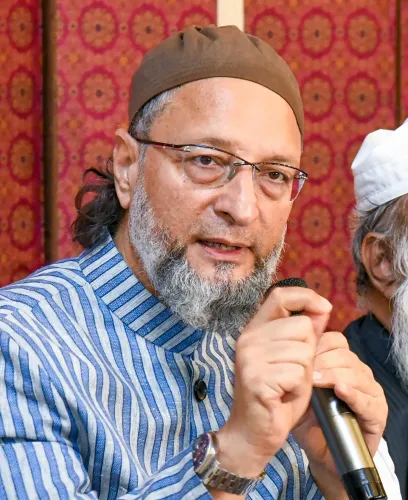
AIMIM president Asaduddin Owaisi on June 21 alleged that 13 mosques and dargahs, including a 250-year-old Jaisalmer shrine, have been demolished in Rajasthan's border districts on national security grounds, and urged Home Minister Amit Shah to stop what he called discriminatory targeted action.
Key Takeaways
13 structures reportedly demolished: four mosques in Bikaner and nine mosques and dargahs across Phalodi, Jaisalmer, and Barmer , according to AIMIM's local district president.
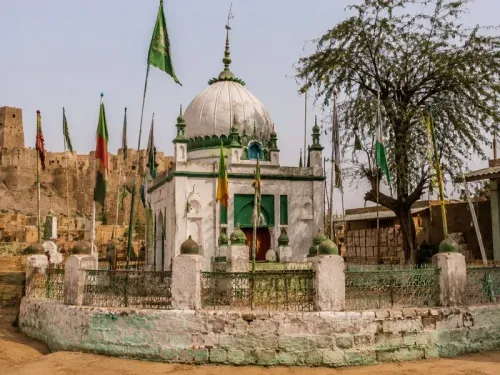
The approximately 250-year-old dargah of Hazrat Mahmood Shah Jilani on the Ramgarh–Tanot Bypass Road in Jaisalmer is among the sites facing action.
Authorities have cited national security grounds and alleged encroachment on grazing land; Owaisi claims the justification shifts to lack of permissions when private ownership is established.
Notices have reportedly been issued to hundreds of additional religious sites in the four districts.
Owaisi directly addressed Union Home Minister Amit Shah , calling the demolitions 'illegal' and demanding their immediate halt.
Similar demolition controversies in Uttar Pradesh, Madhya Pradesh, and Delhi have previously been stayed by courts pending due process.
AIMIM president Asaduddin Owaisi on Sunday, June 21, 2026, alleged that a wave of demolitions targeting mosques, dargahs, and other Muslim religious sites has been carried out across Rajasthan's western border districts of Bikaner, Phalodi, Jaisalmer, and Barmer, and directly called on Union Home Minister Amit Shah to halt what he termed 'discriminatory and targeted' action.
What Owaisi Alleged
Citing AIMIM Bikaner District President Shafi Jameel Qasmi as his on-ground source, Owaisi stated that four mosques in Bikaner and nine mosques and dargahs spread across Phalodi, Jaisalmer, and Barmer have already been demolished. He added that notices have reportedly been issued to hundreds of additional religious sites in the region.
Among the structures facing action, Owaisi specifically identified the approximately 250-year-old dargah of Hazrat Mahmood Shah Jilani, located on the Ramgarh–Tanot Bypass Road in Jaisalmer district. The Hyderabad MP wrote that authorities have justified the demolitions on national security grounds, while in some cases alleging the structures stand on grazing land. He further claimed that where private ownership has been demonstrated, the stated reason has shifted to absence of requisite permissions.
Context
Rajasthan's western frontier districts share a long border with Pakistan and have historically been subject to periodic land-clearance operations by civil and paramilitary authorities citing security requirements, particularly since the 1999 Kargil conflict. The region encompasses sensitive military zones where land-use restrictions are more stringent than in the country's interior.
Owaisi, who represents Hyderabad in the Lok Sabha and leads the All India Majlis-e-Ittehadul Muslimeen (AIMIM), has consistently raised issues of alleged discrimination against Muslim communities in Parliament and on public platforms. His post addressed @AmitShah directly, framing the demolitions as a law-and-order matter under the Home Ministry's purview.
Policy Backdrop
Since 2017, several BJP-governed states have conducted large-scale anti-encroachment drives, typically invoking municipal laws or land-use regulations. Courts have on multiple occasions intervened in similar demolition drives in Uttar Pradesh, Madhya Pradesh, and Delhi, either staying orders or directing authorities to follow due process before razing structures.
The Rajasthan cases sit at the intersection of border management policy and constitutional protections for places of worship. The Indian Constitution guarantees the right of religious minorities to establish and maintain religious institutions, while also empowering the state to regulate land use in the interest of public order and security.
Stakeholders and Impact
The communities most immediately affected are Muslim residents of Bikaner, Phalodi, Jaisalmer, and Barmer districts, including custodians and congregants of the sites reportedly demolished or served notice. Sufi shrines such as the dargah of Hazrat Mahmood Shah Jilani often serve as centres of local religious and cultural life, drawing visitors from surrounding villages.
Opposition parties and civil liberties groups are likely to scrutinise whether the demolitions were preceded by proper legal notice, whether affected parties were given an opportunity to respond, and whether comparable action has been taken against non-Muslim religious structures in the same zones.
What's Next
Legal challenges before the Rajasthan High Court or the Supreme Court of India remain the most immediate avenue for affected communities seeking relief. A formal clarification from the Union Home Ministry or the Rajasthan state government on the legal basis and scope of the clearance drive would be significant in determining whether the demolitions continue or are paused pending judicial review. Owaisi's public call-out of Amit Shah signals that the issue is likely to be pressed in Parliament as well.
Point of View
Effectively creating political pressure parallel to legal remedy. How the Home Ministry and the Rajasthan government respond — or choose not to respond — will signal how far security-zone land-clearance powers can be stretched before judicial intervention becomes inevitable.
NationPress
20 Sept 2026
Frequently Asked Questions
Which mosques and dargahs were demolished in Rajasthan's border districts?
According to AIMIM Bikaner District President Shafi Jameel Qasmi, as cited by Asaduddin Owaisi, four mosques in Bikaner and nine mosques and dargahs across Phalodi, Jaisalmer, and Barmer have been demolished. The approximately 250-year-old dargah of Hazrat Mahmood Shah Jilani on the Ramgarh–Tanot Bypass Road in Jaisalmer is among the identified sites.
Why are Rajasthan authorities demolishing religious structures in border districts?
Authorities have cited national security grounds and alleged encroachment on grazing land as justifications. Owaisi claims that in cases where private ownership of the land has been demonstrated, the stated reason shifts to a lack of requisite permissions or approvals.
What did Owaisi ask Amit Shah to do?
Owaisi directly addressed Union Home Minister Amit Shah on X, calling the demolitions 'discriminatory and targeted' and demanding that they be stopped immediately, describing them as illegal.
Can affected communities legally challenge the Rajasthan demolitions?
Yes. Affected parties can file petitions before the Rajasthan High Court or the Supreme Court of India seeking a stay on further demolitions and challenging the legal basis of the orders. Courts have previously intervened in similar drives in other states, directing authorities to follow due process.
Is the dargah of Hazrat Mahmood Shah Jilani a historically significant site?
Owaisi described the dargah as approximately 250 years old, indicating it predates modern administrative boundaries. Sufi shrines of this vintage are typically regarded as heritage religious sites and often serve as focal points for local community life across the region.