New Zealand tribunal rejects all 40 Khalistan asylum cases in 2025-26

Synopsis
New Zealand's Immigration and Protection Tribunal has rejected every single one of the 40 published Khalistan-related asylum cases it heard across 2025 and 2026 — a complete reversal from 2024, when two similar claims succeeded. The rulings establish a clear precedent: low-level activism abroad, without proof that Indian authorities have taken notice, is not enough to qualify for refugee protection.
Key Takeaways
New Zealand's Immigration and Protection Tribunal rejected all 40 published Khalistan-related asylum cases decided in 2025 and 2026 .
15 cases were dismissed in 2025 and 25 in 2026 , with zero grants of refugee status.
In 2024 , the same tribunal had accepted two Khalistan-linked claims where applicants demonstrated visible political activity likely to attract persecution.
The tribunal characterised one applicant's participation in an Auckland referendum and a Wellington demonstration as 'low level' , finding no evidence of Indian authority interest.
Applicants must prove individual, credible risk of persecution — not merely express support for Khalistan — to meet New Zealand's refugee threshold.
The total number of Khalistan-related asylum applications in New Zealand remains unclear due to the absence of comprehensive official data.
New Zealand's Immigration and Protection Tribunal has dismissed all 40 published asylum cases linked to support for the Khalistan cause that it adjudicated across 2025 and 2026, according to a review of published tribunal rulings. The sweep of rejections marks a notable shift from 2024, when the same tribunal granted refugee status to two applicants on comparable grounds.
Scale of the Rejections
Of the 40 dismissed cases, 15 were decided in 2025 and a further 25 in 2026. Not a single applicant among them was granted refugee status, according to the review cited by Khalsa Vox. Collectively, the rulings signal that identifying with or publicly supporting the Khalistan cause is not, in itself, sufficient to meet New Zealand's legal threshold for refugee protection.
How the 2024 Cases Differed
The contrast with the two successful 2024 applications is instructive. In those earlier cases, Indian nationals were granted refugee status after the tribunal concluded that the nature and visibility of their political activities could plausibly expose them to persecution upon return to India. The more recent rulings have drawn a sharper legal line between expressing public support for Khalistan and demonstrating a genuine, individual risk of persecution — a distinction that has proved decisive.
What the Tribunal Found Lacking
A recurring weakness in the rejected cases, according to the review, was the relatively limited scope of the applicants' political involvement. The tribunal also found insufficient evidence that Indian authorities had become aware of, or taken any active interest in, the applicants' activities abroad.
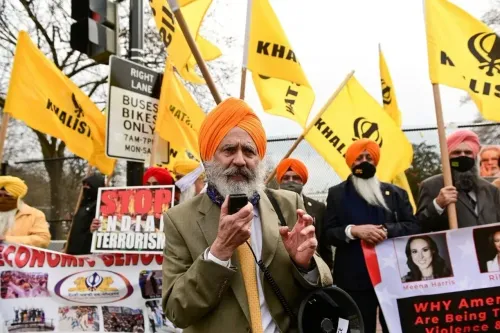
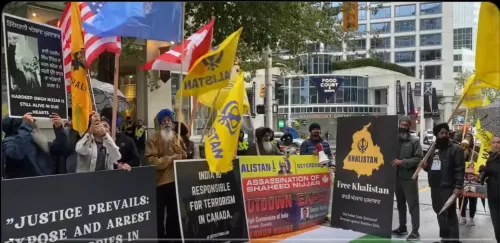
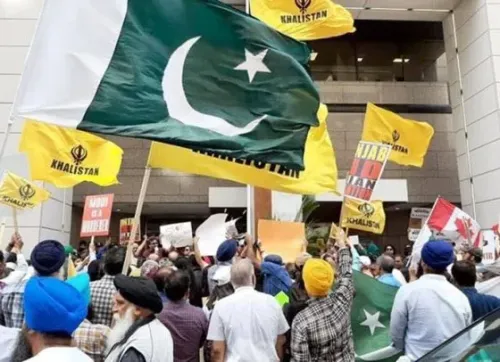
In one illustrative case, an applicant had participated in a non-binding Khalistan referendum in Auckland and joined a demonstration outside the Indian High Commission in Wellington. The tribunal characterised these activities as 'low level' and found no evidence that they had drawn the individual to the attention of authorities in India.
Legal Threshold for Refugee Status
The review makes clear that applicants must demonstrate circumstances specific to their own case and provide credible evidence of a genuine risk of persecution upon return to India. Factors the tribunal weighs include the nature and visibility of political activities, organisational affiliations, public exposure, and any documented interest from Indian authorities. Merely attending a rally or signing a petition, the rulings suggest, falls well short of that bar.
Data Gaps and the Bigger Picture
Notably, the review acknowledged the absence of comprehensive official data on the total number of Khalistan-related asylum applications lodged in New Zealand. The 40 cases examined represent only those that reached the tribunal and were made publicly available — meaning the full volume of such claims remains unclear. This caveat limits how definitive any trend assessment can be, though the unbroken run of rejections across two years is, by any measure, a significant legal development.
Point of View
However sincere, must be accompanied by evidence of state-level attention back home to qualify as persecution. What the rulings do not resolve is the data gap: with the full volume of Khalistan-linked applications in New Zealand still unknown, the 40 published cases may represent only a fraction of the picture. The 2024 grants that preceded this reversal also deserve scrutiny — if those cases set a precedent, the 2025-26 rulings appear to have quietly walked it back, raising questions about consistency in how the tribunal applies its own evidentiary standards.
NationPress
2 Sept 2026
Frequently Asked Questions
What did New Zealand's tribunal decide on Khalistan asylum cases?
New Zealand's Immigration and Protection Tribunal rejected all 40 published asylum cases linked to Khalistan support that it heard in 2025 and 2026, granting refugee status to none of the applicants. The rulings collectively establish that supporting the Khalistan cause alone is insufficient to meet New Zealand's legal standard for refugee protection.
How does this differ from the 2024 tribunal decisions?
In 2024, the tribunal granted refugee status to two applicants on Khalistan-related grounds, concluding that the visibility of their political activities could expose them to persecution in India. The 2025 and 2026 rulings have taken a stricter approach, requiring applicants to demonstrate individual, credible risk rather than general political affiliation.
Why were the 40 Khalistan asylum cases rejected?
The tribunal found that most applicants had engaged in only 'low-level' political activity — such as attending a non-binding referendum or a demonstration — and that there was insufficient evidence Indian authorities had taken any interest in them. Without proof of a genuine, individual risk of persecution, the claims did not meet the legal threshold for refugee status.
What evidence do Khalistan asylum seekers need to succeed in New Zealand?
Applicants must demonstrate circumstances specific to their individual case and provide credible evidence of a genuine risk of persecution upon return to India. The tribunal considers factors such as the nature and visibility of political activities, organisational links, public exposure, and documented interest from Indian authorities.
How many Khalistan asylum applications have been filed in New Zealand in total?
The total number of Khalistan-related asylum applications lodged in New Zealand remains unclear due to the absence of comprehensive official data. The 40 cases reviewed represent only those that reached the tribunal and were made publicly available, not all claims filed.