Khanna vs Tandon: ICE abolition, billionaire tax clash in CA-17 debate
Synopsis
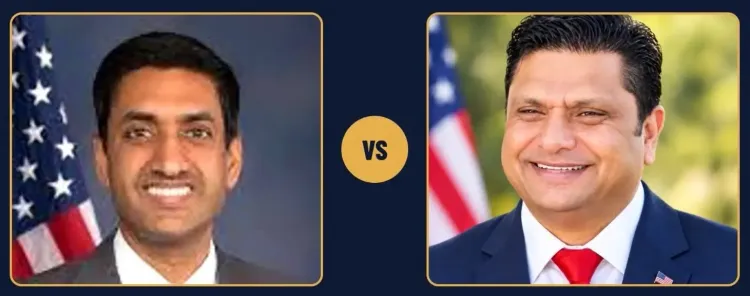
Two Indian American candidates — Democrat Ro Khanna and Republican Ritesh Tandon — faced off in a 50-minute Silicon Valley Congressional debate, clashing on abolishing ICE, ending per-country green card caps, and a 5% billionaire tax. With a $17 million-to-$58,000 fundraising gulf and a November 3 election days away, the debate laid bare one of the sharpest ideological contrasts in any US House race this cycle.
Key Takeaways
Ro Khanna called for abolishing ICE , describing it as 'a rogue agency', in a 50-minute online debate on Wednesday evening .
Ritesh Tandon backed ending the per-country cap on green cards, noting over 1.2 million people are stuck in the employment-based backlog.
Khanna defended a 5 per cent billionaire tax; Tandon argued it taxes paper wealth and is driving residents out of California.
Tandon raised $58,000 against Khanna's $17 million war chest — a disparity Tandon raised directly in his closing statement.
Khanna won the June primary with roughly 62 per cent of the vote; the general election is on 3 November .
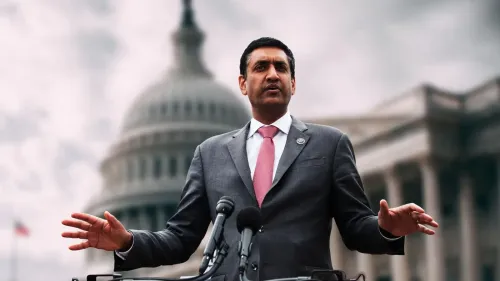
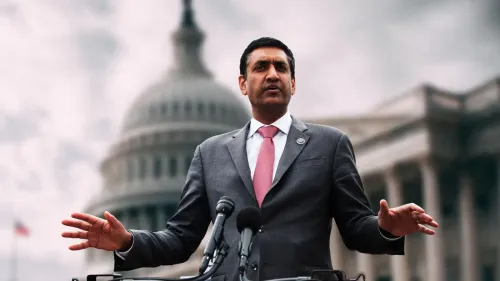
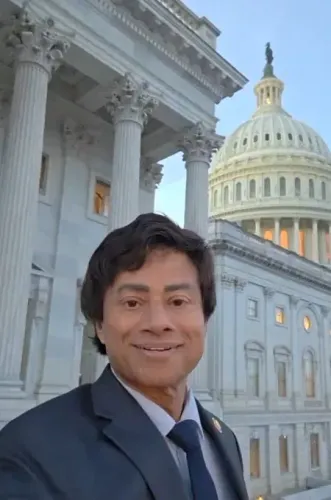
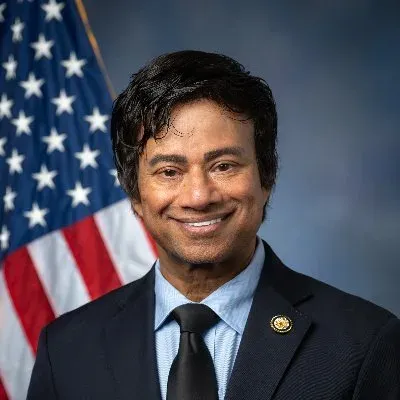
Democratic Congressman Ro Khanna and Republican challenger Ritesh Tandon — both Indian Americans — squared off on Wednesday evening in a roughly 50-minute online forum for California's 17th Congressional District, trading sharp disagreements on immigration enforcement, green card backlogs, and a proposed billionaire tax. The debate, streamed live on Tandon's campaign YouTube channel, comes ahead of the November 3 election.
The Immigration Fault Line
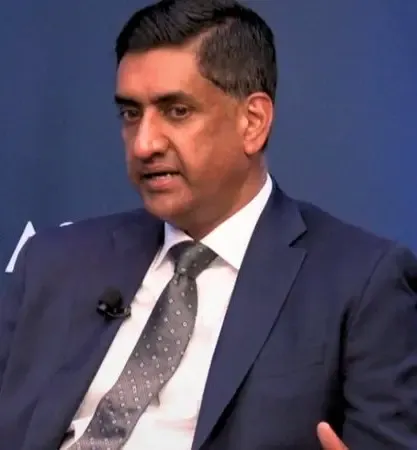
The sharpest divide of the night centred on immigration. Khanna opened with an unequivocal call: 'I would abolish ICE.' He described US Immigration and Customs Enforcement as 'a rogue agency' and said it should be replaced by something closer to the former Immigration and Naturalization Service — 'under the Justice Department, humane, focusing on going after sex traffickers, criminals.' He also called for 'finding pathways of green cards for people who are studying here and starting businesses here and creating companies here.'
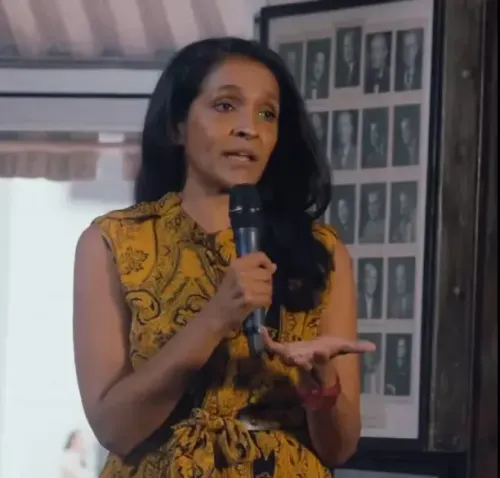
Tandon, who immigrated to the United States from India at the age of 28, took a contrasting position rooted in personal experience. 'I followed all the rules and waited my turn,' he said, adding that more than 1.2 million people are currently stuck in the green card backlog. He accused Khanna of inaction: 'My opponent has been in the Congress for almost 10 years. And the line has only grown longer.'
Tandon's immigration agenda centred on eliminating the per-country cap on employment-based green cards — a long-running grievance for Indian professionals, who face the longest queues of any nationality — and recapturing unused green cards. He also backed stopping what he called 'H-1B visa abuse', supported voter ID requirements, and said illegal border crossing should be classified as a felony.
Billionaire Tax and the Silicon Valley Economy
On fiscal policy, Khanna defended a proposed 5 per cent levy on billionaires. 'The question is why is this economy only working for a few billionaires?' he said. 'We need a new social contract in America that privileges the working and middle class.'
Tandon pushed back, arguing the proposal 'taxes the paper wealth, not the income', and contended that companies and residents were already leaving California. Khanna countered that the AI industry's gravitational centre remained fixed: 'No one thinks the AI revolution is happening in Austin or Miami. It's happening in Silicon Valley.'
Accusations of a Far-Left Drift
Tandon accused Khanna of pulling the Democratic Party toward the ideological fringe. 'The Democratic socialist America are putting it on the far left, and I'm afraid it is taking the America down the road of Venezuela,' he said, citing Khanna's reported endorsement of a Democratic socialist candidate for Mayor of New York.
Khanna opened the debate by crediting his opponent for the format itself, saying he appreciated 'the civil way he has conducted himself in the past few years' and calling contested debate 'absolutely critical to democracy.' He closed with a unifying note: 'Ultimately, we're all Americans, and we have to come together.'
Fundraising Gap and Term-Limit Pledge
In his closing remarks, Tandon highlighted a significant fundraising disparity. 'I raised only $58,000 and you have $17 million in your account,' he told Khanna. Despite the gap, Tandon pledged to serve no more than three terms if elected and backed a ban on stock trading that would extend to family trusts — a proposal that has gained traction in Congress reform discussions.
Notably, Khanna won the June top-two primary with approximately 62 per cent of the vote against Tandon's roughly 15 per cent. With both candidates advancing to the general ballot, voters in California's 17th District — home to much of Silicon Valley — will cast their final verdict on 3 November.
Point of View
He is betting that Indian American economic grievances — not cultural conservatism — are the more powerful mobiliser. The $17 million-to-$58,000 fundraising chasm makes a Tandon upset almost arithmetically impossible, but the debate's real significance is as a preview of the arguments that will define this constituency for years.
NationPress
29 Oct 2026
Frequently Asked Questions
What did Ro Khanna say about ICE in the California debate?
Ro Khanna said he would abolish ICE, calling it 'a rogue agency', and proposed replacing it with a department akin to the former Immigration and Naturalization Service — one focused on prosecuting criminals and sex traffickers rather than broad enforcement. He also called for clearer pathways to green cards for students and entrepreneurs.
What is Ritesh Tandon's position on the green card backlog?
Ritesh Tandon wants to end the per-country cap on employment-based green cards, which disproportionately affects Indian nationals, and recapture unused green cards. He noted that more than 1.2 million people are stuck in the backlog, and said the queue had only grown during Khanna's nearly 10 years in Congress.
What is the billionaire tax proposal Ro Khanna defended?
Khanna backed a 5 per cent levy on billionaires, arguing it is needed to build a new social contract favouring working and middle-class Americans. Tandon opposed it, contending the tax hits unrealised or paper wealth rather than income, and is accelerating an exodus of companies and residents from California.
When is the California 17th District election and what were the primary results?
The general election for California's 17th Congressional District is on 3 November. In the June top-two primary, Ro Khanna received approximately 62 per cent of the vote while Ritesh Tandon received roughly 15 per cent — both advancing to the general ballot.
How large is the fundraising gap between Khanna and Tandon?
Ritesh Tandon disclosed during the debate that he had raised $58,000 compared to Ro Khanna's $17 million war chest. Tandon raised the disparity himself in his closing statement, pledging to serve no more than three terms and backing a stock-trading ban covering family trusts.