South Korea's first lady Kim Hea Kyung urges Korean adoptees to reconnect with homeland
Synopsis
South Korea's first lady Kim Hea Kyung used the IKAA's Seoul gathering to call on Korean adoptees worldwide to grow closer to their roots — while IKAA President Tommy Gentzel pushed back, insisting that genuine reconciliation requires acknowledging adoptee suffering and funding DNA-based family searches. The event surfaces the unresolved human cost of decades of overseas adoptions.
Key Takeaways
First Lady Kim Hea Kyung addressed the IKAA opening ceremony in Seoul on 19 October 2026 , urging Korean adoptees to reconnect with their homeland.
IKAA President Tommy Gentzel called on South Korea and institutions to acknowledge adoptee suffering and fund resources including DNA testing to help reunite adoptees with biological families.
South Korea's Prime Minister Han Seong-sook pledged efforts to resume inter-Korean dialogue and achieve peaceful coexistence between Seoul and Pyongyang .
Han described inter-Korean division as a 'reality' and the suffering of displaced and separated families as 'ongoing.' South Korea is home to one of the world's largest overseas adoption populations, with tens of thousands adopted abroad since the mid-20th century.
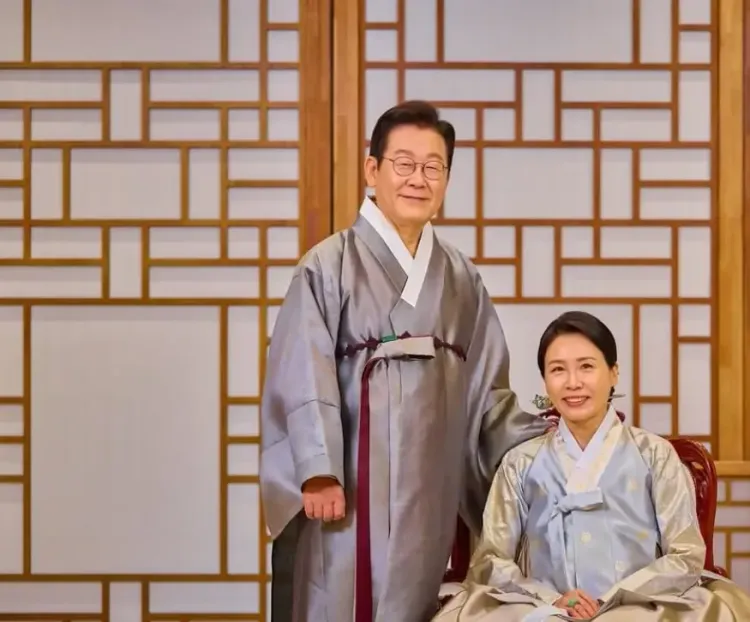
South Korea's first lady Kim Hea Kyung on Monday, 19 October 2026, expressed hope that Koreans adopted overseas would grow closer to their motherland and carry lasting memories of it. She made the remarks at the opening ceremony of a Seoul gathering organised by the International Korean Adoptee Associations (IKAA), which brought together Korean adoptees from across the world to forge connections and build community.
First Lady's Message to Adoptees
'South Korea may be viewed differently by each of you. To some, it may be a foreign country. To others it may be a homeland long longed for,' Kim said in her address. 'It may also be a place you are visiting with many questions in search of your roots and identity.'
Kim expressed hope that adoptees would use the gathering as an opportunity to deepen their bond with the country. 'No matter how you came, I hope that you can grow closer to the homeland and create valuable new connections on this occasion,' she said, also encouraging visitors to experience South Korea's autumn season, cuisine, and other cultural attractions. 'I wish that the vibe, allure and beauty of the motherland will stay in your memories for a long time,' she added.
IKAA President Calls for Reconciliation and Support
IKAA President Tommy Gentzel stressed that relations between Korean adoptees and South Korea hold 'unlimited potential.' However, he noted that for this potential to be realised, the sufferings of Korean adoptees must first be acknowledged and steps toward reconciliation taken.
Gentzel called on South Korea and relevant institutions to provide resources and assistance — including support for DNA testing — to help adoptees locate their biological families. His remarks underscored the complex emotional and administrative challenges many adoptees face when attempting to reconnect with their origins.
Prime Minister Han on Inter-Korean Dialogue
Separately, on Sunday, South Korea's Prime Minister Han Seong-sook said the government would strive to lay the groundwork for resuming dialogue between Seoul and Pyongyang. She made the remarks at a presidential sporting competition in Seoul for displaced North Korean residents.
'Efforts will be made to open the door for dialogue between South Korea and North Korea and to hold talks on peace and joint prosperity,' Han said. She acknowledged inter-Korean division as a 'reality,' calling the pains of displaced residents and separated families 'ongoing.' 'Our efforts to open the road to peaceful coexistence of South Korea and North Korea cannot stop,' the prime minister said, thanking participants for their contributions to South Korea's economic development and democratisation.
Broader Context
South Korea has one of the world's largest overseas adoption populations, with tens of thousands of Koreans having been adopted abroad since the mid-20th century — many to the United States and European countries. The IKAA gathering in Seoul reflects a growing global movement among adoptees to reconnect with their cultural heritage and, in some cases, seek out biological relatives. The event comes at a time when South Korea is also grappling with questions of identity, reconciliation with its divided north, and the long-term welfare of citizens who grew up outside its borders.
Point of View
And the country's reluctance to formally reckon with that legacy leaves adoptees navigating identity questions largely on their own. The push for DNA-assisted family reunions is a practical, achievable step, but it requires funding and political will that successive governments have so far offered only rhetorically. Until reconciliation moves from ceremony to policy, gatherings like this risk being more symbolic than transformative.
NationPress
19 Oct 2026
Frequently Asked Questions
What did South Korea's first lady say at the IKAA gathering in Seoul?
First Lady Kim Hea Kyung spoke at the opening ceremony of the International Korean Adoptee Associations (IKAA) gathering in Seoul on 19 October, expressing hope that Korean adoptees from around the world would grow closer to their homeland and carry fond memories of it. She invited attendees to experience South Korea's culture, cuisine, and autumn scenery.
What is the IKAA and why did it meet in Seoul?
The International Korean Adoptee Associations (IKAA) is an umbrella organisation representing Koreans adopted overseas. Its Seoul gathering brings together adoptees from across the world to connect, build community, and engage with their country of origin. The event also serves as a platform to raise issues around identity, reconciliation, and access to biological family records.
What did IKAA President Tommy Gentzel demand from South Korea?
IKAA President Tommy Gentzel called on South Korea and relevant institutions to formally acknowledge the sufferings of Korean adoptees and take concrete steps toward reconciliation. He specifically urged the provision of resources — including DNA testing support — to help adoptees trace and reunite with their biological families.
What did Prime Minister Han Seong-sook say about North Korea?
Prime Minister Han Seong-sook, speaking at a Seoul sporting event for displaced North Korean residents on Sunday, pledged that her government would work to resume dialogue between Seoul and Pyongyang and pursue peaceful coexistence. She described inter-Korean division as a 'reality' and called the pain of separated families 'ongoing.'
Why does the overseas Korean adoptee issue matter for South Korea?
South Korea facilitated tens of thousands of overseas adoptions from the mid-20th century onward, creating one of the world's largest diaspora communities of international adoptees. Many now seek to reconnect with their biological roots, raising questions of state responsibility, identity rights, and access to records — issues that successive South Korean governments have only partially addressed.