CM Vishnu Deo Sai joins Navratri celebrations in Raipur
Synopsis
Chhattisgarh Chief Minister Vishnu Deo Sai joined the 'Sorath Rang Rangilo' Navratri festival in Raipur on 19 October 2026, offering prayers to Maa Adishakti and invoking the state's cultural 'Mahtari' identity while wishing peace and prosperity for Chhattisgarh.
Key Takeaways
CM Vishnu Deo Sai attended the 'Sorath Rang Rangilo' Navratri festival in Raipur on 19 October 2026 .
He offered prayers to Maa Adishakti and publicly prayed for happiness, peace, and prosperity in Chhattisgarh .
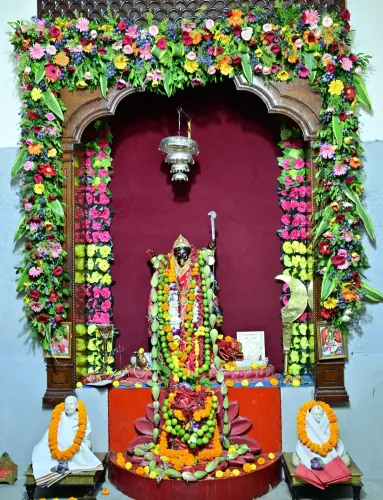
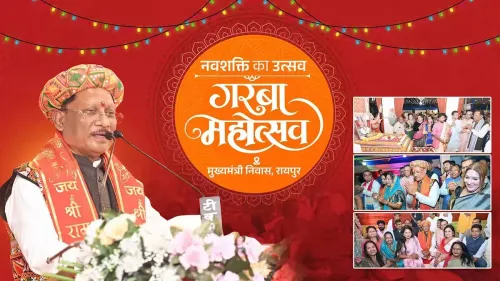
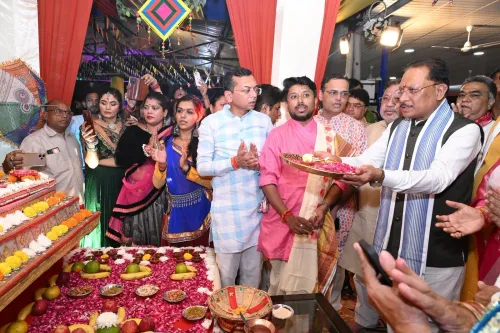
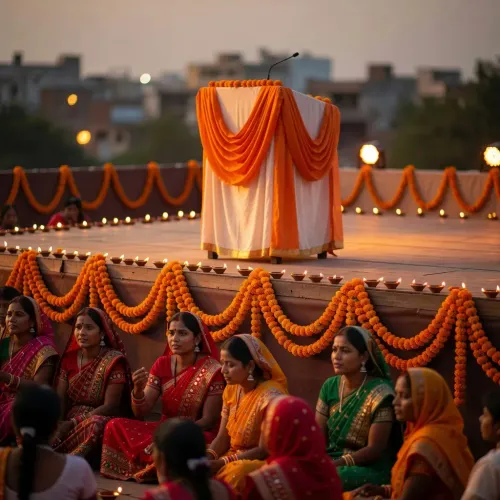
The post was accompanied by four photographs from the festive event.
Hashtags #महतारी_का_सम्मान and #महतारी_के_मान connect the religious occasion to the state's distinct Mahtari (mother) cultural identity.
The participation follows a standard pattern of Indian chief ministers engaging with major religious festivals in their state capitals.
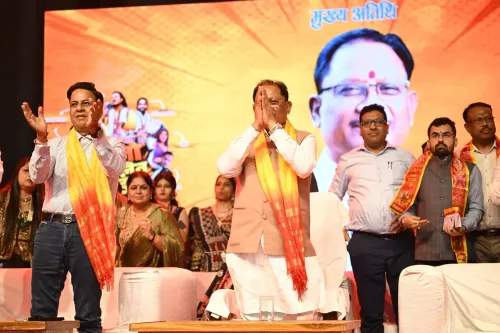
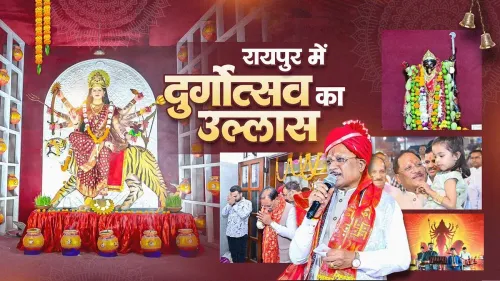
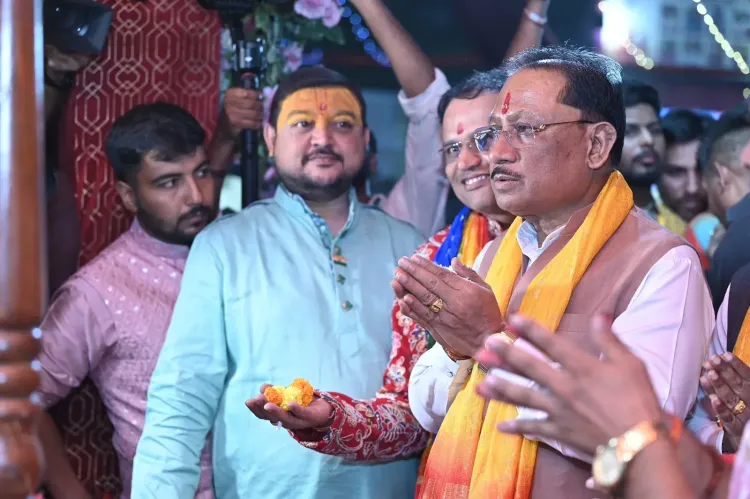
Devotion, colour, and a public prayer for Chhattisgarh — Chief Minister Vishnu Deo Sai stepped into the festive heart of Raipur on Monday, 19 October 2026, joining the 'Sorath Rang Rangilo' ('Colourful Sorathi Celebrations') Navratri festival to offer worship to Maa Adishakti and share in the joy of the season.
Posting on X, CM Sai wrote: 'On the auspicious occasion of Shardiya Navratri, I participated in the 'Sorath Rang Rangilo' Navratri festival organised in Raipur, offered prayers to Maa Adishakti, and shared the festive spirit. I pray to Maa Adishakti that by her grace, the light of happiness, peace, and prosperity may always remain in Chhattisgarh.' The post carried the hashtags #CGNavratri2026 and #महतारी_का_सम्मान — the latter translating roughly to 'Respect for the Mother', a recurring cultural theme in Chhattisgarhi public life.
Raipur's Navratri stage and what 'Sorath Rang Rangilo' represents
Navratri, the nine-night Hindu festival dedicated to the worship of Goddess Durga in her many forms, is among the most widely observed celebrations across central India. Raipur, the state capital, has hosted organised public Navratri events in previous years, drawing large gatherings of devotees for prayer, folk performances, and community festivities. The name 'Sorath Rang Rangilo' evokes the colourful folk traditions of the Chhattisgarhi cultural belt, blending devotion with regional artistic expression.
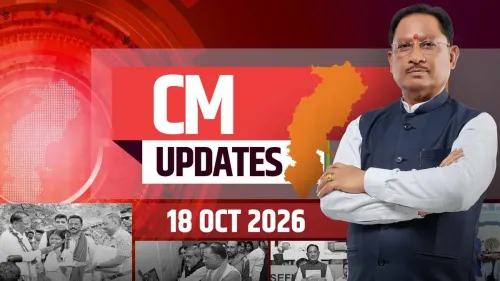
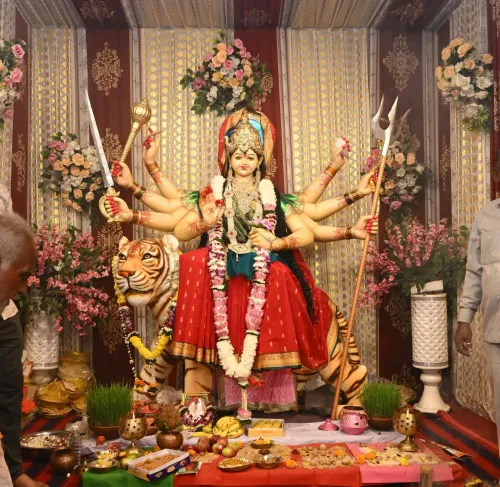
CM Sai's presence at the event fits a well-established pattern: Indian chief ministers routinely attend major religious and cultural festivals in their state capitals as a form of direct public engagement, affirming both personal faith and institutional support for local traditions. Four photographs shared alongside the post capture the festive atmosphere of the occasion.
The 'Mahtari' thread running through Chhattisgarh's political culture
The hashtag #महतारी_के_मान ('Honour of the Mother') in the post is not accidental. Mahtari — the Chhattisgarhi word for 'mother' — carries deep cultural weight in the state, and the Sai government has invoked it prominently in welfare and identity messaging. Connecting the divine mother Adishakti to the broader 'Mahtari' framework during Navratri is a deliberate cultural signal, anchoring a religious moment in the state's distinct linguistic and emotional identity.
For the state's residents, Navratri is not just a calendar festival — it is a moment of communal pause, and a chief minister sharing that pause publicly reinforces the bond between governance and lived culture in Chhattisgarh.
As the nine nights of Navratri continue, the state's cultural calendar remains in full swing — and CM Sai has made clear where he intends to be found.
Point of View
Organised Navratri event — rather than a generic temple visit — signals deliberate state-level cultural branding around Chhattisgarh's distinct folk identity. The pairing of religious devotion with the Mahtari hashtag framework suggests a consistent effort to weave welfare messaging and cultural pride into a single political narrative. For a BJP government in a state with a substantial tribal and rural population, public participation in such festivals serves as both personal faith expression and soft-power statecraft. The move is unlikely to generate controversy but reinforces the party's strategy of cultural ownership in a competitive state.
NationPress
19 Oct 2026
Frequently Asked Questions
What is the 'Sorath Rang Rangilo' Navratri festival in Raipur?
'Sorath Rang Rangilo' is an organised Navratri cultural celebration held in Raipur, Chhattisgarh, blending devotional worship of Maa Adishakti with the colourful folk traditions of the Chhattisgarhi region.
Why did CM Vishnu Deo Sai attend the Navratri event in Raipur?
CM Sai attended to offer prayers to Maa Adishakti and to participate in the public festive spirit, which is a common practice among Indian chief ministers who engage directly with major religious and cultural events in their state capitals.
What does the hashtag Mahtari ka Samman mean?
Mahtari is the Chhattisgarhi word for 'mother', and Mahtari ka Samman means 'Respect for the Mother'. The Sai government has used this term as a recurring cultural and welfare theme in Chhattisgarh.
When is Shardiya Navratri in 2026?
Shardiya Navratri in 2026 falls in October, with CM Sai's participation in the Raipur festival recorded on 19 October 2026 , during the ongoing nine-night celebrations.
What did CM Vishnu Deo Sai pray for at Navratri 2026?
CM Sai prayed to Maa Adishakti that by her grace, happiness, peace, and prosperity would always remain in Chhattisgarh.