Lahore power crisis: tripping, load shedding hit residents amid humid weather
Synopsis
Lahore residents are bearing the brunt of relentless power tripping and six-hour outages even on Sundays, with LESCO accused of ignoring complaints during peak humidity. The crisis mirrors a near-identical breakdown in Sindh's education offices just weeks earlier — pointing to a systemic failure across Pakistan's electricity distribution network, not a local anomaly.
Key Takeaways
Residents of Lahore , Pakistan , are experiencing frequent power tripping and unscheduled outages, especially during evening and night hours .
Sunday 'maintenance' shutdowns lasting over six hours have been reported across localities including Gulberg , Johar Town , and Old Anarkali .
LESCO has been criticised for failing to respond to consumer complaints despite hot and humid weather conditions.
In July , similar outages lasting nearly three weeks disrupted government education offices in Sindh province , affecting online registrations and certifications.
K-Electric also drew criticism in Sindh for inaction despite paid bills and repeated complaints from officials.
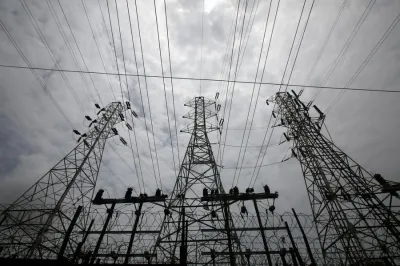
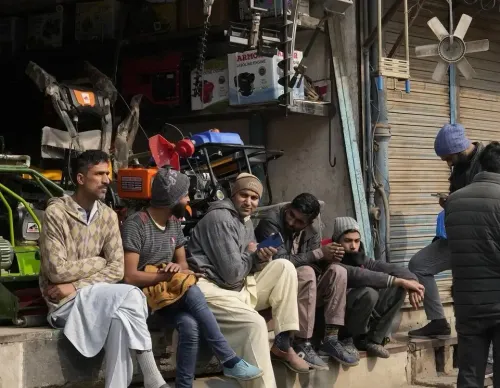
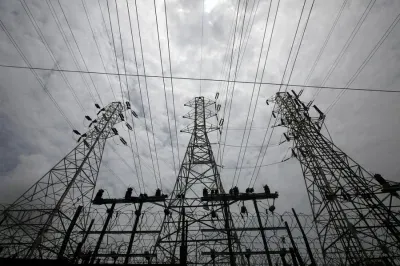
Residents of Lahore, in Pakistan's Punjab province, have been enduring severe power disruptions — including frequent tripping, scheduled load shedding, and unscheduled outages lasting over six hours — amid oppressive heat and humidity, local media reported on Monday, 24 August. The Lahore Electric Supply Company (LESCO) has come under sharp criticism for its failure to address mounting consumer complaints.
Nature of the Disruptions
According to residents, power tripping and unscheduled outages have been particularly acute during evening and night hours over the past several days. In addition to regular scheduled load shedding lasting a couple of hours, residents reported electricity shutdowns exceeding six hours on Sundays, officially attributed to 'maintenance' work.
One resident noted that such Sunday shutdowns were previously confined to working days, marking a shift in the pattern that has caught consumers off guard. Affected localities include Old Anarkali, Rehmanpura, Gulberg, Multan Road, Thokar Niaz Baig, Johar Town, Ichhra, and Chuburji.
Consumer Complaints Against LESCO
Residents have directed pointed criticism at the LESCO administration. One resident, speaking to Pakistan-based daily Dawn, described the utility's consumer service as 'pathetic,' adding that repeated outages have caused damage to household electrical appliances. Another resident accused LESCO of taking 'the least interest in resolving the issues being faced by the consumers,' despite the extreme weather conditions.
The complaints highlight a growing disconnect between the distribution company and its consumers, with residents alleging that formal grievances are going unacknowledged.
Pakistan's Wider Power Crisis
The Lahore situation is not isolated. In July, prolonged power outages lasting nearly three weeks disrupted official work, online systems, and public services at education offices across Pakistan's Sindh province, despite officials asserting that all electricity bills had been paid and repeated complaints had been lodged with K-Electric.
Offices affected included the Directorate General Colleges Sindh, Regional Directorate Government Colleges Sindh, Directorate General Private Institutions Sindh, and the Regional Directorate Private Schools Karachi. The outages disrupted computer operations, internet connectivity, and printing facilities, according to The Express Tribune.
Impact on Government Services
A Deputy Director Inspections confirmed that the power cuts had crippled modern online office systems, halting daily government work. Specifically affected were the online registration of private schools, issuance of computerised certifications, complaint handling, and college admission processes.
The most severely impacted office was reportedly the Directorate of Inspection and Registration of Private Institutions on Burns Road, where employees struggled to maintain daily operations. Officials stated that despite paid bills and repeated complaints to K-Electric, no effective remedial measures had been taken as of the time of reporting.
As Pakistan's power infrastructure continues to strain under demand pressures, the coming weeks will test whether distribution companies like LESCO and K-Electric can respond to consumer grievances before the situation worsens further.
Point of View
Not just an operational lapse. Pakistan's power sector has long operated in a cycle of circular debt, underinvestment, and blame-shifting — and until that cycle is broken at the policy level, residents in Lahore and Karachi will keep absorbing the cost.
NationPress
8 Oct 2026
Frequently Asked Questions
Why is Lahore facing power outages and load shedding?
Lahore residents are experiencing a combination of scheduled load shedding, unscheduled power tripping, and extended Sunday shutdowns attributed to 'maintenance' by LESCO. The disruptions have been particularly severe during evening and night hours amid hot and humid weather, according to reports in Pakistan-based daily Dawn.
Which areas of Lahore are most affected by the power crisis?
Reported affected localities include Old Anarkali, Rehmanpura, Gulberg, Multan Road, Thokar Niaz Baig, Johar Town, Ichhra, and Chuburji. The outages have been widespread across both older and newer residential and commercial zones.
What is LESCO and why is it being criticised?
LESCO, the Lahore Electric Supply Company, is the electricity distribution utility serving Lahore. Residents have criticised it for ignoring consumer complaints, allowing damage to home appliances, and conducting lengthy Sunday shutdowns under the guise of maintenance, despite the extreme weather.
Has Pakistan faced similar power crises recently?
Yes. In July 2024, prolonged outages lasting nearly three weeks disrupted government education offices across Sindh province, affecting online school registrations, computerised certifications, and college admissions. K-Electric, the Sindh distributor, was similarly criticised for inaction despite paid bills and repeated complaints.
What services were disrupted by power outages in Sindh?
Power cuts in Sindh affected the Directorate General Colleges Sindh, Regional Directorate Government Colleges, Directorate General Private Institutions, and Regional Directorate Private Schools Karachi. Computer systems, internet, and printing facilities were non-functional during outages, halting online registrations and official certifications.