Pakistan power shortfall crosses 4,000 MW, load-shedding intensifies across cities
Synopsis
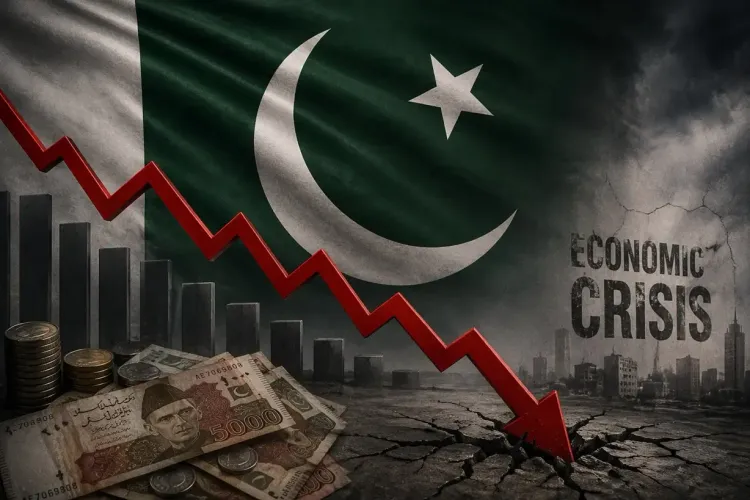
Pakistan's power shortfall has blown past 4,000 MW, with Lahore alone facing a 1,000 MW supply gap and consumers enduring multi-hour daily outages. The crisis exposes the hollowness of government assurances that shortages were under control — and it is about to get harder, with the IMF demanding electricity and gas price hikes as a condition of continued support.
Key Takeaways
Pakistan's overall power shortfall has crossed 4,000 MW , triggering intensified load-shedding nationwide.
Lahore faces a deficit of roughly 1,000 MW , with demand at 4,000 MW against supply of about 3,000 MW .
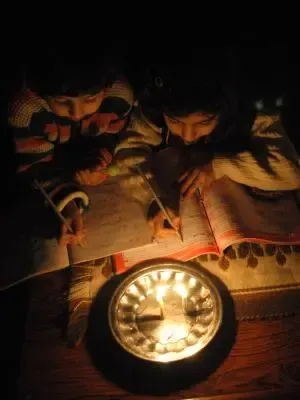
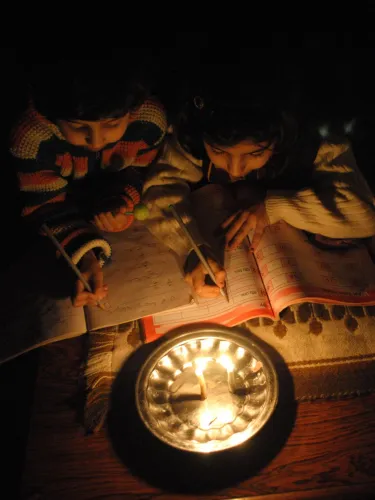
Consumers in urban and rural areas face three to four hours of daily scheduled outages, with some localities experiencing unannounced cuts.
NEPRA has directed K-Electric to immediately stop illegal unannounced load-shedding on high-loss feeders.
Diesel shortages linked to gas supply disruptions have worsened Lahore's energy situation.
The IMF has reportedly listed a commitment to raise electricity and gas prices among its 'most troubling' conditions for Pakistan.
Pakistan's electricity crisis has deepened sharply, with the country's overall power shortfall crossing 4,000 megawatts (MW), forcing distribution companies to ramp up load-shedding and leaving millions of consumers facing prolonged outages, according to reports. The crisis has reignited scrutiny of repeated government claims that the country's chronic power shortages had been brought under control.
Scale of the Shortfall
Consumers in both urban and rural areas are enduring three to four hours of scheduled power cuts daily, with outages stretching even longer in some localities without prior notice. According to reports citing ARY News, the situation is particularly acute in Lahore, where electricity demand has climbed to approximately 4,000 MW while available supply stands at roughly 3,000 MW — a deficit of around 1,000 MW in the city alone.
What Is Driving the Crisis
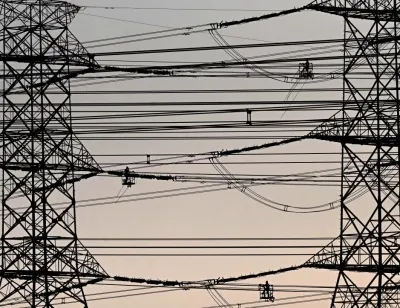
Several generation units reportedly remain offline, while hydropower production has declined, squeezing supply further. The situation in Lahore has been compounded by a diesel shortage linked to disruptions in gas availability, adding another layer of complexity to the city's energy woes. The cascading supply-demand gap is placing severe strain on an already overstretched power distribution system.
Regulator Acts Against K-Electric
The National Electric Power Regulatory Authority (NEPRA) has taken action against K-Electric (KE), directing it to immediately halt unannounced power outages. NEPRA stated that K-Electric had been imposing load-shedding on feeders based on aggregate technical and commercial (ATC) losses — a practice the regulator described as illegal.
According to reports, NEPRA maintained that 'consumers who regularly pay their electricity bills should not have their supply suspended simply because they are connected to feeders with high losses.' The regulator stressed that timely-paying consumers must not be penalised for electricity theft or failures committed by others, and called for targeted action against individual defaulters instead.
IMF Pressure Adds to Energy Burden
Pakistan's energy crisis unfolds against a difficult fiscal backdrop. The International Monetary Fund (IMF) has reportedly placed Pakistan under a set of additional conditions, among which the described 'most troubling demand' is a commitment to raise electricity and gas prices. Critics argue that any further tariff hikes, while fiscally necessary under IMF terms, will deepen the burden on consumers already reeling from prolonged outages.
What Comes Next
The combination of generation shortfalls, distribution inefficiencies, infrastructure strain, and IMF-mandated pricing pressures means Pakistan's power sector faces compounding headwinds in the near term. How swiftly offline generation units can be restored — and whether the government can address the structural gap between supply and demand — will determine the pace of any relief for consumers.
Point of View
Accumulating circular debt, and subsidised tariffs that made the sector fiscally unsustainable. The government's repeated claims of having stabilised electricity supply now look hollow against a 4,000 MW deficit. The IMF's demand for tariff hikes is technically sound but politically combustible: raising prices on consumers already enduring four-hour blackouts is a recipe for public anger. The real accountability gap lies with distribution companies like K-Electric, whose ATC-loss-based load-shedding punishes honest consumers to obscure systemic failure — and NEPRA's intervention, while welcome, comes late.
NationPress
8 Oct 2026
Frequently Asked Questions
How severe is Pakistan's current power shortfall?
Pakistan's overall power shortfall has crossed 4,000 MW, according to reports, forcing distribution companies to intensify load-shedding. Lahore alone faces a deficit of roughly 1,000 MW, with demand at about 4,000 MW against an available supply of approximately 3,000 MW.
Why is Pakistan's electricity crisis worsening right now?
Several generation units have remained offline and hydropower production has declined, squeezing supply. In Lahore, the situation has been compounded by diesel shortages linked to disruptions in gas availability, further limiting backup power options.
What action has NEPRA taken against K-Electric?
The National Electric Power Regulatory Authority (NEPRA) has directed K-Electric to immediately stop unannounced power outages, ruling that imposing load-shedding based on aggregate technical and commercial (ATC) losses is illegal. NEPRA stated that consumers who pay their bills on time must not be penalised for losses caused by others on the same feeder.
What role is the IMF playing in Pakistan's energy crisis?
The IMF has reportedly placed Pakistan under additional conditions, with a commitment to raise electricity and gas prices described as among its 'most troubling' demands. Critics argue these hikes will further burden consumers already facing prolonged daily outages.
How long are power outages lasting for Pakistani consumers?
Consumers in urban and rural areas are currently enduring three to four hours of scheduled power cuts daily, with outages stretching even longer without warning in some localities, according to reports.