CM Rekha Gupta Quotes Modi on Ending 'Free Money' Culture
Synopsis
Delhi CM Rekha Gupta amplified a candid PM Modi quote at India Mobile Congress 2026: those whose 'free earnings' have been cut, he asks, will they really love him? The remark sharpens the BJP's long-running anti-freebie political argument.
Key Takeaways
Delhi CM Rekha Gupta shared a quote from PM Narendra Modi on 8 October 2026 via her official X account.
Modi's quote directly challenges critics whose unearned benefits have been discontinued, asking if they can claim to support him.
The post was tagged with #IndiaMobileCongress and #DigitalIndia , linking the political message to the government's tech-economy showcase.
The BJP has consistently framed targeted welfare reforms against what it calls revdi sanskriti — a 'freebie culture' it says creates fiscal damage and voter dependency.
In Delhi's politically charged welfare landscape, CM Gupta's amplification of this message signals her alignment with the Modi governance model over subsidy-led politics.
A sharp political barb landed on social media on Thursday, 8 October 2026, when Delhi Chief Minister Rekha Gupta shared a pointed quote attributed to Prime Minister Narendra Modi — one that takes direct aim at those who have lost what Modi calls unearned benefits, and asks, bluntly, whether they can still claim to love him.
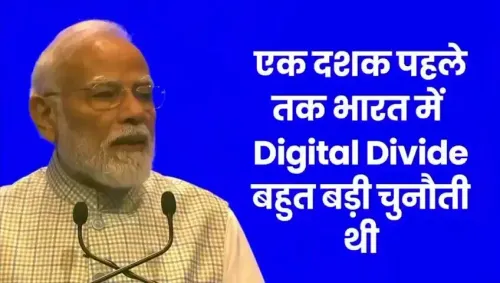
The quote, shared in Hindi alongside the hashtags #IndiaMobileCongress and #DigitalIndia, reads: 'Ab mujhe bataiye, jinki muft ki kamai band ho gayi hai, wo kya Modi ko pyaar karenge kya?' — 'Now tell me: those whose free earnings have stopped, will they love Modi?' The line carries the unmistakable cadence of a campaign stump — self-aware, combative, and designed to reframe criticism as proof of policy success.The 'Muft ki Kamai' Argument — BJP's Long-Running Anti-Freebie Frame
The phrase 'muft ki kamai' — literally 'free earnings' or unearned income — is a politically loaded formulation the BJP has deployed for several years to distinguish between what it calls productive welfare (targeted subsidies, infrastructure, skills) and what it characterises as vote-buying freebies. PM Modi has previously described the latter as a 'revdi culture' (revdi sanskriti), warning that it damages long-term fiscal health and creates dependency rather than opportunity.
The remark gains fresh context at the India Mobile Congress, one of Asia's largest technology and telecom events, where the government routinely showcases its Digital India agenda. Pairing an anti-freebie soundbite with a digital-economy backdrop is a deliberate signal: the BJP's vision of development is infrastructure and innovation, not handouts.
Why CM Rekha Gupta Amplified This Line
Rekha Gupta, who leads the BJP government in Delhi, has positioned herself squarely within the Modi governance philosophy since taking office. Delhi's political landscape has been shaped by years of intense competition over welfare politics — free electricity, free water, free bus travel — making the 'freebie vs. genuine welfare' debate particularly charged in the capital. By amplifying this Modi quote, Gupta plants a flag: her administration's loyalty is to a model of accountable, infrastructure-led governance, not subsidy dependency.
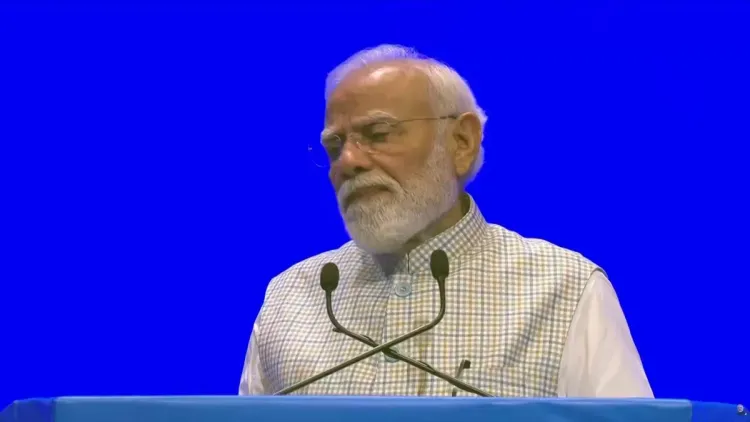
The post includes a video — the likely source of the PM's spoken words — which gives the quote the weight of a live address rather than a composed statement. That immediacy matters: it is Modi on his feet, not on a press release.
The Political Calculus of Self-Aware Unpopularity
What makes the quote rhetorically unusual is its candour. Modi is not claiming universal popularity — he is acknowledging that dismantling entrenched benefit streams will make enemies, and then daring his critics to identify themselves by their grievance. It is a confidence play: if you are angry, it is because the gravy train stopped. The line converts opposition into evidence of effectiveness. For a party facing competitive state elections across a crowded political calendar, that framing is both a defence and an offence — simultaneously justifying reform and branding dissenters as beneficiaries of a broken old order.
Whether voters in Delhi and beyond buy the argument — or decide the 'free earnings' being cut were benefits they actually needed — is the question the BJP is betting its next cycle on.Point of View
Don't demand it.' For Delhi specifically, where the previous government built its electoral base on free utilities, Gupta's endorsement of this framing is a direct ideological counter-offer to voters. The deeper strategic question is whether reframing beneficiaries as 'freeloaders' wins over a middle class tired of subsidy-funded deficits — or alienates a working-class base that experienced those benefits as genuine relief.
NationPress
8 Oct 2026
Frequently Asked Questions
What did PM Modi say about freebies at India Mobile Congress 2026?
PM Modi was quoted by Delhi CM Rekha Gupta saying those whose 'free earnings' have been stopped will not love him — openly acknowledging that ending unearned benefits creates political opponents, and framing that opposition as proof of reform.
What is 'revdi sanskriti' and why does BJP oppose it?
The BJP uses the term 'revdi sanskriti' (freebie culture) to describe electoral promises of free goods and services that it argues strain state finances and create voter dependency rather than sustainable development.
Why did Delhi CM Rekha Gupta share this Modi quote?
Rekha Gupta shared the quote to align her administration with the Modi governance philosophy and to stake out a position in Delhi's ongoing debate over welfare spending versus infrastructure-led development.
What is India Mobile Congress and what does it have to do with Digital India?
India Mobile Congress is one of Asia's largest technology and telecom industry events, used by the government as a flagship platform to showcase Digital India initiatives, connectivity goals, and tech-economy ambitions.
Is Modi saying he does not care about popularity?
The quote is a confidence-play: Modi acknowledges that reform creates critics, but frames those critics as people who benefited from a system he is dismantling — implying popularity built on freebies is not the kind of popularity he seeks.