Bangladesh measles outbreak: 32,000 cases, 250 deaths linked to vaccine procurement halt
Synopsis
Over 32,000 suspected measles cases and 250 deaths — mostly children — have been recorded in Bangladesh since mid-March, in an outbreak traced directly to the interim government's abrupt halt of UNICEF vaccine procurement in September 2025. With the epidemic now spanning 58 of 64 districts and a legal complaint filed with the Anti-Corruption Commission, this is a preventable public health disaster unfolding in slow motion.
Key Takeaways
Bangladesh has recorded over 32,000 suspected measles cases and more than 250 deaths , mostly children, since mid-March 2026 .
The interim government halted UNICEF vaccine procurement in September 2025 , switching to a delayed open tender process that caused critical supply shortages.
The outbreak began in Rohingya refugee camps near the Myanmar border in January 2026 and has spread to 58 of 64 districts , with over 21,000 hospitalisations .
Only 59 per cent of eligible children were vaccinated in 2025 — far below the 95 per cent threshold needed to halt measles transmission.
Failures in vitamin A distribution since 2024 further weakened children's immunity, according to former IEDCR scientist ASM Alamgir .
A formal corruption complaint has been filed with Bangladesh's Anti-Corruption Commission by lawyer Biplob Kumar Das .
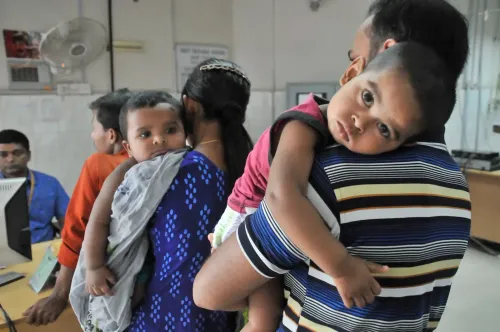
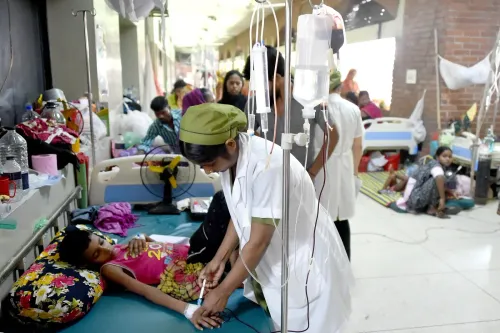
Bangladesh's measles outbreak has escalated sharply, with over 32,000 suspected cases and more than 250 deaths — predominantly among children — recorded since mid-March 2026, according to a report by Bangladeshi publication The Daily Star, citing findings from Science.org. Public health experts and a legal complaint before Bangladesh's Anti-Corruption Commission have squarely blamed the crisis on the interim government's decision to suspend vaccine procurement through UNICEF in September 2025.
How the Procurement Failure Triggered the Crisis
For years, Bangladesh had relied on UNICEF to supply measles-rubella vaccines, funded primarily by Gavi with government co-contributions. In September 2025, the interim government abruptly halted this arrangement, switching instead to an open tender process. That process subsequently stalled amid bureaucratic delays, causing a critical shortage of vaccine supplies and causing routine immunisation to collapse.
Experts had warned well in advance that abandoning the established procurement channel would disrupt immunisation schedules and risk an outbreak. Those warnings went unheeded. Government data — later removed from official websites — showed that only 59 per cent of eligible children received measles vaccines in 2025, far below the 95 per cent coverage threshold required to interrupt measles transmission.
Scale of the Outbreak
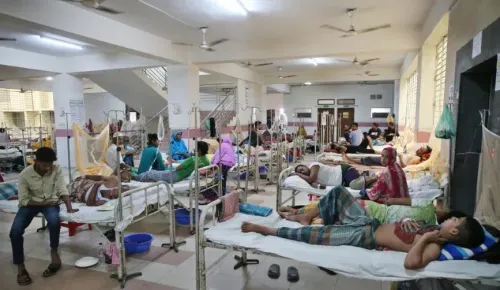
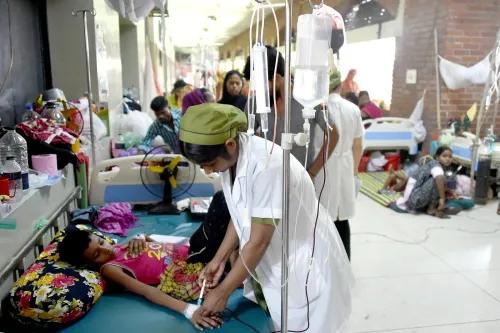
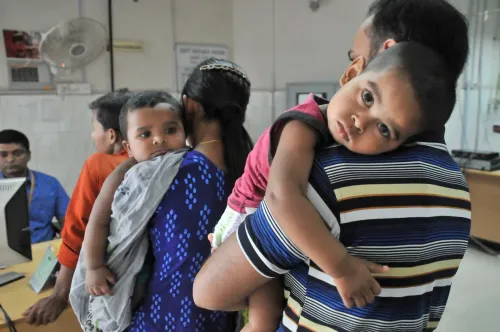
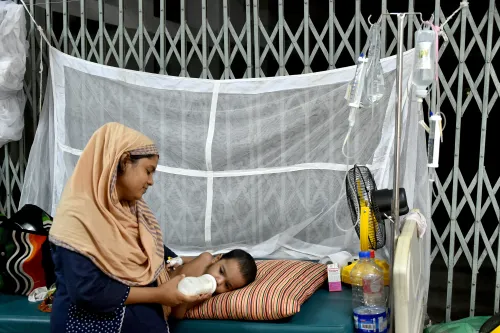
The epidemic originated in January 2026 in Rohingya refugee camps near the Myanmar border and has since spread to 58 of Bangladesh's 64 districts. Over 21,000 hospitalisations have been recorded, straining an already under-resourced public health system. The rapid geographic spread reflects both the high transmissibility of measles and the depth of the immunisation gap.
Bangladesh's own 2023 Coverage Evaluation Survey had flagged a warning trend: first-dose measles-rubella coverage had already fallen to 86 per cent in 2023 from 88.6 per cent in 2019, while second-dose coverage dropped to 80.7 per cent from 89 per cent over the same period. The procurement halt widened that gap further at the worst possible moment.
Weakened Immunity and Vitamin A Failures
The crisis has been compounded by failures in vitamin A distribution campaigns since 2024, which have further undermined children's immunity, according to ASM Alamgir, former principal scientist at the Institute of Epidemiology, Disease Control and Research (IEDCR). Vitamin A deficiency is a well-established risk factor for severe measles outcomes, and its absence amplifies both the likelihood of infection and the severity of cases.
Government Response and Expert Prognosis
Bangladesh reinstated vaccine procurement through UNICEF in April 2026 and launched an emergency vaccination drive. However, Be-nazir Ahmed, former director of disease control at the Directorate General of Health Services (DGHS), cautioned that the epidemic is unlikely to be quickly contained given the speed of transmission already underway.
On the accountability front, Supreme Court lawyer Biplob Kumar Das has filed a formal complaint with Bangladesh's Anti-Corruption Commission, alleging corruption and systemic procurement failures under the interim government. The removal of vaccination coverage data from official government websites has drawn additional scrutiny from health advocates.
What Comes Next
Containing the outbreak will require sustained emergency vaccination, restoration of routine immunisation infrastructure, and transparent reporting of coverage data. The broader lesson — that disrupting a functional vaccine supply chain, even briefly, can have catastrophic consequences for the most vulnerable — will likely inform public health policy reviews across the region.
Point of View
Despite expert warnings, compressed an already declining immunisation baseline into outright catastrophe. What makes this harder to excuse is the timeline: coverage data showing only 59 per cent vaccination was quietly removed from official websites rather than triggering an emergency response. Bangladesh's interim government will face sustained scrutiny not just for the procurement failure but for the transparency failures that followed — and the Anti-Corruption Commission complaint ensures this does not quietly fade.
NationPress
8 Oct 2026
Frequently Asked Questions
What caused the measles outbreak in Bangladesh in 2026?
The outbreak is primarily attributed to the interim government's decision in September 2025 to halt measles-rubella vaccine procurement through UNICEF and switch to an open tender process that stalled amid bureaucratic delays. This caused routine immunisation to collapse, with only 59 per cent of eligible children vaccinated in 2025 — well below the 95 per cent coverage needed to prevent transmission.
How severe is the Bangladesh measles outbreak?
As of October 2026, Bangladesh has recorded over 32,000 suspected measles cases and more than 250 deaths, mostly among children, since mid-March. The outbreak has spread to 58 of the country's 64 districts and caused over 21,000 hospitalisations.
Where did the Bangladesh measles outbreak begin?
The outbreak began in January 2026 in Rohingya refugee camps near the Myanmar border, where population density and pre-existing immunisation gaps created conditions for rapid spread. It has since expanded across 58 of Bangladesh's 64 districts.
Has the Bangladesh government taken any corrective action?
Bangladesh reinstated vaccine procurement through UNICEF in April 2026 and launched an emergency vaccination drive. However, experts warn the epidemic is unlikely to be quickly contained given how rapidly the virus has already spread across the country.
Is anyone being held accountable for the vaccine procurement failure?
Supreme Court lawyer Biplob Kumar Das has filed a complaint with Bangladesh's Anti-Corruption Commission alleging corruption and procurement failures under the interim government. Separately, the removal of vaccination coverage data from official government websites has drawn criticism from health advocates.