Lahore teen held after Claude AI chats flag alleged blast plan
Synopsis
An AI chat triggered an arrest across borders. Anthropic and the FBI flagged a 17-year-old's alleged Claude conversations about making explosives and attacking a college to Pakistani authorities. The NCCIA arrested the Lahore teen, though a search of his home found no explosives, chemicals or weapons.
Key Takeaways
A 17-year-old first-year college student was arrested from his home on Bedian Road, Lahore , by Pakistan's NCCIA .
The FBI and Anthropic , maker of Claude , reportedly alerted Pakistani authorities to his chatbot conversations.
He allegedly asked how to make an explosive at home and mentioned attacking a government college in Lahore.
A search of his home found no chemicals, weapons or explosives ; his electronic devices have been seized for examination.
A case has been registered under the Prevention of Electronic Crimes Act, 2016 , and the Pakistan Penal Code .
SATP data shows 11 attacks on educational institutions in Khyber Pakhtunkhwa in 2026, up to 14 June , with 13 deaths.
A 17-year-old college student in Lahore, Pakistan, has been arrested after his conversations with the AI chatbot Claude allegedly revealed plans to build an explosive device and attack an educational institution. The arrest was reported on 26 November 2026, citing Pakistan's National Cyber Crime Investigation Agency (NCCIA). According to the report, the US Federal Bureau of Investigation (FBI) and Anthropic, the American company that makes Claude, alerted Pakistani authorities to the chats.
Key Developments in the Lahore Case
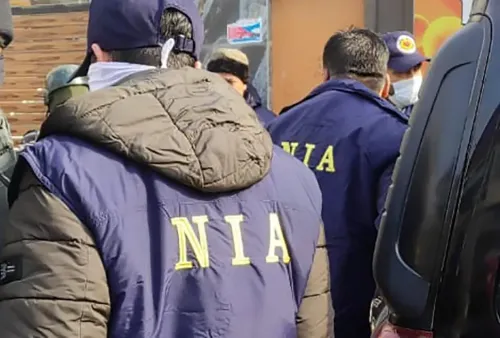
NCCIA officers arrested the teenager, a first-year student at a local college, at his home on Bedian Road in Lahore. Page 3 News reported that the arrest followed information shared by the FBI and Anthropic about the boy's exchanges with the chatbot.
Investigators said the boy had asked the chatbot how to make an explosive device at home using chemicals. He allegedly mentioned attacking a government college in Lahore. Investigators also said he spoke about a possible attack in a casual manner, including during a conversation about having coffee.
What the NCCIA Said
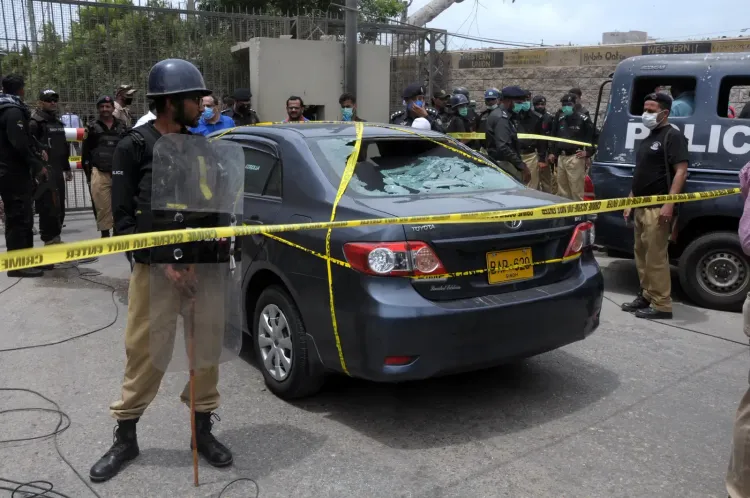
NCCIA Lahore's Additional Director Atif Ameer said the agency arrested the teenager after receiving information about his online conversation. Investigators then searched the boy's home. According to Page 3 News, they found no chemicals, weapons, explosives or devices that could be used in an attack.
The agency has seized electronic devices from the home. These are being examined to establish the nature of the conversations, his wider online activity and anyone he may have been in contact with.
A case has been registered against the 17-year-old under Pakistan's Prevention of Electronic Crimes Act, 2016, and the Pakistan Penal Code.
Psychological Assessment and Possible Motives
The cybercrime agency said psychologists have been examining the teenager. Their assessment is meant to help investigators understand his mindset and what may have led him to plan an explosive and target an educational institution.
Investigators are looking at whether he was in a dispute with his college, classmates or teachers. They are also examining whether his interest in violent material online played a part. Officials have not publicly stated a motive.
Rising Attacks on Educational Institutions in Pakistan
The case comes amid concern over violence against schools and colleges in Pakistan. The South Asia Terrorism Portal (SATP) released a report in June, covering the period up to 14 June. It recorded 11 attacks on educational institutions in Khyber Pakhtunkhwa in 2026, in which 13 people died.
During the same period in 2025, only one such attack was reported in the province, injuring three children. A report in Eurasia Review said a total of 11 attacks were reported in Khyber Pakhtunkhwa in 2025, in which three people were injured. The SATP data points to rising terrorist violence aimed at educational institutions.
Why the Case Matters
The Lahore arrest is a notable example of AI chatbot conversations being flagged across borders. Information reportedly passed from a US technology company and a US federal agency to a South Asian law enforcement body. The case raises questions about how AI platforms detect possible threats, how they share that information with authorities, and how investigators should weigh online statements when no physical evidence has been found.
The forensic examination of the seized devices and the psychologists' findings are expected to decide the next steps in the case against the teenager.
Point of View
Not an informant or intercepted call, reportedly started a cross-border law enforcement chain from a US company to the FBI to Pakistan's cyber agency. The arrest came even though the home search found no chemicals, weapons or devices. That makes the forensic and psychological findings central to whether this was a real plot or troubling talk by a teenager. Tech platforms flagging genuine threats can save lives, but the process needs transparency on thresholds, data-sharing and due process, especially when a minor is involved. With attacks on educational institutions rising sharply in Khyber Pakhtunkhwa, authorities' caution is understandable, but caution must not become a substitute for evidence.
NationPress
26 Nov 2026
Frequently Asked Questions
Why was a 17-year-old arrested in Lahore?
He was arrested by Pakistan's NCCIA after his conversations with the AI chatbot Claude allegedly revealed plans to make an explosive device and attack an educational institution. He reportedly mentioned targeting a government college in Lahore.
Who alerted Pakistani authorities about the Claude AI conversations?
According to reports, the US Federal Bureau of Investigation (FBI) and Anthropic, the American company that makes Claude, informed Pakistani authorities about the teenager's conversations with the chatbot.
Were any explosives found at the teenager's home?
No. NCCIA investigators who searched his home did not find any chemicals, weapons, explosives or devices that could be used in an attack. His electronic devices have been seized for forensic examination.
What charges does the Lahore teenager face?
A case has been registered against him under Pakistan's Prevention of Electronic Crimes Act, 2016, and the Pakistan Penal Code. Psychologists are also assessing him to help investigators understand his mindset.
How common are attacks on educational institutions in Pakistan?
SATP data compiled up to 14 June shows 11 attacks on educational institutions in Khyber Pakhtunkhwa in 2026, in which 13 people died. During the same period in 2025, only one such attack was reported in the province.